Simcenter simulation and testing solutions help engineering departments simulate, optimize and verify critical performance aspects of complex products. Simcenter uniquely combines system simulation, 3D CAE and test.
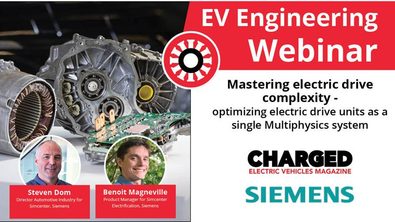
The best motor doesn’t always make the best electric drive. Learn how a system-level approach leads to smarter engineering decisions.
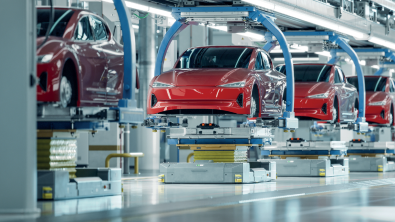
A lighter component can support efficiency targets, reduce material usage and help teams move toward more refined designs. For a long time, that made mass reduction the natural objective.But is that still enough?
Simcenter 3D: The Latest, is updated in the last week of each month to keep you up to date with the latest news on Simcenter 3D and related mechanical solutions.
Siemens DISW is a partner in the project DOME 4.0 aiming to realize a digital platform for connecting materials data sources to data users.
Learn how to optimize your shaker table for vibration testing and make the fixture resonance free over the test frequency range of interest.
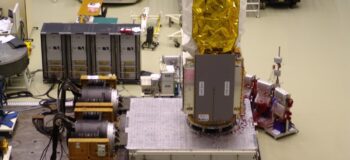
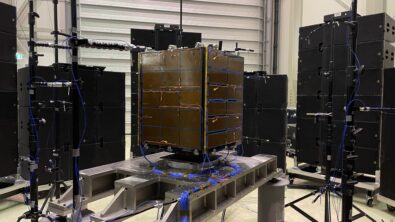
Read about spacecraft acoustic testing, satellite testing, dynamic environmental testing, and other space-related physical tests here.
Any idea what tower bells have in common with Siemens? There are at least 3 links, so please keep reading…
Meet Simcenter Engineering and Consulting Services’ vehicle energy management (VEM) driving robot. The driving robot was developed to address the testing and simulation communities’ needs to get the most accurate and repeatable testing possible.
Organizations and industries around the world are increasingly turning to digital twin technology to develop and implement more sustainable products, processes, and workflows.
A digital twin is a digital representation of a real-world physical product, system, or process that serves as its virtually indistinguishable digital counterpart for practical purposes.
Join the webinar “Space CAE and hardware qualification” and learn about solutions for mechanical qualification testing and innovative acoustic testing techniques.
Did you know 71% of businesses began investing in digital twin technology within the past year? 11% will adopt it within six months. But why is this happening? Find out in this infographic that explores the reasons behind the high digital twin adoption rates.