Electric drive engineering: when optimizing one thing changes everything
The electric vehicle market has grown up. Manufacturers are under increasing pressure to deliver higher performance at lower cost, shorten development cycles and bring new vehicle platforms to market faster than ever before. As a consequence, some of the most important decisions in electric drive engineering are made long before the first prototype exists. Motor architectures, inverter sizing, cooling concepts, transmission layouts and control strategies all shape vehicle performance, efficiency, NVH, reliability and cost.
The challenge is that these decisions are no longer independent. Extending vehicle range may require trade-offs in cost. Improving performance can introduce new NVH challenges. Tighter packaging constraints may reduce cooling effectiveness. As electric drives become more integrated, every design decision creates consequences across multiple engineering domains.
Success is no longer determined by how well individual components perform in isolation. It depends on how effectively the entire electric drive system works together. And it’s fundamentally changing electric drive engineering.
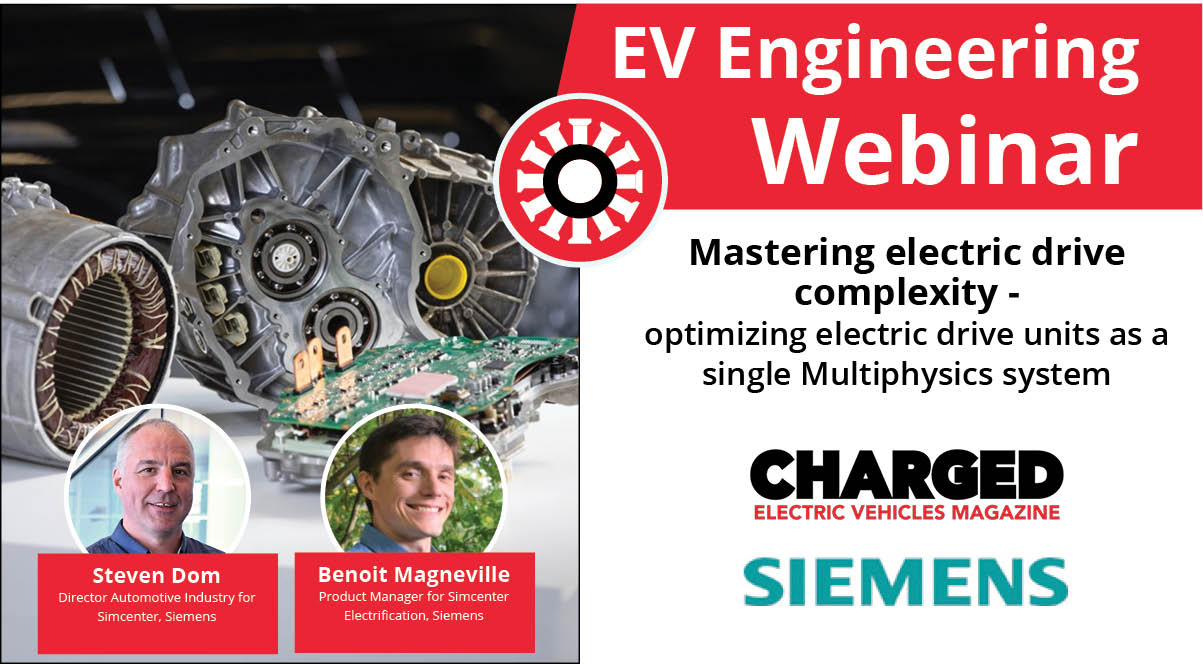
Ask your questions live, register to the webinar of November 17, 5 PM CET (11 AM EST)
Discover how integrated simulation and testing bring a system-level approach to electric drive engineering – connecting the motor, inverter and transmission.
The best motor may not create the best e-drive
In traditional engineering, optimization often meant improving the performance of every individual component of a system separately. In electric drive development, that mindset can be misleading.
The most efficient motor does not necessarily deliver the most efficient system. The highest-performing inverter may not lead to the best overall vehicle experience. Decisions that look optimal within one discipline can create compromises elsewhere in the design. This reality is forcing engineering teams to think differently.
Rather than optimizing components independently, engineers must evaluate how motors, inverters, transmissions, thermal systems and control software behave together. Every design decision becomes a system decision, influencing attributes such as efficiency, NVH, durability, performance and cost.
The goal is no longer to create the best individual components. The goal is to create the best electric drive.
Five industry trends are accelerating this shift
Increasing technology integration
Electric drive engineering is evolving from the development of individual components toward highly integrated systems. Whether developing a centralized e-axle or a complete electric propulsion system, engineers must account for interactions between electrical, mechanical, thermal and software domains from the earliest stages.
Growing pressure on cost and development time
The race to electrification has become a race to profitability. Manufacturers must bring competitive vehicles to market faster while controlling cost and maintaining product quality. Late-stage redesigns or unexpected integration issues can quickly erase development gains.
More complex engineering trade-offs
Every program requires balancing multiple objectives. Performance, efficiency, thermal behavior, durability, reliability, NVH and cost all compete for attention. Improving one attribute may impact several others, making trade-off management a critical engineering capability.
Expanding design possibilities
The number of available design choices continues to grow. Different motor topologies, inverter architectures, transmission concepts, cooling strategies and control approaches create an enormous design space. Exploring these alternatives efficiently has become essential for innovation.
Moving critical decisions earlier
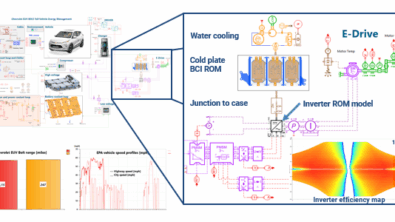
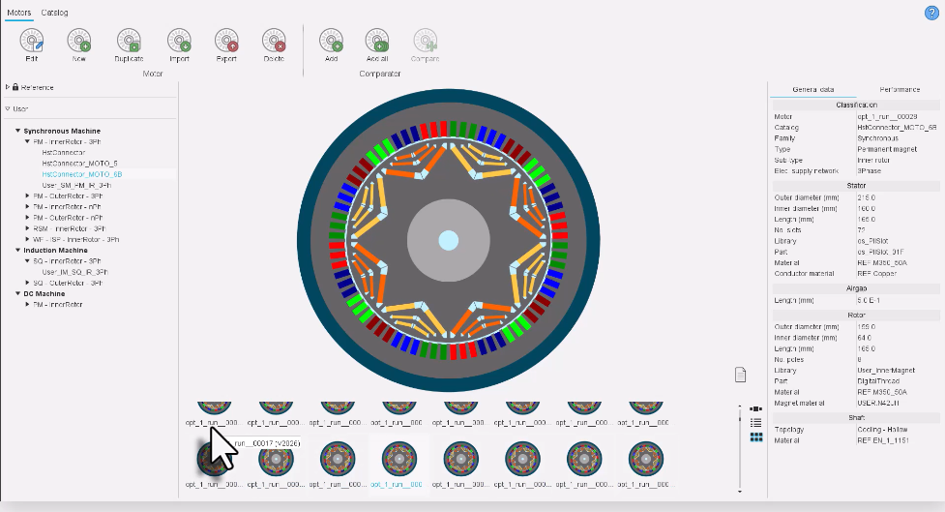
The organizations leading in electric mobility are increasingly focused on making better decisions earlier. Rather than waiting for physical prototypes to reveal system interactions, engineering teams are evaluating architectures and trade-offs during the concept phase. System simulation allows engineers to assess complete e-drive configurations, compare alternatives and understand design sensitivities before major investments are made.
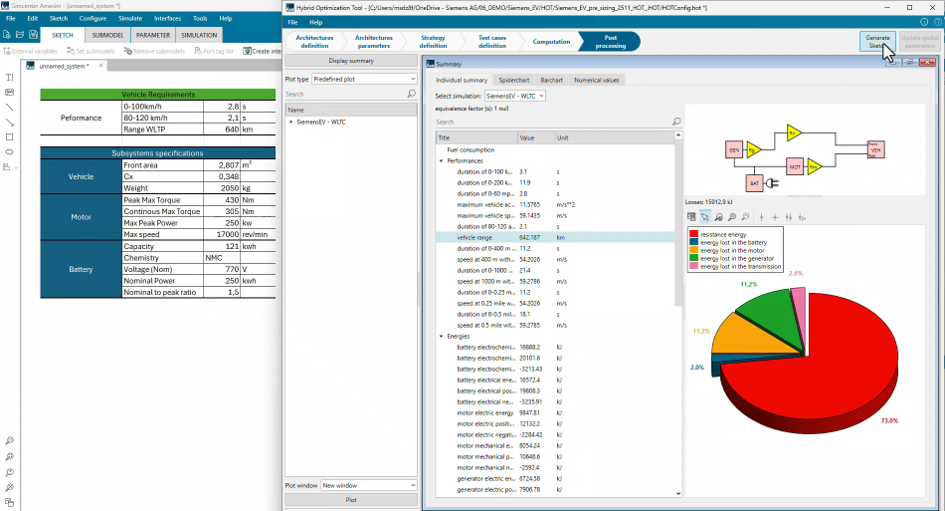
This early insight helps teams identify promising concepts faster and avoid costly surprises later in development. But system simulation is only part of the picture.
From trade-offs to engineering confidence
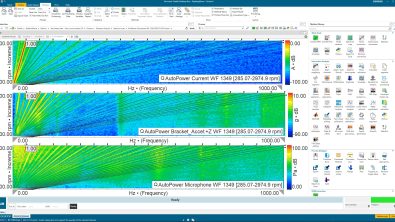
Detailed multiphysics engineering remains essential to understanding electromagnetic behavior, thermal performance, structural dynamics, durability and NVH & acoustics. The real value comes when these different levels of engineering work together, creating a connected workflow that supports decisions throughout the development process.
The most successful engineering teams combine system simulation, detailed multiphysics analysis and testing within a connected workflow. Early system-level studies help evaluate architectures and identify promising concepts, while high-fidelity simulation and test data provide the depth and confidence needed to refine designs and validate performance.
By connecting these activities through a digital thread, engineers can trace decisions from concept through validation, understand the impact of design changes across disciplines, and make better-informed trade-offs throughout development.
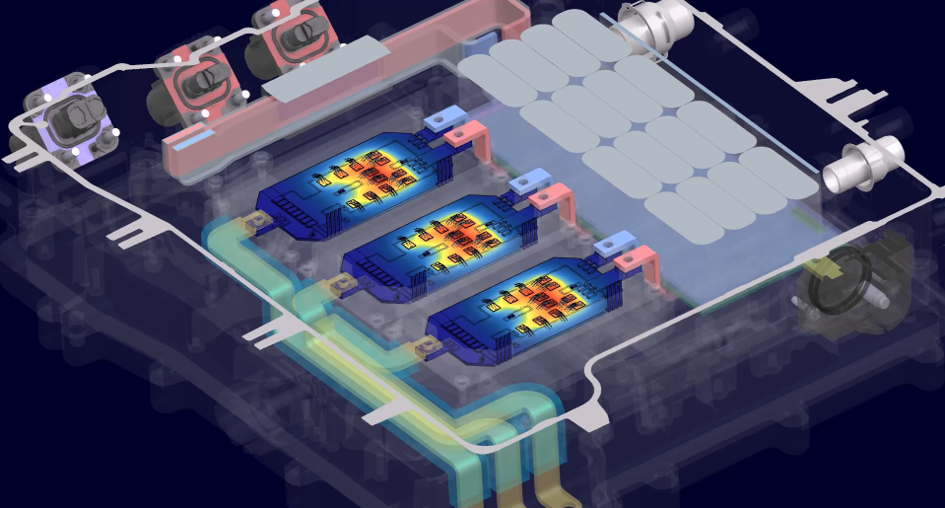
This integrated approach helps organizations accelerate development, reduce costly late-stage redesigns and deliver electric drives that balance performance, efficiency, NVH, durability and cost.
Connecting simulation and testing
As organizations increasingly rely on simulation to make decisions earlier in the development process, testing becomes essential for building confidence in virtual models. It provides the real-world data needed to validate models and increase trust in development decisions. Together, they create a continuous learning loop.
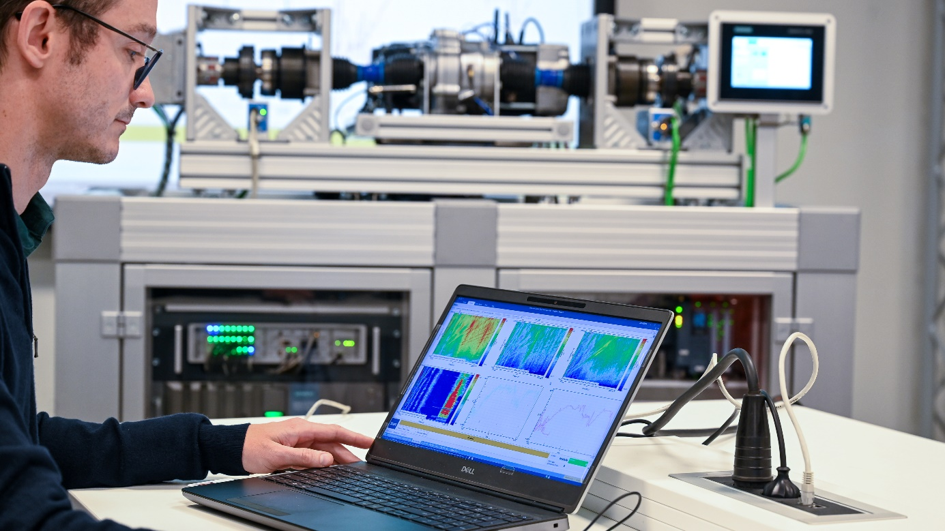
Virtual models help focus testing efforts where they add the most value. Test results improve model accuracy and support the creation of trusted digital twins. This connected approach allows organizations to validate designs earlier, reduce physical prototyping and accelerate development without sacrificing confidence.
The hidden cost of late discovery
Imagine discovering during vehicle integration that an inverter control strategy is contributing to unwanted tonal noise at highway speeds.
The software team may need to revisit control parameters. The motor team may need additional analysis to understand electromagnetic excitation forces. NVH engineers may have to investigate mitigation measures. New tests may be required to validate the solution.
The issue itself may not be difficult to solve. The real cost comes from discovering it after dozens of engineering decisions have already been made around it.
This is why leading manufacturers are investing in a more connected approach to electric drive engineering. By linking architecture exploration, multiphysics simulation and testing from the beginning, they can identify potential issues when changes are still relatively inexpensive and design freedom remains high.
The goal is not simply to build a better digital model. The goal is to make better engineering decisions throughout the entire development process.
Better decisions build better electric drives
Electric drives will continue to evolve. New architectures, higher levels of integration and increasing software content will create new engineering challenges and opportunities.
The companies that succeed will not necessarily be those that build the best motor, inverter or gearbox individually. They will be the ones who understand how these technologies work together as a system.
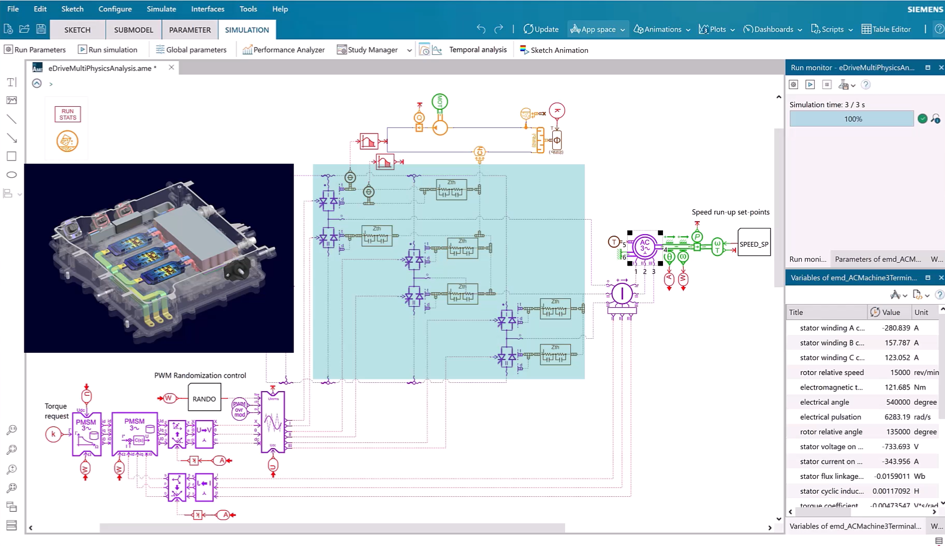
This is where a connected approach to electric drive engineering becomes critical. By combining system simulation, multiphysics engineering, testing and a connected digital thread, engineers can confidently explore architectures, evaluate trade-offs and validate decisions throughout the development process. Simcenter supports this connected workflow, linking system simulation, multiphysics analysis and testing from concept exploration through detailed design and validation. The result is earlier insight, fewer late-stage surprises and better-informed engineering decisions.
In a market where speed, efficiency and differentiation are won long before production begins, the competitive advantage belongs to those who can make the right engineering decisions first.
Want to see this connected approach in action? Join our webinar on November 17 and discover how integrated simulation and testing can help you engineer better electric drives.