Featured posts

Latest posts

spacex

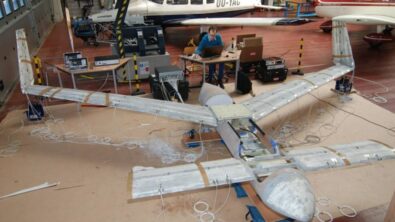
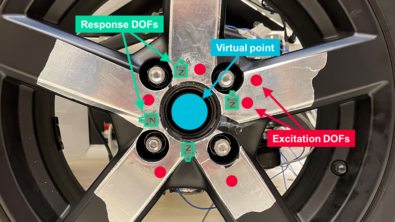
Spacecraft integration and qualification testing

Join the webinar “Space CAE and hardware qualification” and learn about solutions for mechanical qualification testing and innovative acoustic testing techniques.

Why Digital Twin Adoption Rates are Skyrocketing

Did you know 71% of businesses began investing in digital twin technology within the past year? 11% will adopt it within six months. But why is this happening? Find out in this infographic that explores the reasons behind the high digital twin adoption rates.

Can Digital Twins Save the Planet?

In this infographic, see how companies are flocking to digital twin technology to meet their sustainability objectives and where digital twin can have the greatest impact.

eRod gearbox housing

Improve your NVH process for an eDrive and its housing in one simulation – that’s e-mag-ical

The NVH process used to develop electric powertrains changes the vehicle occupants’ experience and perception of quality. Vibrations have become…

Pumped Storage Hydropower Plant

Pump up the…Water?

How a classic solution can help our need for future energy storage The sun is shining and then it isn’t….

ISMA is back live! And we will be there in full force!

ISMA, the International Conference on Noise and Vibration Engineering, will take place from the 12th to the 14th of September in Leuven. Make sure to visit Simcenter experts at booth #8

Digital Debunking: Could a Rover Beat a Sports Car in Martian Drag Racing?

Let simulation take you to Mars to witness the first drag race between a Mars rover and a sports car. But which vehicle will emerge victorious?

4 Simcenter Presentations at the Shock and Vibration Symposium 2022

Attention structural dynamics and vibrations engineers – the 92nd Shock and Vibration Symposium is coming up on September 18-22, 2022…

Significantly accelerate verification of level 4+ automation

With the release of Simcenter Prescan 2206, we introduce massive simulation capabilities enabling the industry to take a giant leap in the transitions towards level 4+ automation.