AI-powered performance engineering: build with confidence

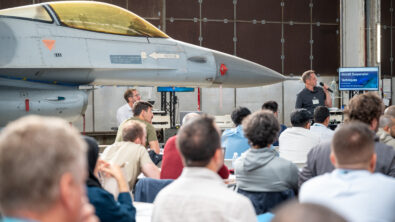
On May 27th, Siemens product and sales experts Peter De Clerck and Jonah Normand will be joined by Monica Schnitger, President and Principal Analyst of…

From nobody to somebody with Simcenter X – the secret benefits of named-user licensing

The email landed at 4:47 PM on a Thursday. “License utilization review—Monday, 9 AM. Come prepared with optimization recommendations.” Sarah…

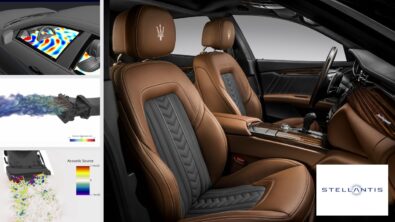
Farewell physical prototypes? Digitalize your vehicle development process with Simcenter Testlab NVH Simulator

New electric vehicle OEMs in China are taking new vehicle models from concept to production twice as fast as legacy OEMs….

E-Motor Vibration Synthesis for efficient high-fidelity eNoise evaluation – What’s new in Simcenter 3D Acoustics 2512

Simcenter 3D Acoustics 2512 and Simcenter E-Machine Design team up to introduce a new e-motor NVH analysis tool. Electrification is booming, and with it, customer demands for ever quieter and more…

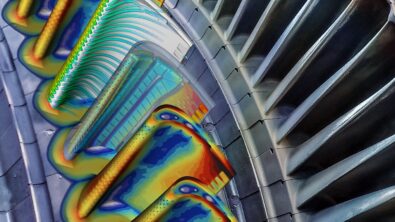
Multi-domain simulation – Unparalleled engineering excellence with Simcenter X Advanced

Capture the real-world complexity with multi-domain simulation using Simcenter X Advanced Designing complex engineering systems, such as a gas turbine,…

Simcenter X Advanced released! Multi-domain engineering simulation at your fingertips

By combining well-established Simcenter modelers and solvers under a unified SaaS entitlement including Teamcenter X data management with embedded AI…

De-risk spacecraft qualification

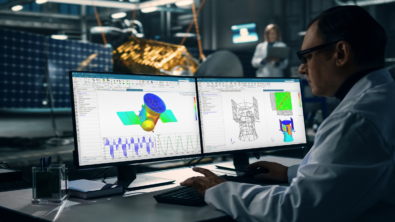
Master your mission: De-risk spacecraft qualification

Dynamic environmental testing plays a crucial role in the qualification and acceptance of space hardware. Whether it’s a single component…

Optimizing cardboard packaging for sustainability: A Simcenter HEEDS design exploration

This blog explores how Siemens’ advanced simulation and optimization tools—Simcenter HEEDS, Simcenter 3D, and NX CAD—can be used to design…

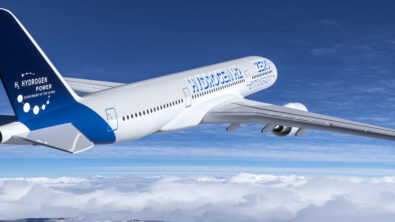
Simulation-driven performance analysis of hybrid-electric regional aircraft

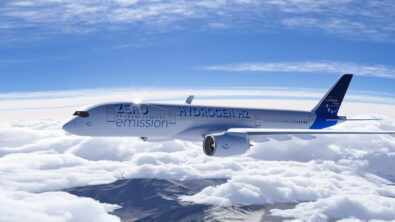
Siemens and the HERA project are redefining regional air travel with hybrid-electric aircraft. Using simulation-driven design and digital twins, they’ve cut cruise fuel burn by 5% and boosted efficiency, all whilst staying within 3% of real-world performance data. It’s a bold step toward net-zero aviation.