Leg-based robotics with System Simulation: Why it’s transforming the industry with accelerated innovation

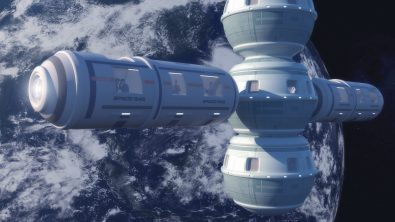
This blog explains how System Simulation with Simcenter Amesim brings many advantages in Robotics to create digital twins of led-based robots, quadruped robots or other 6-leg robots. To save time and cost during development of such systems thanks to digitalization to investigate scenarios and training.

The Executable Digital Twin runs continuously alongside the physical asset, predicting states that no sensor alone can observe.

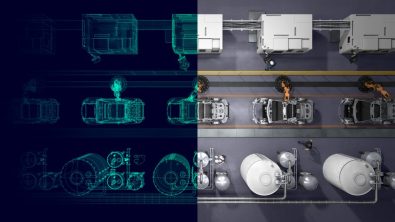
The architecture of truth: How Siemens’ AI-powered Executable Digital Twin is rewriting the rules of industrial intelligence

Discover how Executable Digital Twin closes the gap between physical assets and real-time insight – using physics-validated AI to optimize energy, generation, and transmission.

Powering data centers with gas turbines – Why System Simulation matters

This blog highlight how System Simulation with Simcenter Amesim can help designing the appropriate gas turbines for the power generation of AI Data Centers. It’s based on a Siemens Energy SGT-800 gas turbine, while it could be adapted to any other type of gas turbines, also from other manufacturers worldwide.

Unlock testing excellence: Your monthly Simcenter physical testing update | August 2026

Discover the latest news from Simcenter Physical Testing that are transforming the way engineers approach testing. Check back regularly as we continuously update this blog with the freshest Simcenter Physical Testing news, tips, and insights.

Simcenter physical testing: Valuable monthly archive older than 12 months

This newspaper archive provides access to Simcenter physical testing blog articles overview published prior to the most recent 12 months….

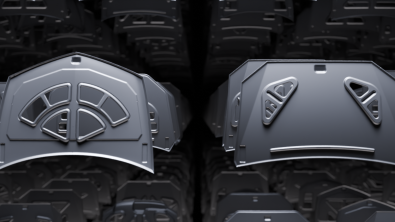
Simcenter PhysicsAI Generate producing physics-aware novel design concepts for automotive hood

What’s new in Simcenter PhysicsAI 2026.1?

Explore what’s new in Simcenter PhysicsAI 2026.1: generative AI for engineering design, improved hotspot predictions, 5× faster training, SPH support, and more.

Balancing vehicle noise and vibration with e-efficiency for e-powertrains – a “multitasking challenge”

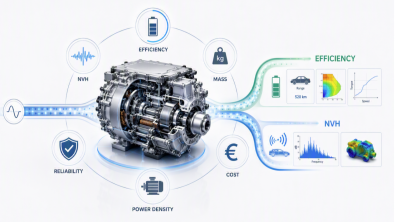
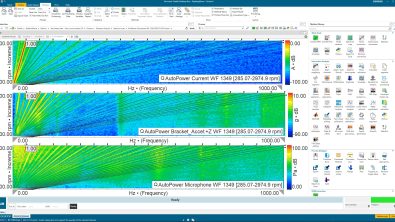
Electric vehicle e-powertrain development is a balancing act between efficiency, noise and vibration (NVH), cost, mass, and reliability. While efficiency directly influences vehicle range, NVH issues remain a major source of development challenges and budget overruns. This blog explores how engineers can assess e-efficiency and NVH simultaneously using a single synchronized measurement setup. By combining electrical, mechanical, acoustic, and vibration data in one test campaign, teams can directly correlate efficiency gains with NVH impacts, identify critical noise sources, and make faster, better-informed design decisions.

Effective methods to simulate radiation in turbomachinery

Designing modern gas turbines is a balancing act between physics and performance. As temperatures soar, even small thermal miscalculations can…

Simcenter Prescan 2606 release image

Python in the loop: AI-driven simulation and validation for autonomous systems – Simcenter Prescan 2606 

What’s new ADAS and autonomous system development increasingly relies on Python, machine learning frameworks, and large volumes of sensor data. Yet…