Part 1: The 2020 Wilson Research Group Functional Verification Study

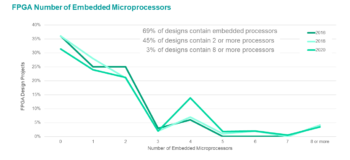
FPGA Design Trends In my previous blog, I introduced the 2020 Wilson Research Group Functional Verification Study (click here). The…

Part 7: The 2018 Wilson Research Group Functional Verification Study

Part 7: The 2018 Wilson Research Group Functional Verification Study

IC/ASIC Design Trends This blog is a continuation of a series of blogs related to the 2018 Wilson Research Group…

Part 1: The 2018 Wilson Research Group Functional Verification Study

Part 1: The 2018 Wilson Research Group Functional Verification Study

FPGA Design Trends In my previous blog, I introduced the 2018 Wilson Research Group Functional Verification Study (for a background…

Part 1: The 2016 Wilson Research Group Functional Verification Study

Part 1: The 2016 Wilson Research Group Functional Verification Study

FPGA Design Trends In my previous blog, I introduced the 2016 Wilson Research Group Functional Verification Study (click here). The objective…

ISO 26262 fault analysis – worst case is really the worst

ISO 26262 fault analysis – worst case is really the worst

Worst case analysis is often a self-fulfilling prophecy: By preparing for the worst you actually make it happen. In our…

Getting ISO 26262 faults straight

Getting ISO 26262 faults straight

Random hardware faults – i.e. individual gates going nuts and driving a value they’re not supposed to – are practically…

Part 1: The 2014 Wilson Research Group Functional Verification Study

Part 1: The 2014 Wilson Research Group Functional Verification Study

FPGA Design Trends In my previous blog, I introduced the 2014 Wilson Research Group Functional Verification Study (click here). The objective…