Master the PCB designer’s triangle for successful enterprise-wide verification.
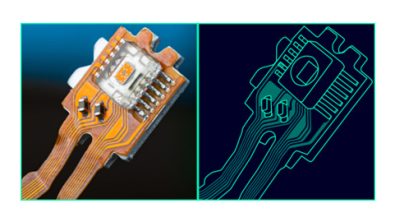
Flex circuits present manufacturing challenges and let’s look at six to avoid when designing these regions.
Siemens EDA is pleased to announce its acquisition of ASTER Technologies, a trusted name within the PCB design industry with more than…
The Z-planner Enterprise 2510 release of Z-planner continues to refine the product by focusing on simulation accuracy, overall ease of use and collaboration.
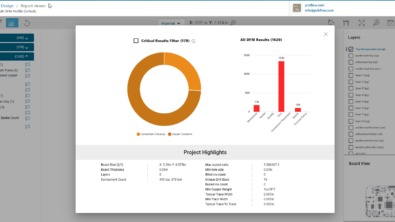
The Valor NPI 2510 release brings additional checks, better manufacturing awareness and exciting visual enhancements that show a significant evolution of the product offering.
Z-planner Enterprise 2504 release The latest 2504 release of Z-planner Enterprise delivers powerful updates that streamline stackup planning, improve rigid-flex…
The latest Valor NPI 2504 release delivers powerful enhancements that make your Design for Manufacturing (DFM) analysis faster, more intelligent,…
In the fast-paced world of automotive electronics, staying ahead of the curve is essential. With the rapid advancements in technology…
I have always had a certain affinity for the saying ‘the definition of insanity is doing the same thing over…