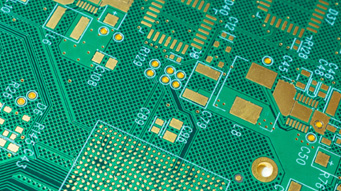
This blog is a place to learn about electronic systems design, from PCB design to simulation and verification, to manufacturability and manufacturing execution.

Learn more about electronic systems design.

Featured posts

Latest posts

Siemens Xcelerator X with a 3D PCB inside

What’s new in HyperLynx 2504

The HyperLynx 2504 update introduces a wealth of new features and enhancements that elevate the PCB design process.

Siemens Xcelerator X with PCB 3D inside

What’s new in Xpedition Enterprise 2504

Building on the core 2409 release, where we introduced the concept of the next generation of electronic systems design, the Xpedition Enterprise 2504 release continues to enhance and expand this vision.

Aerial view of agricultural silos.

Beyond silos: Enabling multidomain and multidiscipline integration in electronic systems design

Engineering success depends not just on deep expertise, but on seamless integration across domains and disciplines.

Image of CAM350 software on a computer screen.

Siemens welcomes DownStream Technologies

Siemens Digital Industries Software has acquired DownStream Technologies.

Data safety in PCBflow

How the PCBflow platform keeps your data safe

A look at how PCBflow keeps your board design and manufacturing capability files secure

a realistic example of running signal integrity analysis locally

Using job distribution to optimize signal integrity analysis through parallel simulation

Computational job distribution is an important component to scaling and optimizing any signal integrity analysis.

An image of a stylized printed circuit board

Unlock the future of electronic systems design at Realize LIVE Americas and Europe

In a rapidly evolving software-driven world, electronics content is becoming increasingly prevalent in all aspects of products and services. At…

Icons of file folders

Design for manufacturing output files – optimizing engineering to manufacturing efficiency

As PCB design and manufacturing become increasingly complex, the choice of design for manufacturing output files plays a crucial role in streamlining processes, reducing errors, and improving time to market.

blind and buried vias

Blind and buried vias: An HDI technology

One of the key innovations within HDI PCB design is the use of blind and buried vias, which enhance routing capabilities by freeing up additional routing resources, increasing the amount of routing channels while requiring fewer signal layers, and optimizing board space.