PCB manufacturing capabilities

Why is Design for Manufacturing important?

Who is PCB DFM for? For those of us that have climbed a mountain to take in the gaze of…

Resources for learning about PCB design

With today’s complex requirements challenging us at almost every stage of the design process, we don’t always have the answers…

PCB material selection

Choosing the right laminate for your PCB design

A balanced approach to material selection involves understanding and considering more than just electrical parameters. In general, with dielectric materials, every parameter that improves performance comes at a marginal increase in cost. Because of this, ensuring that you don’t overdesign within your materials is quite important.

Built-in Security Equals Peace of Mind

The cybersecurity landscape continues to rapidly evolve, with resultant vulnerabilities too often headline news. Who can forget Log4j? Facing this…

IC PCB DFT image

Proactive Design for Test (DFT) best practices

The process of PCB DFT needs to be considered sooner and more proactively in our PCB design process, incorporated in the schematic phase, not during the layout phase. A designer should determine what nets will be needed to be tested based on their likelihood of failure and position those pins in open, accessible real-estate.

Z-planner Stackup design overview.

Practical advice on PCB stackup planning

The more technology advances, the more attention we must pay to every aspect of printed circuit board (PCB) design, including…

PCB designers discussing stackup planning

You Need to Control Your PCB Stackups!

Z-planner Enterprise contains all the tools you need to design and verify stackups on fast PCB designs. In addition to being able to calculate impedance and design valid stackups, you can run the field solver and perform cross-section analysis. And, it includes the industry’s largest dielectric materials library, including laminates. The result is a stackup design that will produce first-time-right results regardless of the fabricator.

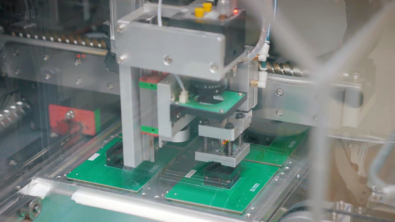
Automated PCB assembly process

What is New Product Introduction (NPI) and How Does it Apply to PCBs?

The pace of PCB new product introductions has increased exponentially over the past few years – and with it the need for a proper NPI process. It’s not just that PCBs are used in more and more products across numerous industries; it’s also that more PCBs are needed in those products. For example, consider how many PCBs are used in even the lowest-end cars today versus how many were used years ago. As new-model cars become increasingly connected to online services, the need for PCBs will continue to grow.

PCB stackup with material and copper

PCB Stackup Design e-book

While not the final word on the subject of stackups, Bill’s e-book goes a long way to helping you plan ahead, providing an important voice in a space that is surprisingly lacking in content. I would also recommend exploring Z-planner Enterprise, a stackup tool that Bill has spent years developing. Now all you need is a sharp pencil.