Elevating models with Polarion – Bridging simulation and ALM for true model traceability

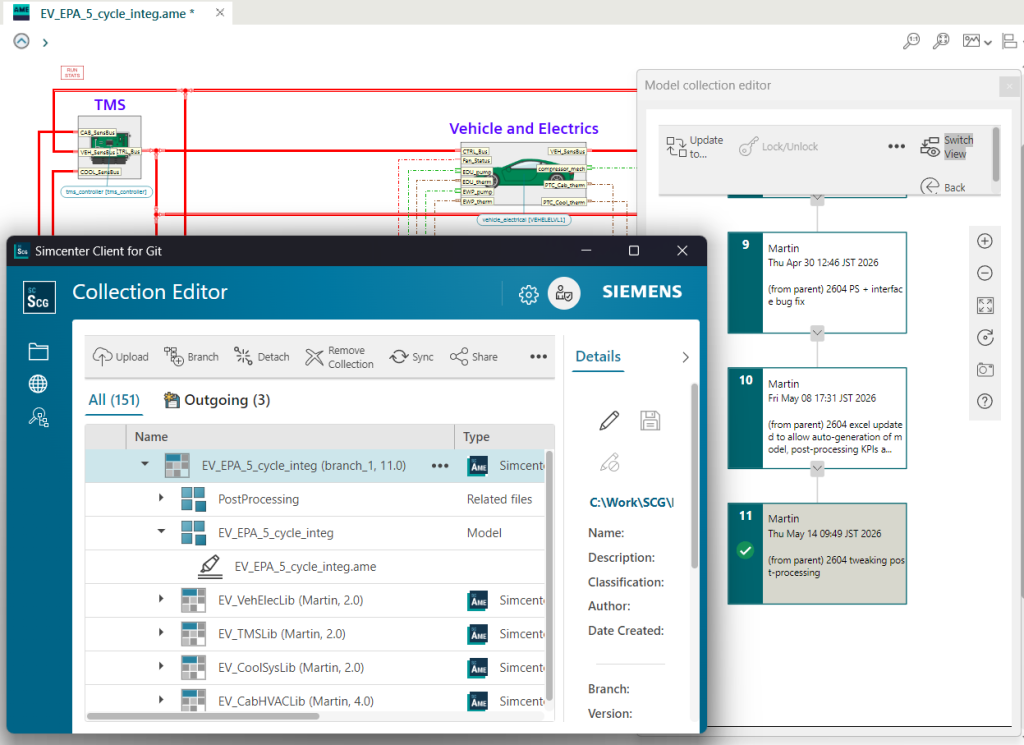
In our last discussion, we explored how Simcenter Client for Git empowers engineers to efficiently discover and re-use simulation models through its powerful versioning and search capabilities. While Simcenter Client for Git is excellent for managing the evolution of models, the journey of a model doesn’t end there. Model traceability is key to truly unlock its full potential within the broader product development lifecycle, we need to connect it to the bigger picture: requirements, test cases, and overall project management.
Application Lifecycle Management (ALM) is a comprehensive approach to managing the entire product development lifecycle, from requirements definition through design, testing, deployment, and maintenance ensuring all artifacts are linked and traceable.
This is where Polarion, an ALM tool, becomes an invaluable partner, complementing Simcenter Client for Git and extending the reach of your simulation assets for full model traceability.
The missing link: Beyond versioning
While a versioning tool ensures you’re always working with the latest model and provides a traceable history, the information it offers might not always be sufficient to determine a model’s suitability without a deep dive.
Does it meet specific requirements? Has it been thoroughly tested against defined scenarios?
Without clear answers, engineers might hesitate to re-use models, even validated ones.
| Capability | Polarion (ALM) | Simcenter Client for Git |
| Primary Function | Requirements, test case, and workflow management | Model version control and collaboration |
| Model Traceability | Links to requirements, test cases, and test runs | Version history and change tracking |
| Work Item Management | Workflows, approvals, comments, descriptions, attachments | Model-specific metadata and attributes |
| Model Representation | References to models as work items | Native model storage with diff capabilities |
| Search Capabilities | Requirements-based, test-based, project-based search | Model attribute search (maturity, branch, custom tags) |
Furthermore, a dedicated versioning tool typically doesn’t manage the associated requirements, test cases, or test results. This is precisely the gap that Polarion fills, providing a comprehensive framework for managing all aspects of the product lifecycle, and crucially, linking them directly to your simulation models.
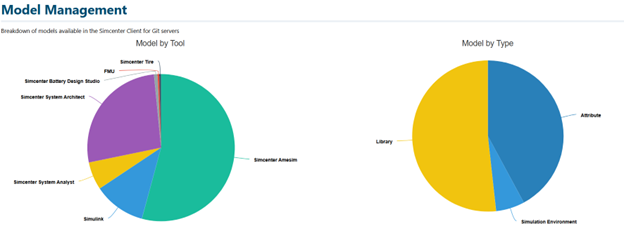
Polarion provides off-the-shelf toolboxes to make dashboards of your objects, improving readability and model traceability.
Simcenter Client for Git + Polarion: A powerful synergy
Siemens’ open strategy allows for integration between these tools, creating a comprehensive ecosystem for model management. Polarion complements Simcenter Client for Git by providing:
- Model Traceability to Requirements, Test Cases, and Test Runs: Models stored in Simcenter Client for Git can be directly linked to their corresponding requirements and test artifacts in Polarion. This creates a complete audit trail, ensuring every model change is tied to its purpose and validation.
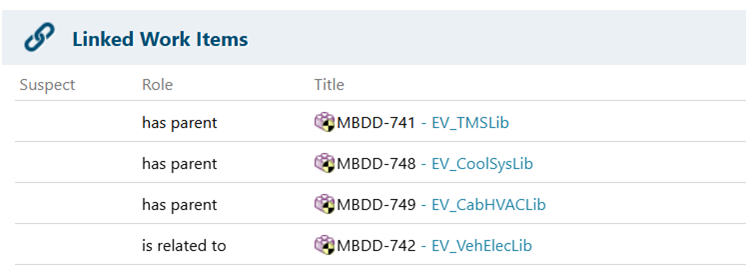
- Comprehensive Work Item Management: Polarion’s comprehensive work item management capabilities allow you to manage tasks, workflows, and approvals related to your models. This means you can assign engineers, track model status at a granular level, and ensure all necessary reviews are completed.
- Enhanced Search and Re-use: Beyond Simcenter Client for Git’s model versioning search, Polarion offers powerful search capabilities across all linked work items. This means you can find models based on their associated requirements, test results, project status, and custom attributes, making model discovery and re-use even more efficient.
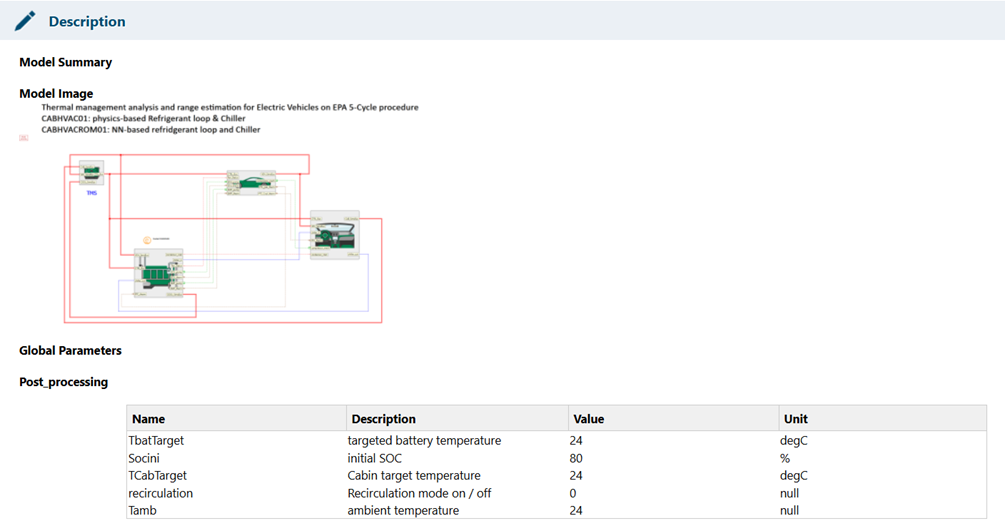
- Automated Reporting and Information Extraction: Polarion can automatically generate reports and extract key information from your models, such as version, simulation tool, parameters, and plot results. This provides a clear overview of your model landscape and aids in decision-making.
- Streamlined Workflows and Approvals: Define and enforce custom workflows within Polarion to ensure models go through the necessary approval stages before being deployed or re-used.
By integrating Simcenter Client for Git with Polarion, you transform your simulation models from isolated assets into fully integrated components of your product development process. This not only improves model re-use and accelerates development cycles but also ensures complete model traceability and compliance throughout the entire lifecycle.
Conclusion: From version control to full model traceability and lifecycle management
Version control provides essential capabilities for managing model evolution, but complete lifecycle management requires model traceability to requirements, test cases, and compliance workflows. Integration between Simcenter Client for Git and Polarion ALM creates bidirectional linking that answers not just “what changed?” but “why was this model created, what does it validate, and is it approved for re-use?”
📌Key takeaways
- ALM integration creates complete model traceability from requirements through validation, reducing audit preparation effort significantly
- Requirements-based search improves model discovery by enabling business-purpose queries beyond version control capabilities
- Automated workflows reduce compliance risk through enforced approval gates and immutable audit trails
- Bidirectional linking between models and requirements reduces rework through clear validation scope and change impact analysis
This integration transforms simulation models from technical artifacts into governed assets with complete audit trails, enabling organizations to improve re-use rates, reduce compliance risk, and accelerate development while maintaining regulatory compliance.
As regulatory requirements intensify and organizations scale model-based development across distributed teams, the ability to demonstrate complete model traceability from requirements through validation will increasingly differentiate compliant, efficient organizations from those struggling with audit preparation and rework.
How does your organization manage model traceability between simulation models and requirements, and what percentage of your models have complete audit trails?
We hope you have found this series on Model Management informative, please feel free to reach out to your local representatives for more detailed discussion on how Siemens can help.
FAQ
Q: What is Application Lifecycle Management (ALM) and how does it differ from version control?
A: Application Lifecycle Management (ALM) manages the complete product development lifecycle – including requirements, design, testing, deployment, and maintenance. While version control tools like Simcenter Client for Git track model evolution and changes, ALM systems like Polarion provide model traceability across requirements, test cases, work items, and approvals. ALM answers “why was this model created and validated?” while version control answers “what changed and when?”
Q: How do Polarion, Simcenter Client for Git, and Test Execution Manager integrate with each other and with existing enterprise tools?
A: Siemens provides extensive API capabilities across Polarion, Simcenter Client for Git (SCG), and Test Execution Manager (TEM), enabling flexible integration tailored to each organization’s existing tool chain and workflows.
Q: What is model traceability and why does it matter for simulation models?
A: Model traceability is the ability to track relationships between requirements, design artifacts, test cases, and validation results throughout the product lifecycle. For simulation models, model traceability ensures:
- Every model is tied to specific requirements it validates
- Test results are linked to the exact model version used
- Changes are justified by requirements updates or test failures
- Compliance audits can verify validation coverage
Organizations with strong traceability reduce rework significantly and improve audit efficiency.
Q: How does Polarion improve model re-use beyond Simcenter Client for Git’s search capabilities?
A: While Simcenter Client for Git enables search by model attributes (maturity, branch, custom tags), Polarion extends search to include:
- Requirements the model validates
- Test cases the model has passed
- Project context and business objectives
- Approval status and workflow state
- Cross-project usage history
Engineers can find models by asking “which models validate requirement X?” or “which models passed thermal cycling tests?”, queries impossible with version control alone.
Q: Do I need both Polarion and Simcenter Client for Git?
A: It depends on your organization’s needs:
Use Simcenter Client for Git alone if:
- Your primary need is model version control and collaboration
- You have simple approval processes
- Traceability to requirements is not critical
Add Polarion if:
- You need formal requirements management and traceability
- You must comply with industry standards (ISO 26262, ASPICE, FDA)
- You manage complex workflows with multiple approval gates
- You need cross-functional visibility into model status
- You’re scaling model-based development across multiple teams
Most regulated industries benefit from both tools working together.