How to win customers and inform designs with pre-bid intelligence for quotations- a case study with EMC FIME

Quotations can make or break you
An accurate, thorough, and on-budget quotation is key to winning any piece of engineering work. But how quickly can you deliver a quote?
Gianluca Catalini, R&D Manager at EMC FIME, says that customers often request quotations and expect them within days for the electric motors and fans it produces for HVAC and household appliances. He notes that noise and vibration (NVH) are the real differentiators that distinguish you from the competition, but solving such issues can be complex, making accurate pre-bid assessment critical. The smallest mistake can mean losing the contract or absorbing significant extra costs.
Simulation makes it possible for his team to turn around these quotes as quickly as customers demand without compromising accuracy.
Intelligence driven by simulation
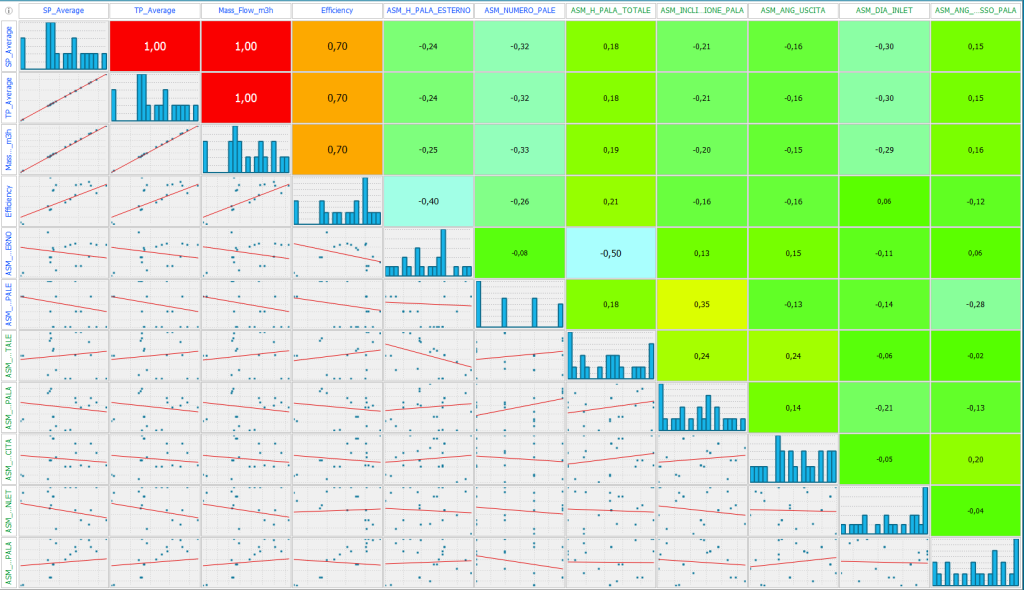
The Simcenter portfolio is at the heart of EMC FIME’s development process from the earliest stages to ensure minimized prototyping. Before a contract is signed, engineers use Simcenter STAR-CCM+ for aerodynamic analysis and Simcenter 3D for structural, modal, acoustic, and NVH analysis. This gives their proposals and quotations a factual foundation, giving themselves and their customers confidence in how the final product will perform.
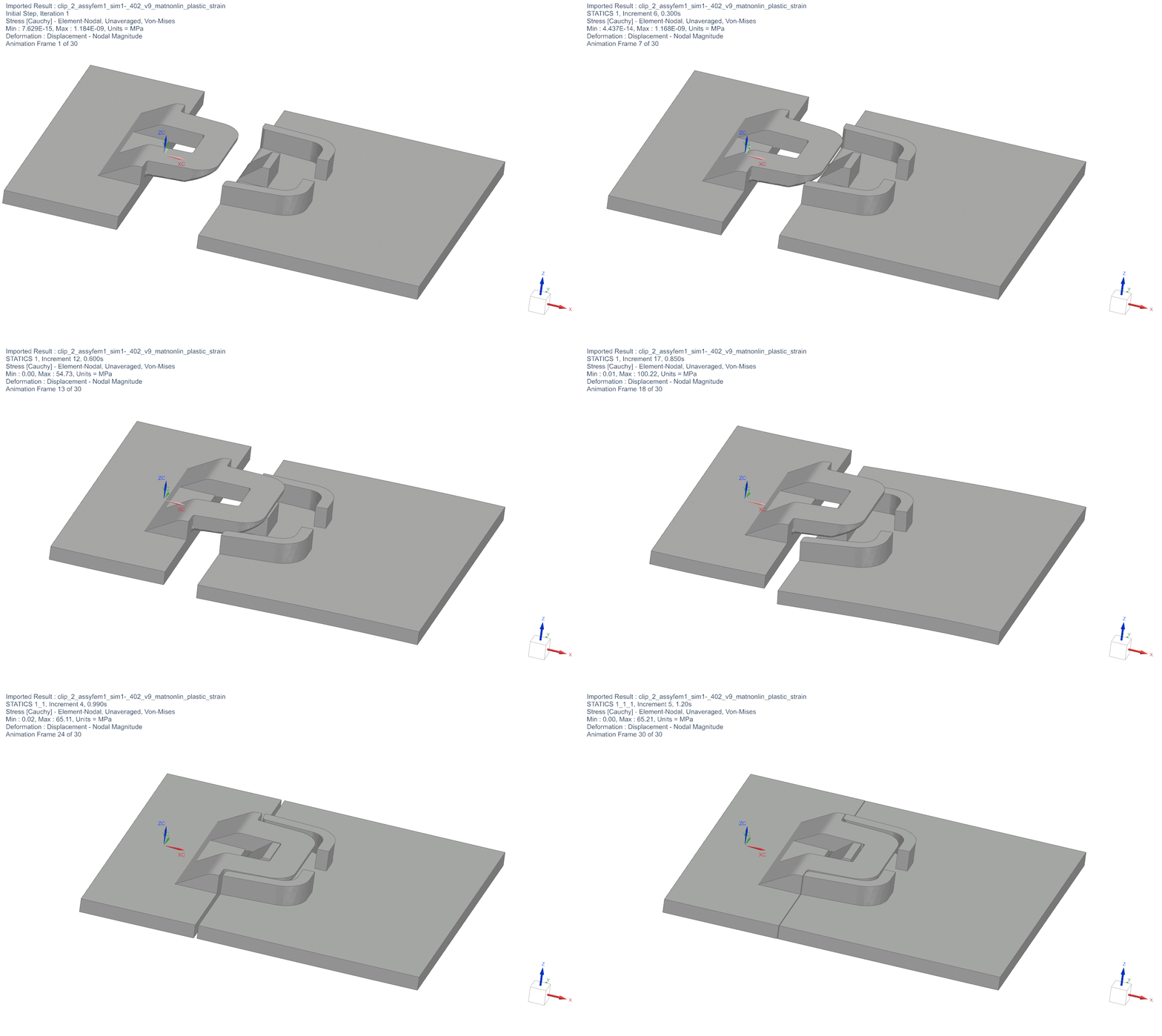
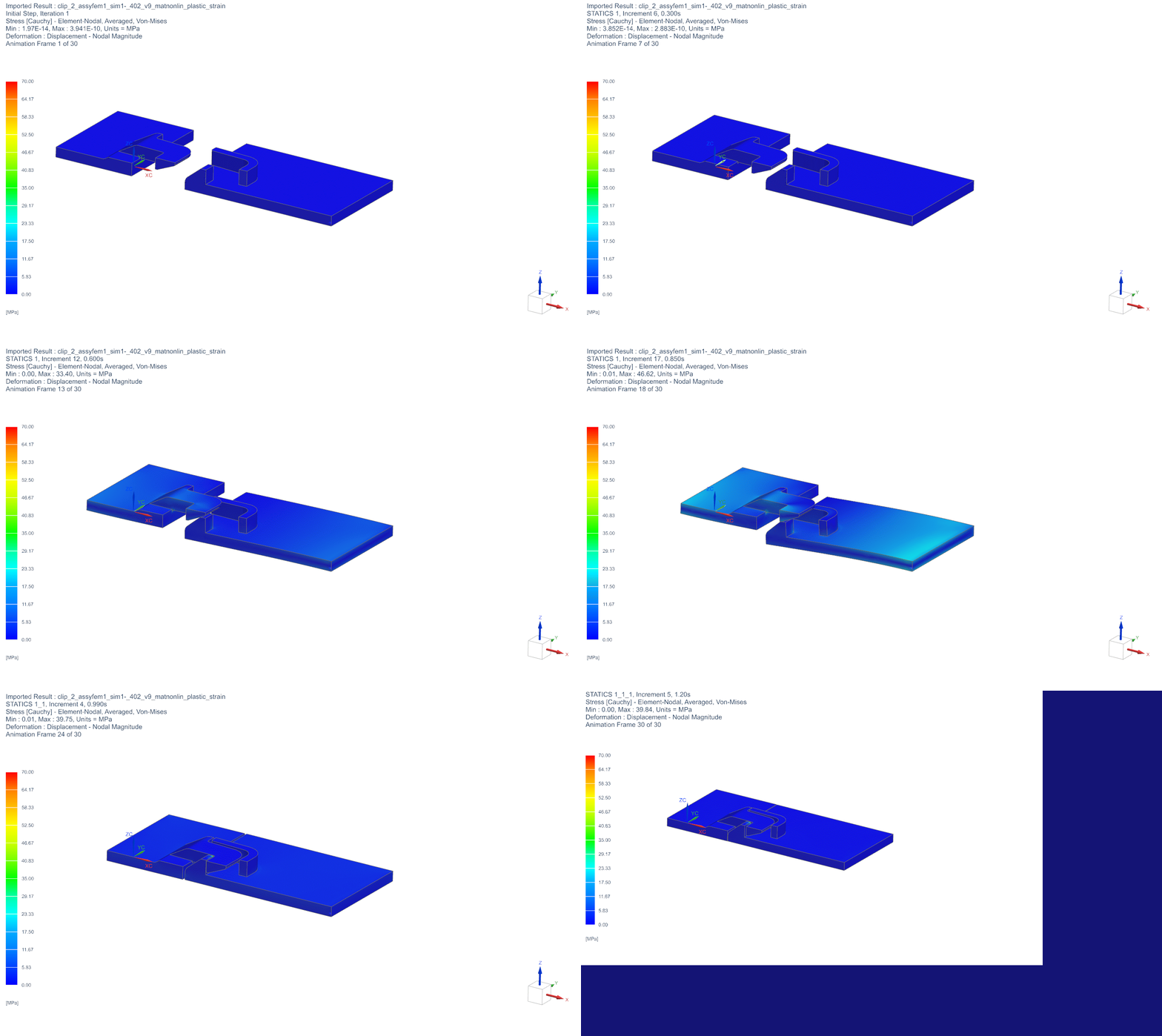
It also speeds up development once a contract is won, as the first prototype is reinforced by the simulation. “We still have to carry out testing to validate the prototype,” Gianluca explains. “But much less than if we hadn’t done any simulation.”
He estimates that this typically results in concept-to-prototype time being cut from more than a year to just six months.
Integrated tools break down silos
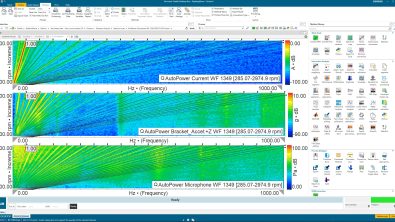
One project that Simcenter helped EMC FIME to win was a larger, more powerful version of an existing fan for a domestic boiler application. This demanded increased air delivery and pressure which led to more significant NVH challenges. Alongside simulation, the team used Simcenter SCADAS hardware and Simcenter Testlab software to pinpoint components that were contributing to increased vibration. This identified design changes in the plastic cover and cooling fan which were verified with simulation before building a new prototype.
Mechanical Simulation Manager Savino Pontino explains that the ability of these Simcenter tools to easily communicate with each other helped break down silos between teams, streamlining workflows and reducing errors. He also points to the flexibility of token licensing allowing them to use a variety of solvers within Simcenter 3D without needing to purchase individual solutions for each task.
Martina Bolognini, Project Manager at EMC FIME explained ‘ there was an increase of over 50% in air flow and pressure, aerodynamic gains of 2-5%, and a product guaranteed to last 10 years.’
Complete digital twin
And EMC FIME’s gains from simulation aren’t stopping there. Engineers are now working towards a digital twin that combines the three subsystems – the fan, electronics, and electric motor.
This would speed up customization and get new products to customers even sooner. Absolutely vital in the constant battle to stay ahead of the competition. In a market where speed of delivery at all stages is increasingly important, this kind of pre-bid intelligence is essential to winning business and protecting profits.
Read the full story in the case study or follow the links below to find out more about the Simcenter solutions used by EMC FIME.
The products included in this study included Simcenter STAR-CCM+, Simcenter 3D, Simcenter SCADAS, and Simcenter Testlab