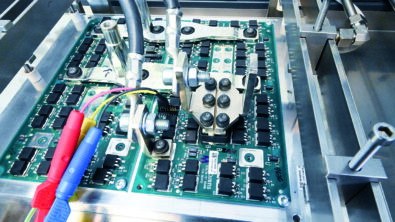
Extend thermal characterization to high-power ICs and GaN devices
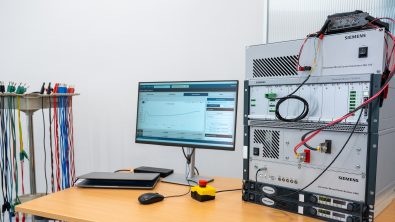
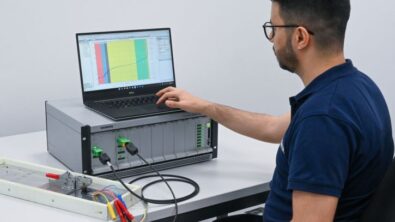
What’s new in Simcenter MICRED thermal testing
AI accelerators, high-power GPUs and low-resistance GaN devices are pushing conventional thermal characterization
methods into new territory. The new Simcenter Micred high-power sensing current generator provides the current required to capture high-fidelity thermal measurements, helping engineers compare designs, select materials and
calibrate simulation models.
More computing power creates a harder thermal measurement problem
Artificial intelligence is driving the development of increasingly powerful GPUs and application-specific accelerator chips. At the same time, gallium nitride, or GaN, devices are enabling higher switching speeds, greater efficiency and more compact power conversion systems.
These technologies serve different markets, but they create a similar measurement challenge: extracting an accurate thermal signal from devices that demand more specialized powering and sensing conditions.
High-power GPUs and AI accelerators can have large chip areas and demanding power requirements. Low channel resistance GaN devices create another challenge because the voltage change available for temperature sensing can be very small. Both applications require the test system to deliver enough current to produce a measurable signal without
compromising measurement fidelity.
This matters because junction temperature and the heat-flow path inside a package directly influence thermal performance and reliability. Standard thermal metrics such as junction-to-case, junction-to-ambient and junction-to-board thermal resistance help describe that performance, while detailed transient data allows engineers to compare
design variants, investigate material choices and refine simulation models.
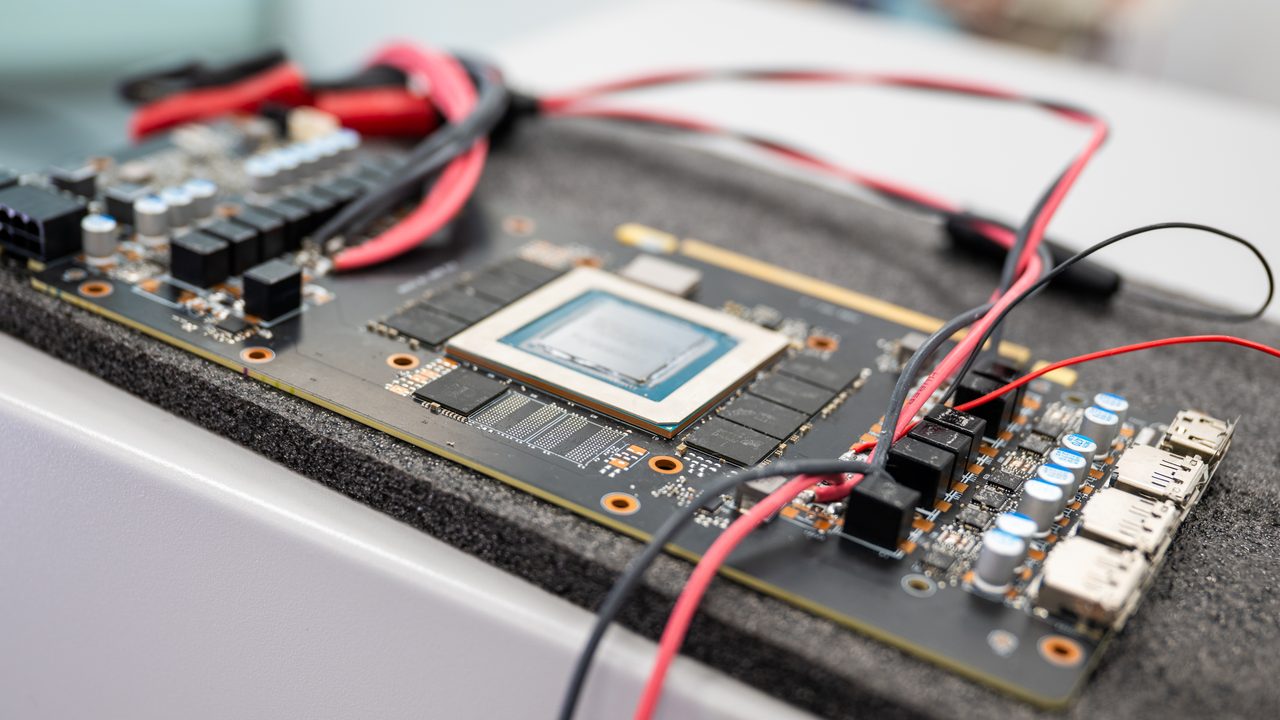
Thermal characterization of Integrated Circuits
Thermal measurement must evolve with the semiconductor
GaN is not simply a replacement material for silicon. Its device structures and electrical behavior also differ from those of conventional silicon devices.
GaN has a bandgap of approximately 3.4 electronvolts, compared with about 1.1 electronvolts for silicon. These material properties support operation at high temperature, voltage and current density, while GaN HEMT structures enable high switching speeds and low channel resistance.
Those advantages are accelerating GaN adoption in applications including power supplies, data-center power conversion, eMobility, renewable energy and compact consumer electronics. Faster switching, smaller size and higher efficiency are central advantages of GaN technology.
However, the characteristics that make GaN attractive also complicate thermal transient testing. GaN HEMTs do not provide the same parasitic body diode used as a sensitive temperature indicator in conventional silicon MOSFET measurements. Classical GaN HEMTs can also be normally on, which means measurement strategies must be adapted to the device structure.
One method is to use the on-state channel resistance, RDS(on), as both the heater and the temperature-sensitive parameter. This method can be applied across HEMT types because the channel is always present. Yet the very low resistance of modern devices means that a higher sensing current is needed to generate a detectable voltage drop. External wiring resistance and charge-trapping effects can make the measurement more difficult to interpret.
The challenge is therefore not only generating more current. It is generating the current needed to obtain a useful thermal signal while preserving the accuracy and fidelity required for meaningful characterization.
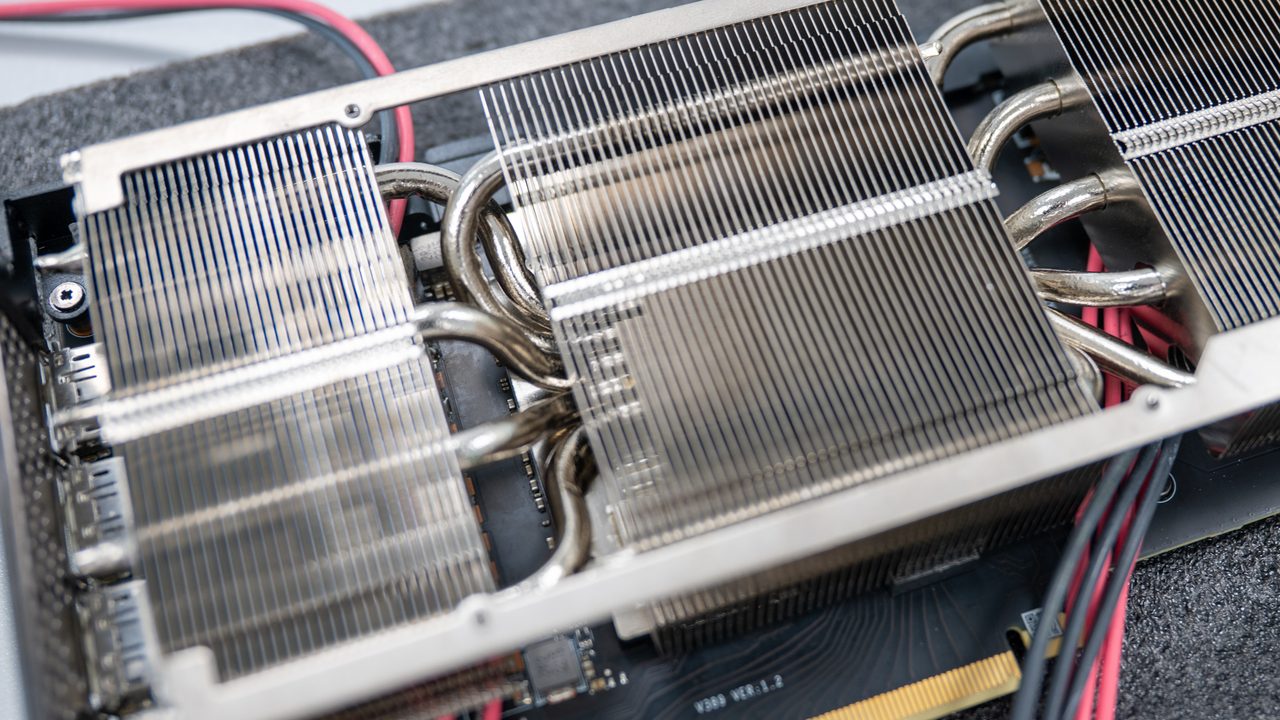
Thermal characterization of power electronics
Extend a proven thermal transient testing platform
Simcenter Micred T3STER uses electrical thermal transient testing to characterize the thermal behavior of packaged semiconductor devices. After applying a power step, the system captures the device’s cooling response and uses that response to determine thermal impedance curves and structure functions. These results map accumulated thermal resistance and capacitance along the heat-flow path.
The new high-power sensing current generator extends this measurement architecture for two particularly demanding use cases:
- Thermal characterization of large, high-power ICs, including AI accelerator chips and high-performance GPUs
- High-fidelity channel-resistance measurements on low RDS(on) GaN devices
The module provides the higher current needed to power these devices and achieve the measurement resolution required for thermal characterization. This expands the scalable Simcenter Micred T3STER platform into applications that are difficult to address with lower-current configurations.
The broader T3STER architecture is modular and configurable. Measurement systems can be assembled using heating and sensing current sources, gate-voltage supplies, measurement channels and external boosters. The system also provides browser-based software for configuration, calibration and measurement execution.
This modularity is important because semiconductor test requirements vary significantly. Engineers can configure the system around the device, its electrical behavior and the intended thermal measurement method rather than forcing every device into one fixed test arrangement.
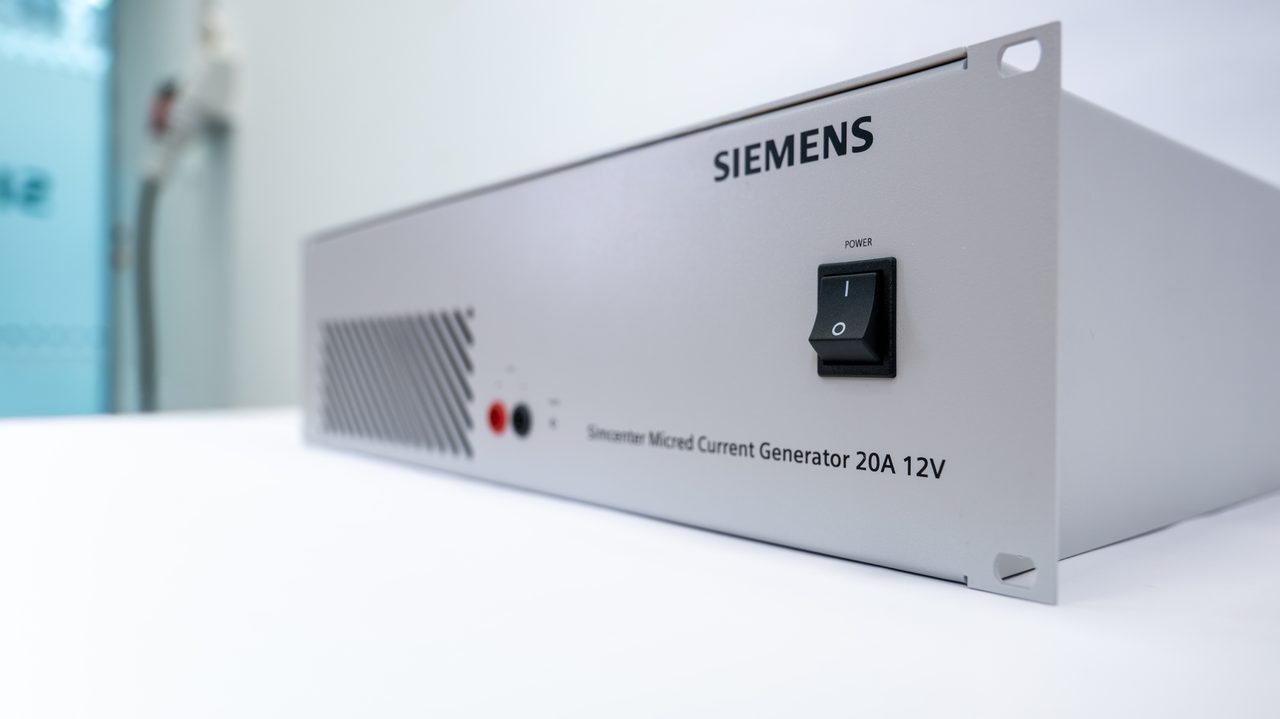
Simcenter MICRED current generator
Turn transient measurements into engineering decisions
Accurate thermal transient measurements provide more than a single temperature value. Simcenter Micred T3STER can generate industry-standard thermal metrics and structure functions that describe the heat-flow path from the semiconductor junction through the package and into its cooling environment.
Compare device and package alternatives
High repeatability makes it possible to compare materials, package structures, interfaces and other design variants using a consistent thermal reference. Differences in the structure function can help reveal where the thermal path changes between alternatives.
Understand internal thermal behavior
Structure-function analysis converts the transient response into a representation of thermal resistance and capacitance along the heat-flow path. This gives engineers insight beyond surface-temperature measurements and helps identify weak spots or changes inside the package.
Calibrate thermal simulation models
Thermal measurement data and compact thermal RC models can be exported for use with Simcenter Flotherm and Simcenter FLOEFD. Using measured results to calibrate detailed three-dimensional models improves the connection between simulated and physical device behavior.
Adapt testing to different GaN structures
There is no single thermal measurement method that is optimal for every GaN HEMT. Depending on the gate structure, leakage behavior, channel resistance and package configuration, engineers may use channel resistance, gate forward voltage, gate leakage current or a cascode-based measurement method.
The combination of configurable hardware, adaptable measurement arrangements and detailed post processing helps engineers select a method that fits the device rather than relying on assumptions carried over from conventional silicon testing.
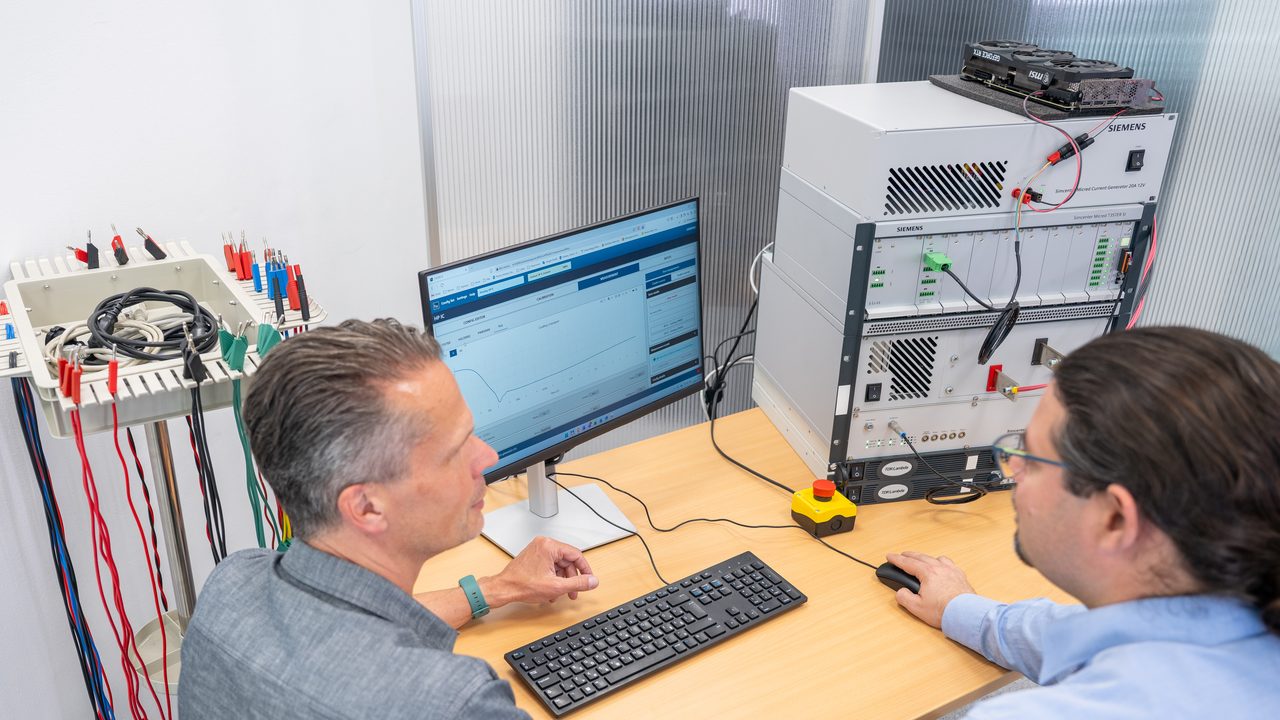
Simcenter MICRED current generator
Measure the devices driving the next generation of electronics
AI computing and GaN power electronics promise more performance from increasingly compact semiconductor systems. Realizing that potential depends on understanding how heat is generated, transferred and dissipated inside the device and its package.
The new Simcenter Micred high-power sensing current generator extends the reach of thermal transient testing to high-power ICs and low channel resistance GaN devices. It provides the current needed for high-fidelity measurement while building on the scalability, flexibility and integration capabilities of Simcenter Micred T3STER.
The payoff is practical: engineers gain trusted thermal data for evaluating design alternatives, understanding new semiconductor structures and calibrating predictive thermal models.
Characterize higher-power devices. Resolve low-resistancethermal behavior. Build more reliable semiconductor
designs with measurement data you can trust.
Learn more about Simcenter thermal testing solutions, below: