The future of mobility: Top 10 trends to think about when it comes to all things automotive

This picture of a brass-era Buick circa 1910 says a lot about mobility and the evolution of “the car”. Yes, our cars today look different and are radically more performant. But have cars truly changed? More than a century later, we are still talking about four wheels, seats and a steering wheel, some type of powertrain, and some nice-to-haves like flashy lights, fancy trim and a snazzy interior.
The opposite can be said for the mobility ecosystem, though. Mobility as we know it is clearly in a state of flux. So, what happens next? Well, that is a tough one, but here’s my Top 10 trends to watch… Feel free to dive into the topics that strike you.
1) Still a set of wheels
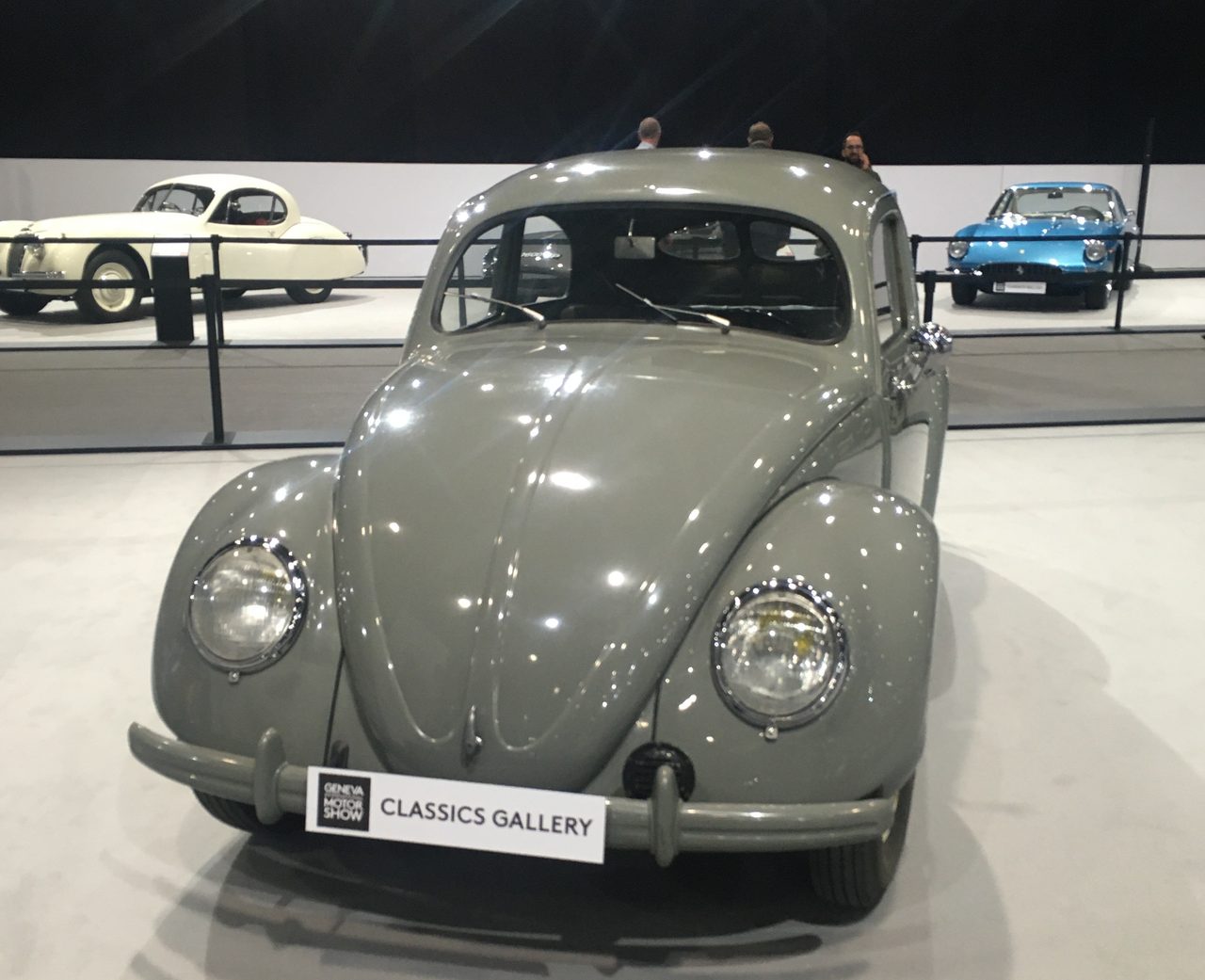
Affectionally known as the VW Bug, it became an icon of peace, individuality, and fun in the 1960s. My Mom had one in the early 1970s. It was known as a “good runner”, hitting 25 MPG or 9.40L/100km, which was impressive gas milage back then compared to my Dad’s Oldsmobile station wagon which was a “gas guzzler” weighing in around 12 MPG or 19.6L/100km. Still today, cars remain a means of transportation, getting you from A to B – even if most cars feature mod-con add-ons, like mood lighting, navi-systems, in-car entertainment, active safety systems, Pet mode…
_________
2) The fun-to-drive factor

Today, the 1000 Miglia is a five-day regularity rally for historic vintage cars. The 2026 route ran from Brescia to Padua to Montecatini Terme to Rome and then back towards Rimini and Brescia. So whether you are taking your family for a Sunday drive or planning on cruising the twisting hills of Tuscany during the 1000 Miglia, the car, for most drivers, still has entertainment value.
_________
3) The beauty of a well-engineered machine

Let’s face it. The car is still a status symbol or at least a conversation starter. From a tiny Zbee to the sublime Ferrari Amalfi in Verde Costiera (pictured) to a F1 race car, there is still something about a beautifully designed and engineered machine that lifts the spirit.
_________
4) Powertrain strategy and the new world of propulsion
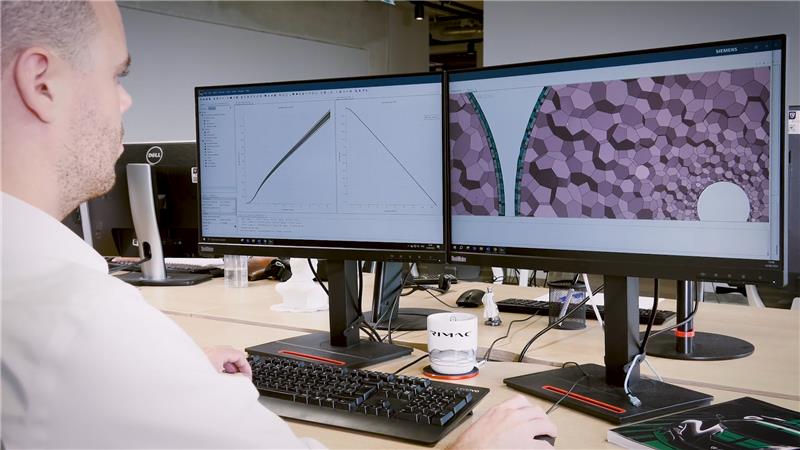
Simcenter helped with battery thermal management when Rimac Technology worked on the Bugatti Tourbillon.
The e-transition in mobility is here to stay and, because the OEMs have realized that pure EV is not a one-size-fits-all option, other alternatives are emerging rapidly. Just look at some of the major OEMs. BMW springs to mind, but Hyundai, Toyota and Honda are also in this club. Their powertrain strategies read like a Michelin-starred restaurant menu for petrol heads and eco-minded drivers alike: petrol, diesel, plug-in hybrid (PHEV), battery electric (BEV), and hydrogen fuel cell (FCEV).
_________
5) Next-gen drivers or not?
Driving licenses are on the decrease and this is affecting the mobility ecosystem. This didn’t even occur to me until I interviewed industry insider Pilar Zarzuelo Sanchez, Group Director, Engineering Excellence at Antolin, a leading Tier-1 automotive supplier from Spain that has successfully and globally embraced a digital transformation thanks to a little help from Siemens.
International trends point to 20% – 30% drops in young people with driving licenses compared to the 1980s and 1990s. Not to mention the decrease in individual car ownership. So why aren’t younger people getting their driving licenses and buying cars? The combined zeitgeist of social media interaction; ride-sharing and car-sharing services; the ease and convenience of Ubers and the like; dependable, cost-effective public transportation; an eco-mobility renaissance that includes bikes, e-bikes, scooters and commuter-grade pedelecs…the reasons are many. Plus, let’s face it – owning a car is expensive. With all this going on, it is no wonder Gen Z is not driving as much.
_________
6) The changing global automotive industry itself
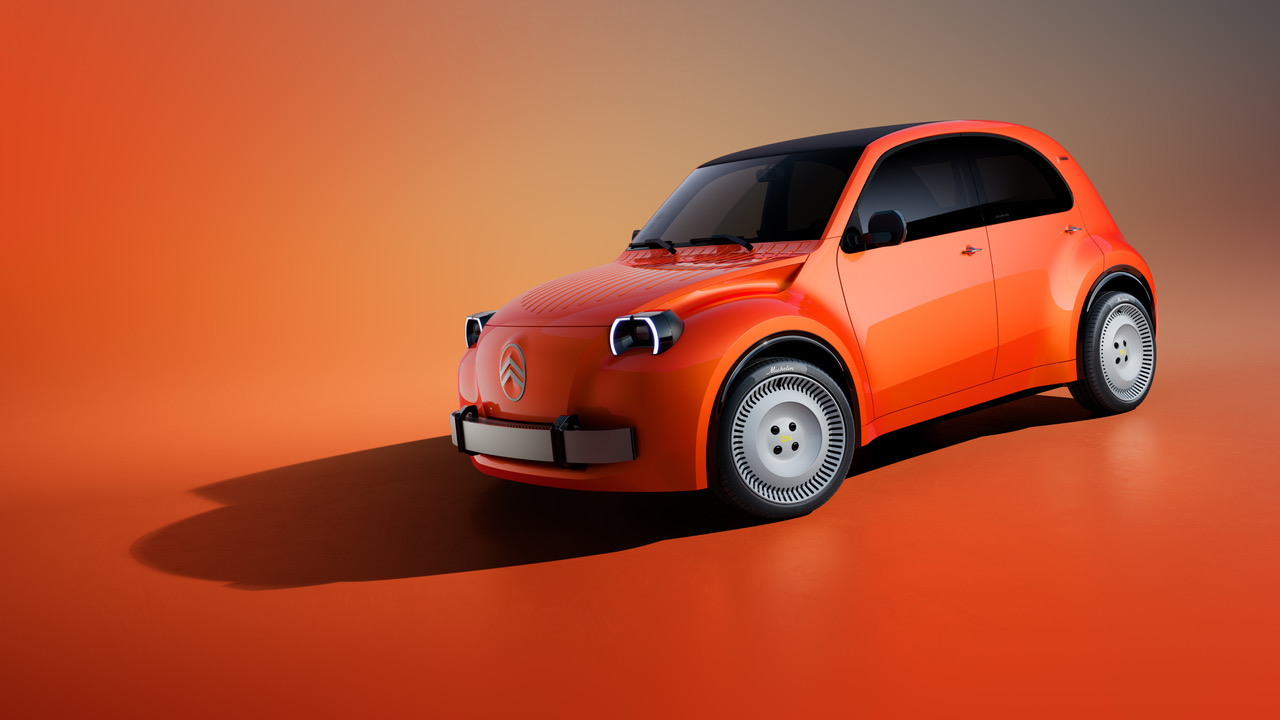
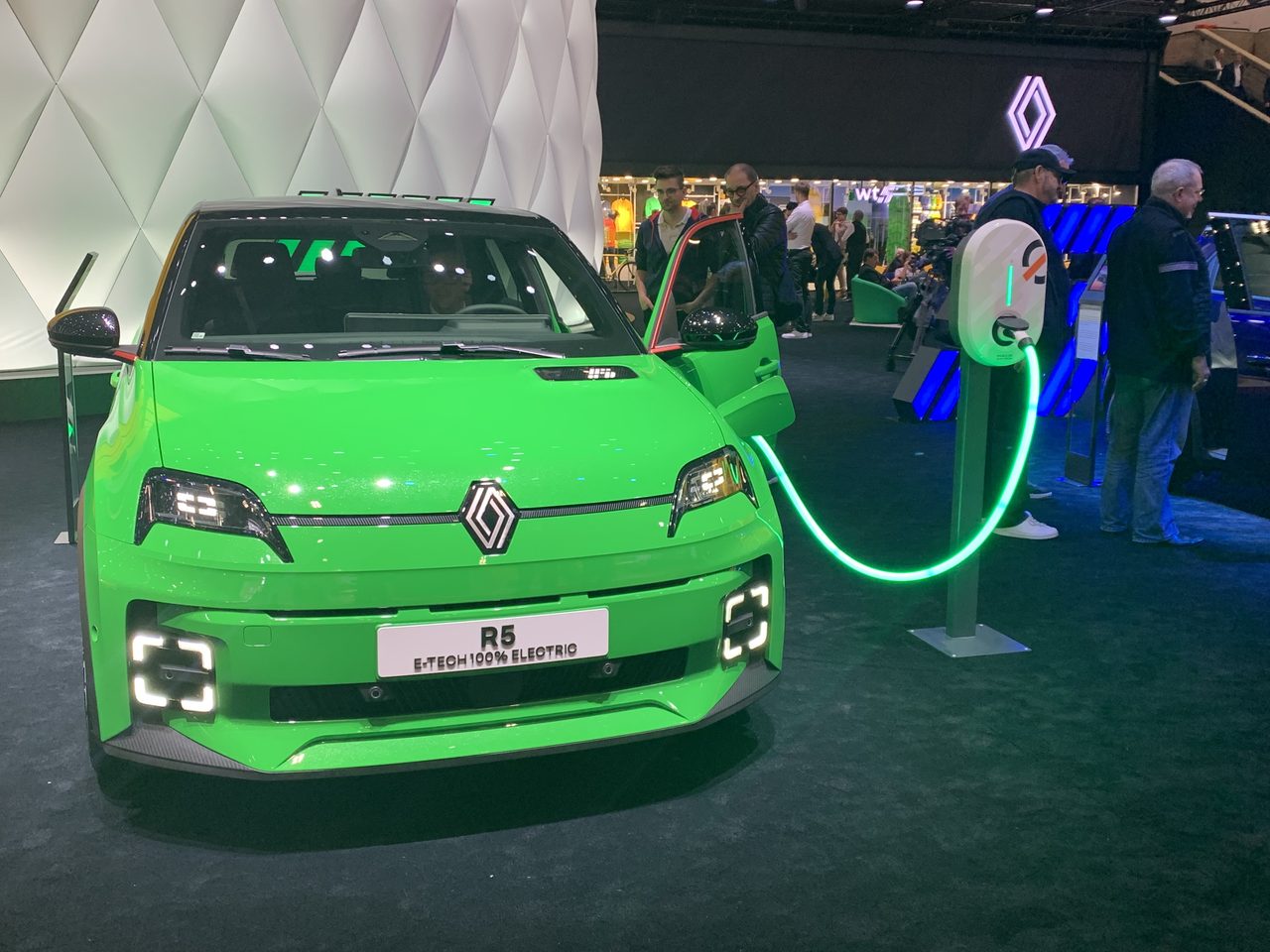
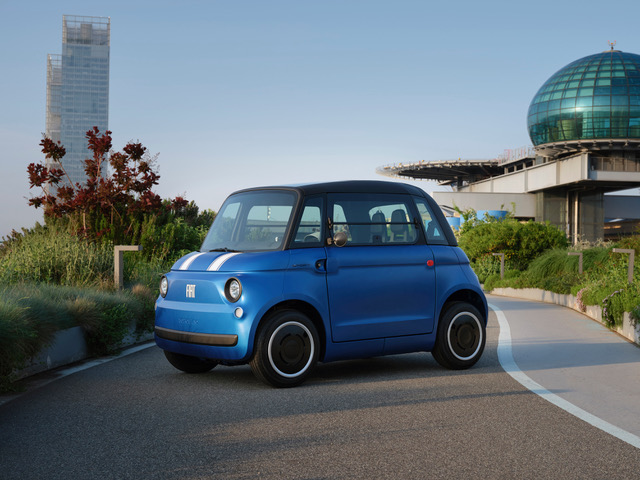
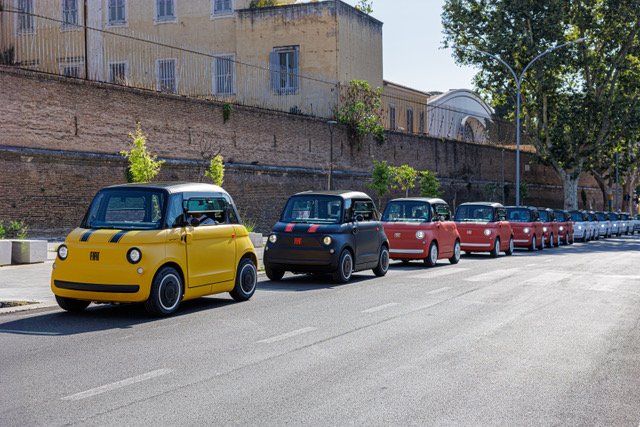
No need to get into the nitty gritty details, but the days of the combustion-engine sedan are certainly numbered. Today, many traditional European OEMs are reinventing with retro-inspired concepts and zippy EVs (see the new Citroën 2 CV concept, Renault 5 E-Tech and Fiat Topolino above). And the global automotive industry will continue to evolve as classic supply and demand economics combine with a complex combination of economic, societal and environmental factors. No doubt about it — the electric revolution is here to stay.
_________
7) Rise of the Red Sun or in other words: China
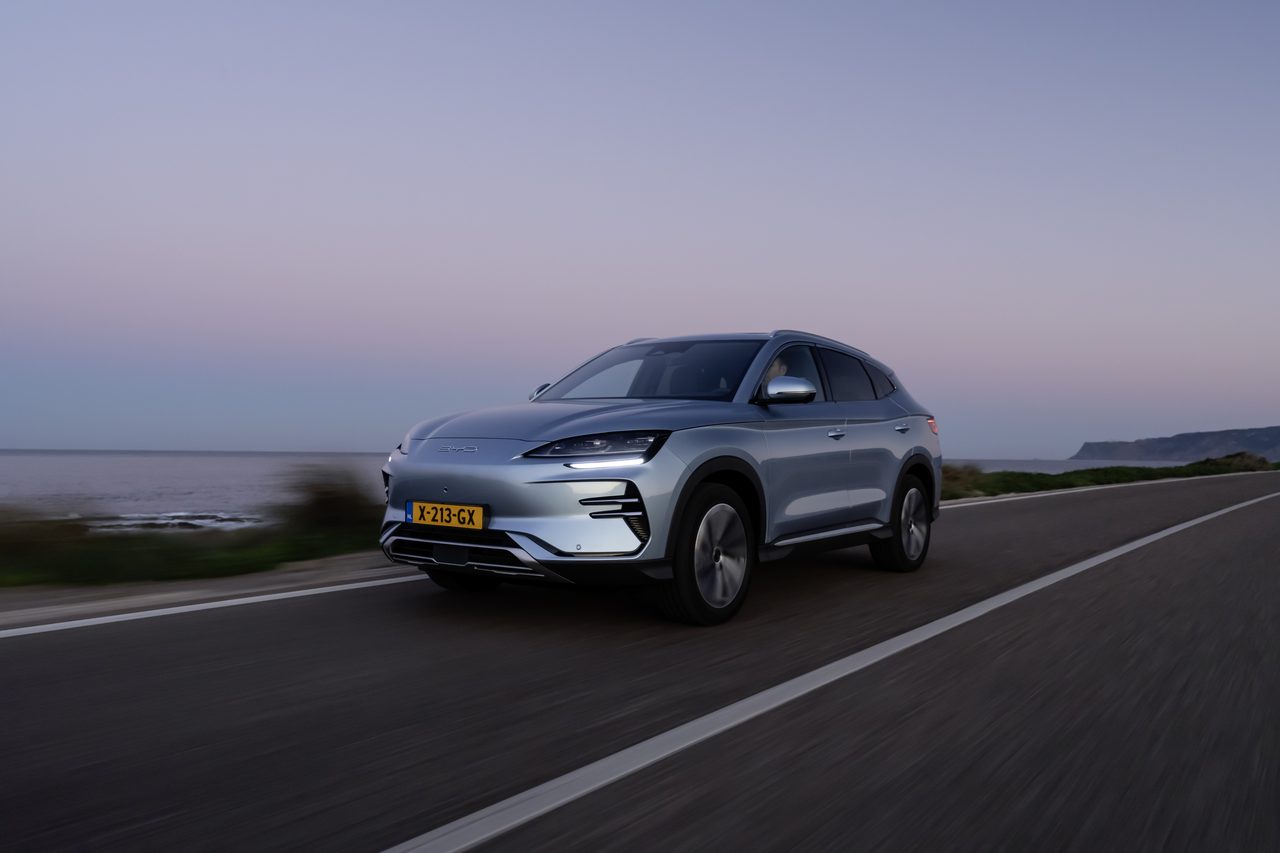
Although I am not 100% sure I’d buy one (one mustn’t forget my life-long admiration for all things German automotive when it comes to wheels), one must admit that the Chinese are making some damn nice EVs. We just had a BYD as a rental car and, boy, were we pleasantly surprised.
8) Massive EV improvements

Generally speaking, the average consumer is still EV hesitant. There are the battery efficiency and performance gaps (The Simcenter experts recently published a cool e-book about this.) Charging and range can still be problematic. Let’s face it, the price tag plays a role: EVs are expensive. That being said…there is light at the end of the tunnel.
_________
9) The digital factory
The automotive industry is historically known for grand gestures when it comes to innovation and has always been forward-thinking. We can start with Henry Ford and his vision to create a mass production line for the Model T, reducing assembly time from 12.5 hours to a stealth 93 minutes in 1913. Today is no different. The automotive industry is adopting digitalization on the factory floor on a grand scale. But don’t take it from me. Take 5 minutes to watch the above movie from industry insider, Dr. Gerd Esser.
_________
10) AI and the Digital Twin
And it is not just on the factory side of things where we are finding rapid-fire innovation in the mobility ecosystem: the product, in this case — the car design itself — is undergoing a revolution due to the convergence of CAD and CAE as well as AI.
And this trend is not only happening in automotive. Across many industries from marine to aerospace, engineers and experts are seamlessly working between design-driven models and engineering-driven models thanks to connected tools in the Siemens Xcelerator portfolio specifically Designcenter and Simcenter.
And with the recent integration of Simcenter PhysicsAI into the portfolio, engineers can now evaluate hundreds of simulation options faster than ever before with near-instantaneous field predictions up to 1,000 times faster than standard solvers.
_________
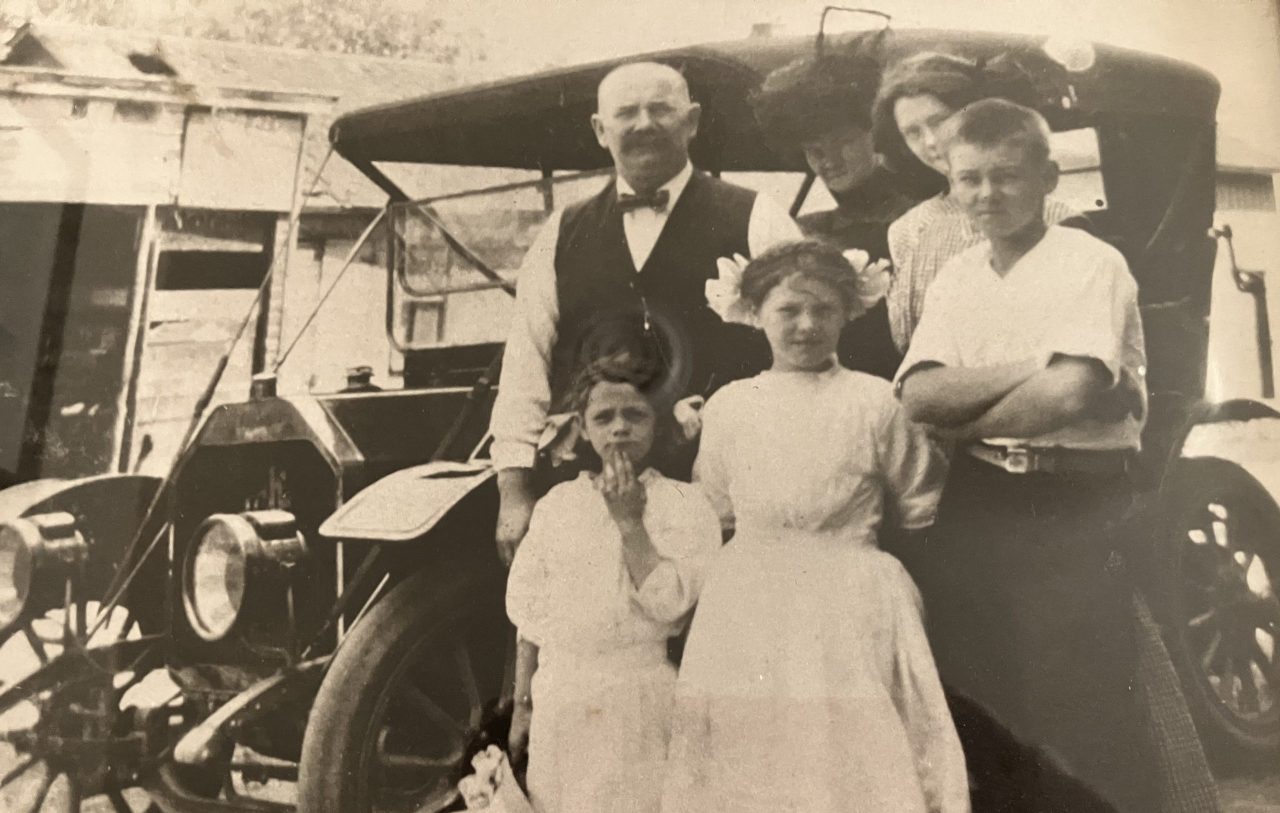
Before I go, just a little aside about the original inspiration for this “Future of Mobility” blog. I stumbled upon the old black and white pictured over the summer. It is actually my great-grandfather and family with their (circa) 1910 Buick Model 10 Touring. In the family, we had always referred to the car in the picture as a Model T, but I took a look and said, “No way.” It looked too fancy to be an early Model T (no offense to Henry Ford, of course). After a couple of funny asides and wrong turns, AI helped identify it as a Buick – one of the best-sellers around that time.