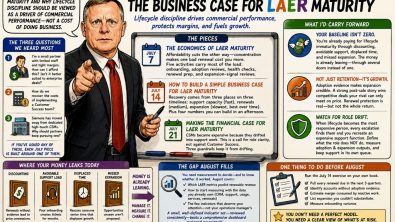
Renewals are at the core of SMB SaaS success

In the fast-paced world of software-as-a-service (SaaS), ensuring sustainable growth is a challenge, especially for small and medium-sized businesses (SMBs). While acquiring new customers is vital, retaining existing ones through an effective renewals function is equally, if not more, important. Renewals significantly impact financial stability, reputation and scalability. Today, we will explore the strategic importance of renewals, key components of a strong renewals function, common challenges SMBs face and actionable steps to boost renewal rates.
Four reasons why SaaS renewals matter
- Maximizing Customer Lifetime Value
Customer Lifetime Value (CLV) is a core metric that reflects the revenue generated from a customer over time. Renewals extend customer subscriptions, directly increasing CLV. Predictable revenue from renewals supports long-term growth and planning. Renewal Sales Representatives and Customer Success Managers (CSMs) collaborate to ensure customers consistently find value in the product.
- Reducing Customer Acquisition Costs (CAC)
Retaining customers is significantly more cost-effective than acquiring new ones, which can be five to seven times more expensive. A robust renewals function maximizes the return on customer acquisition investments, improves profit margins and fosters seamless renewal experiences through strong collaboration between CSMs and sales teams.
- Driving Profitability and Scalability
Renewals provide stable revenue and open opportunities for upselling and cross-selling. High renewal rates indicate customer satisfaction, fostering referrals and organic growth. For SMBs, scalability relies on such predictable and sustained growth.
- Building Trust and Customer Advocacy
Strong renewals hinge on understanding customer needs, ensuring consistent value delivery and maintaining proactive communication. When customers view their CSMs as trusted advisors, they are more likely to renew and advocate for the brand.
Key Components of a Strong Renewals Function
People: Building the Right Team
An effective renewals function starts with skilled individuals:
- Customer Success Managers (CSMs) ensure customers gain maximum value from the product and help mitigate risks before renewals.
- Renewal Sales Representatives focus on contract negotiations and resolving customer concerns, working closely with CSMs to maintain satisfaction.
- Account Managers drive upselling and cross-selling during the renewal process, addressing customers’ evolving needs.
- Support Teams ensure technical issues are quickly resolved to prevent disruptions that may jeopardize renewals. Proactive technical support is equally important, as it helps identify and address potential issues before they become major problems, ensuring a seamless customer experience. The renewals team is the backbone of any retention strategy.
Processes: Streamlining Workflows
Efficient processes are essential for renewals success:
- Proactive Communication: Engaging customers well before renewal dates, conducting quarterly business reviews (QBRs), and addressing issues early helps drive satisfaction and commitment.
- Customer Health Monitoring: Metrics such as Net Promoter Scores (NPS) and feature adoption rates help assess renewal readiness.
- Personalized Outreach: Using customer data, AI tools can automate and tailor communications, increasing engagement.
- Feedback Loops: Collecting timely feedback during key customer journey points allows businesses to address pain points and improve the overall experience.
Technology: Leveraging the Right Tools
Technology plays a crucial role in scaling renewals efforts:
- CRM Platforms (e.g., Salesforce, HubSpot) consolidate customer data and streamline communication.
- Customer Success Platforms (e.g., Gainsight, Totango) offer analytics to track customer health and renewal readiness.
- Automation Tools help manage reminders and follow-ups efficiently.
- Analytics and Reporting Tools provide actionable insights to refine renewal strategies.
Challenges in Managing Renewals
Despite the clear importance of renewals, SMBs face several obstacles:
- Resource Constraints: Smaller budgets and teams make it hard to allocate dedicated resources for renewals. Automation and cross-training staff can help mitigate this issue.
- Data Silos: Poor data integration hampers insights into customer behavior and risks. High-quality, centralized data is essential for effective decision-making.
- Churn Management: High churn rates often result from poor onboarding, unmet expectations, or insufficient support. Proactive churn management is vital to minimize such risks.
- Scaling Complexity: Growing customer bases demand personalized engagement, which can strain limited resources. Automation must balance scalability with maintaining a personal touch.
Improving Renewal Rates
SMBs can enhance renewal rates with these actionable steps:
- Invest in Customer Success: Establish a dedicated or hybrid team with clear roles for managing renewals.
- Implement Proactive Processes: Prioritize early engagement, personalized communication and continuous value delivery.
- Leverage Technology: Use advanced tools to monitor customer health and streamline renewals management.
- Focus on Onboarding: Ensure customers are set up for success with comprehensive onboarding and training.
- Measure and Adapt: Regularly analyze renewal metrics, identify trends and adjust strategies as needed.
Conclusion
A robust renewals function is indispensable for SMB SaaS businesses seeking sustainable growth and profitability. Renewals maximize customer lifetime value, reduce churn and create a stable foundation for scalability. By focusing on skilled teams, efficient processes and the right technology, SMBs can overcome challenges, achieve impressive renewal rates and position themselves for long-term success.
To learn more about SaaS Renewals, please visit the Partner Academy Renewals page on Highspot.