Separating the wheat from the chaff: NVIDIA GPUs and Simcenter unlimited accelerate engineering innovation
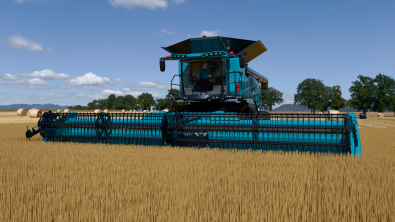
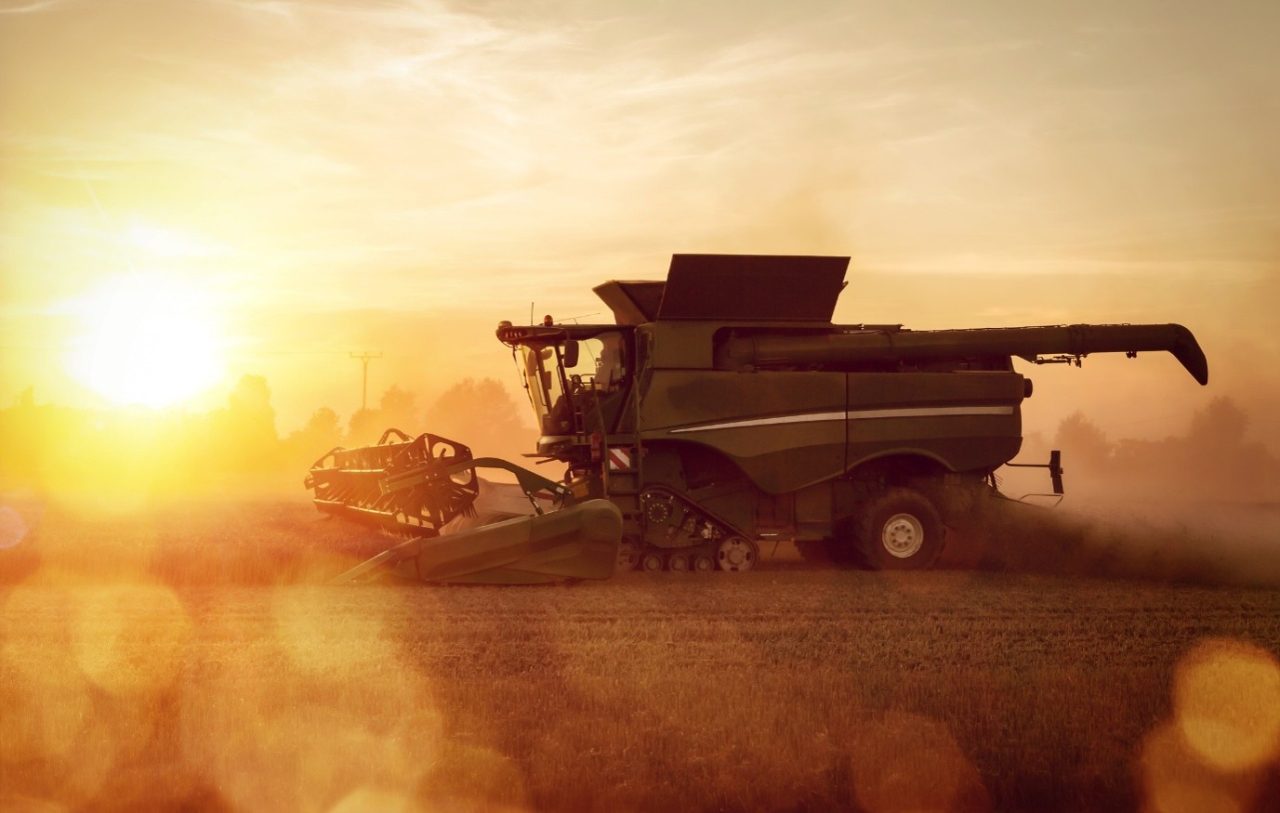
The sun beat down on the golden expanse of the Central Valley, pushing ambient temperatures past 40°C. Inside the sealed cabin of the AgroTech X9000 Harvester, however, it was a comfortable 22°C.
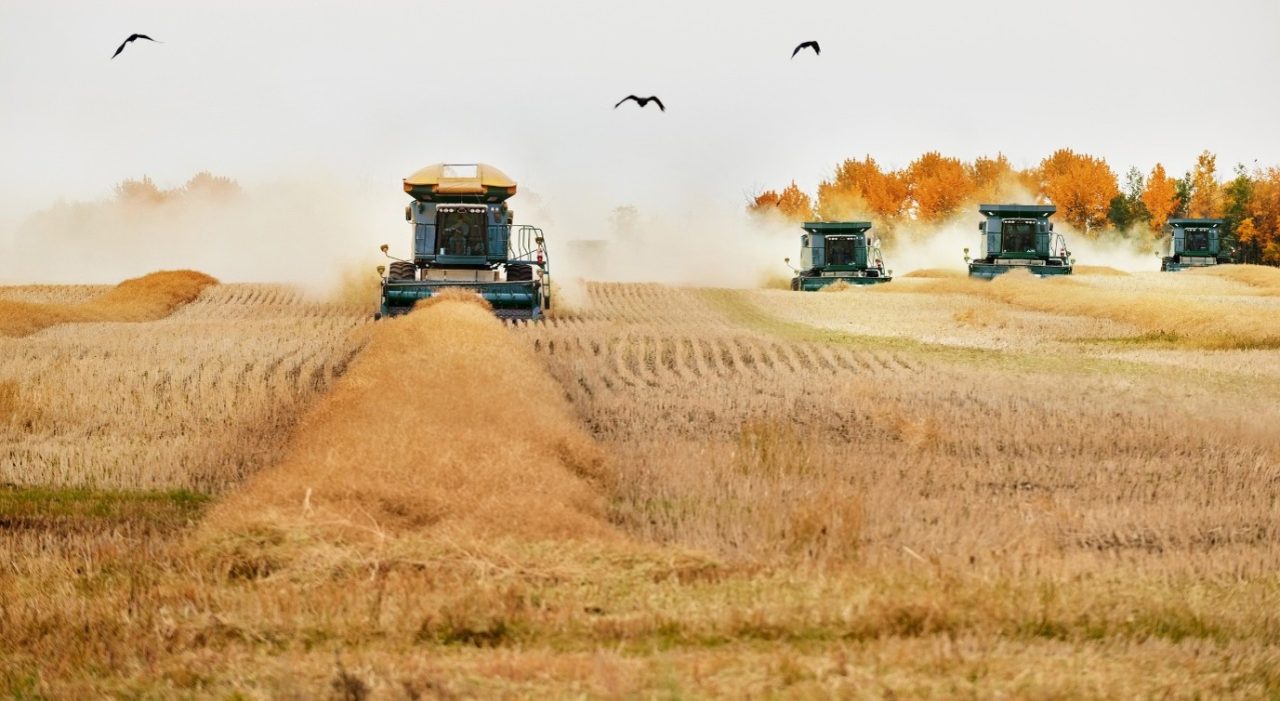
Rodriguez, an agricultural contractor with twenty years behind the wheel, wiped a speck of dust from his console. On a brutally hot day like today, he would usually be fatigued, drenched in sweat, and fighting cabin vibration by mid-afternoon. Instead, his only focus was the clean, steady flow of crops moving through the separator and into the grain tank. The cabin was whisper-quiet. The hydraulic controls responded instantly.
Rodriguez smiled and tipped his hat to the horizon.
If CAE can’t inform design decisions in real time, why does it matter?
Three years earlier across the Atlantic, a young lady in her mid-twenties stood at the head of a conference table in AgroTech Dynamics’ design review room somewhere in the south of Germany. Her laptop was still connected to the projector. On screen: a stunning thermal map of the cabin interior—reds and blues showing heat distribution, air circulation patterns, and comfort zones across the harvester’s cabin.
Six weeks of computation on their aging HPC cluster. Hundreds of CPU hours. Meticulous validation using Simcenter STAR-CCM+. It was her first real engineering job, it was her first project after university, it shall become the basis of her PhD, hopefully. Her hands were sweating, as nothing happened, for a moment that felt endless.
The lead designer glanced at his watch, then back at the woman. “This is excellent work, Mrs. Becker. Really impressive. But we finalized the cabin geometry three weeks ago. We’re already in tooling.”
The room went quiet.
Katrin Becker felt something shift inside her—the weight of a question she’d been avoiding: If CAE can’t inform design decisions in real time, why does it matter?
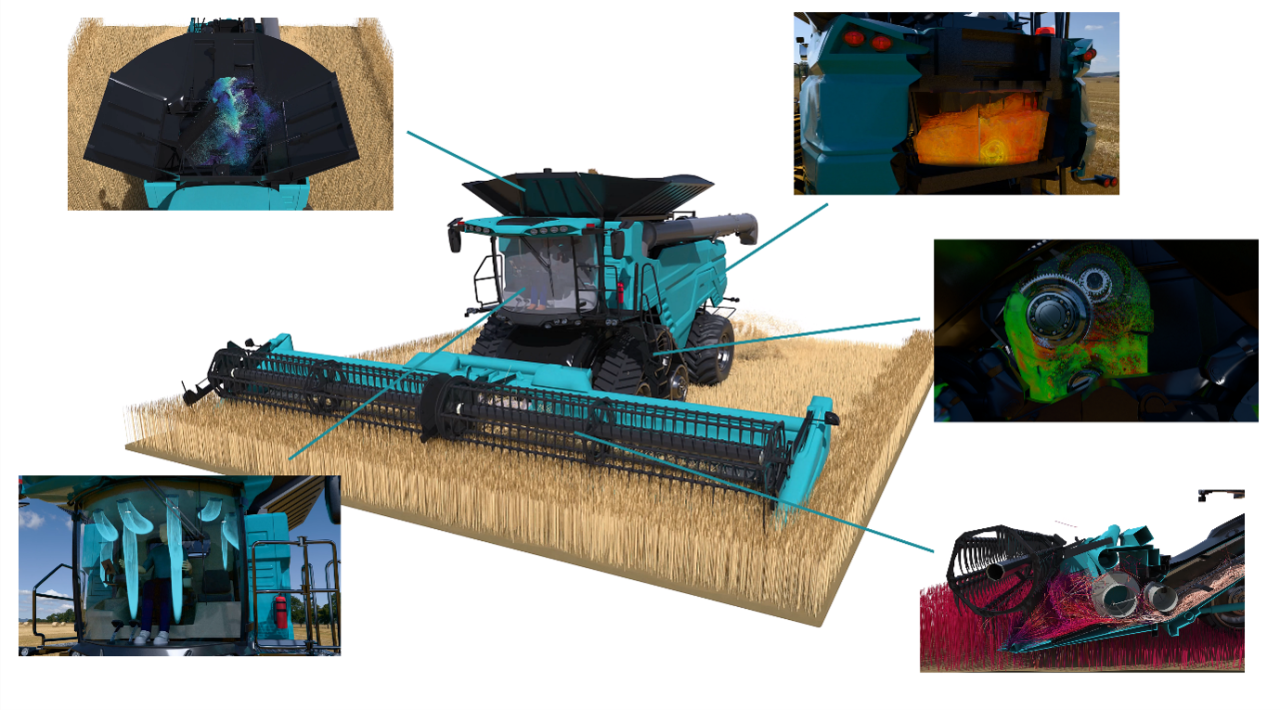
The problem wasn’t her competence. Her thermal comfort CFD was technically flawless. The problem was timing. Her simulation workflow didn’t fit the product development cycle. Two to three weeks for a thermal comfort analysis. Two to three days for particle separation modeling of the harvesting process. A couple of days for fuel tank sloshing. And another day for gearbox lubrication – despite already using meshfree technology, SPH.
By the time results arrived, the design team had moved on.
Engineered to perfection
Back in the Central Valley, Rodriguez stepped down from the cabin, wiping his brow. His shirt was barely damp. His hands were steady. His mind was clear. On any other machine, on a day like this, he’d be exhausted by now. Mistakes would be creeping in. The afternoon push would feel impossible.
But not today.
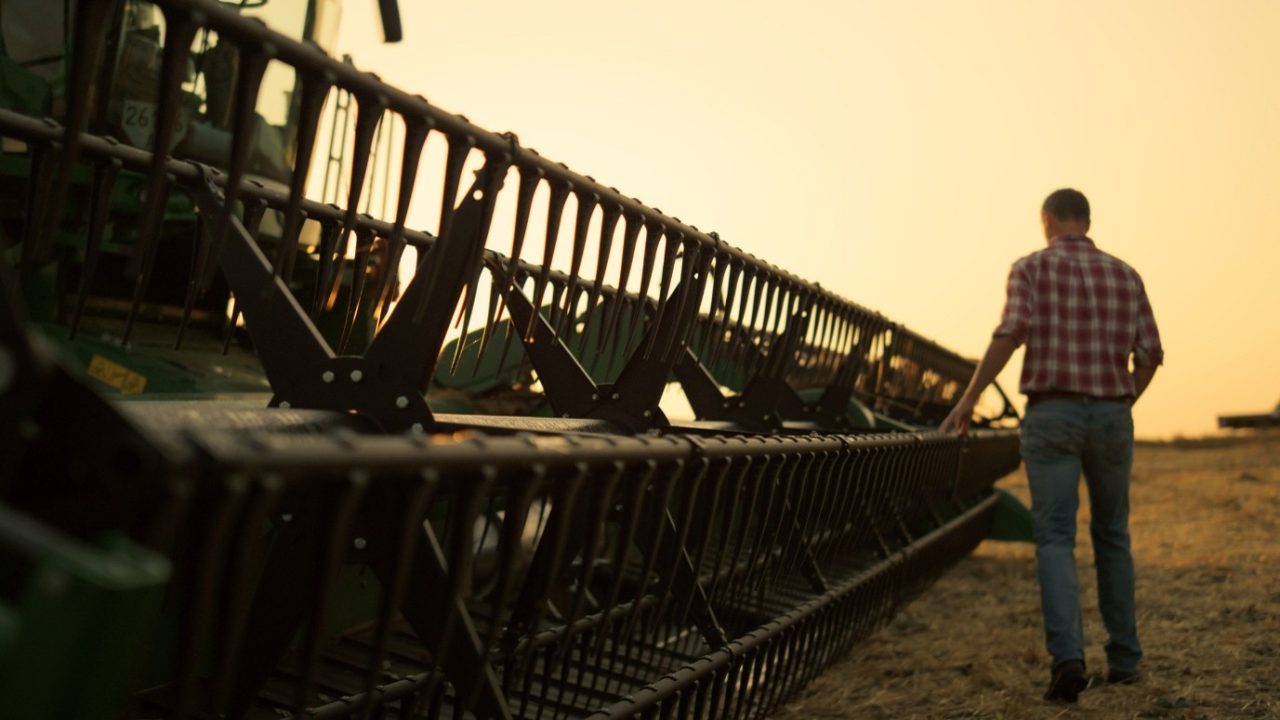
He walked around the AgroTech X9000, running his hand along the grain tank. Smooth. No visible stress marks. No dents from the violent sloshing he’d grown accustomed to in older machines. The tank had absorbed a full day of harvest without complaint.
He smiled and tipped his hat to the horizon. Somewhere, someone had engineered this machine to perfection.
Simulation in a box
Three years earlier. An Exhibition floor in Berlin. Three months after the failed thermal comfort presentation, Katrin found herself wandering the exhibition floor at NVIDIA’s GTC conference in Berlin. She’d been fighting hard back home to get here—a chance to network, see what’s going on in the compute and CAE space, and how AI will change the engineering world, pretending everything was fine. The hall was crowded with booths showcasing the latest in accelerated computing. Katrin drifted past vendor after vendor, her mind elsewhere, feeling her PhD drifting away, until she noticed a crowd gathered at the Siemens booth.
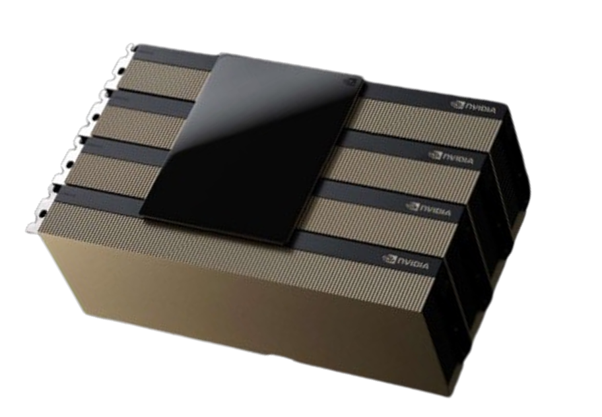
On the large display screens, next to a fancy enlightened box of the size of a typical desktop workstation. As she came closer, she reckoned the machine stuffed with some cutting-edge NVIDIA GPUs, a simulation running on that very thing in real time: moving closer, Katrin recognized it was a cabin thermal comfort analysis in Simcenter STAR-CCM+, just like the ones she is most of the time waiting for back at home. The iterations kept on coming in, the residuals kept on dropping, the stunning real time visualization smoothly updating as the cool air kept on gently surrounding the mannequin.
The engineer at the booth glanced at his watch—5:15 PM.
“This one started this afternoon at 3 PM,” he said to the crowd. “Watch the runtime counters.”
Katrin stepped closer. The thermal comfort CFD in Simcenter STAR-CCM+ showed 2:15 hours elapsed.
“By tomorrow morning at 5 AM,” the engineer continued, “this fully transient run will be complete. Fully converged. Ready to inspect. Not sure if I will be up by then, though…”
Katrin’s stomach dropped.
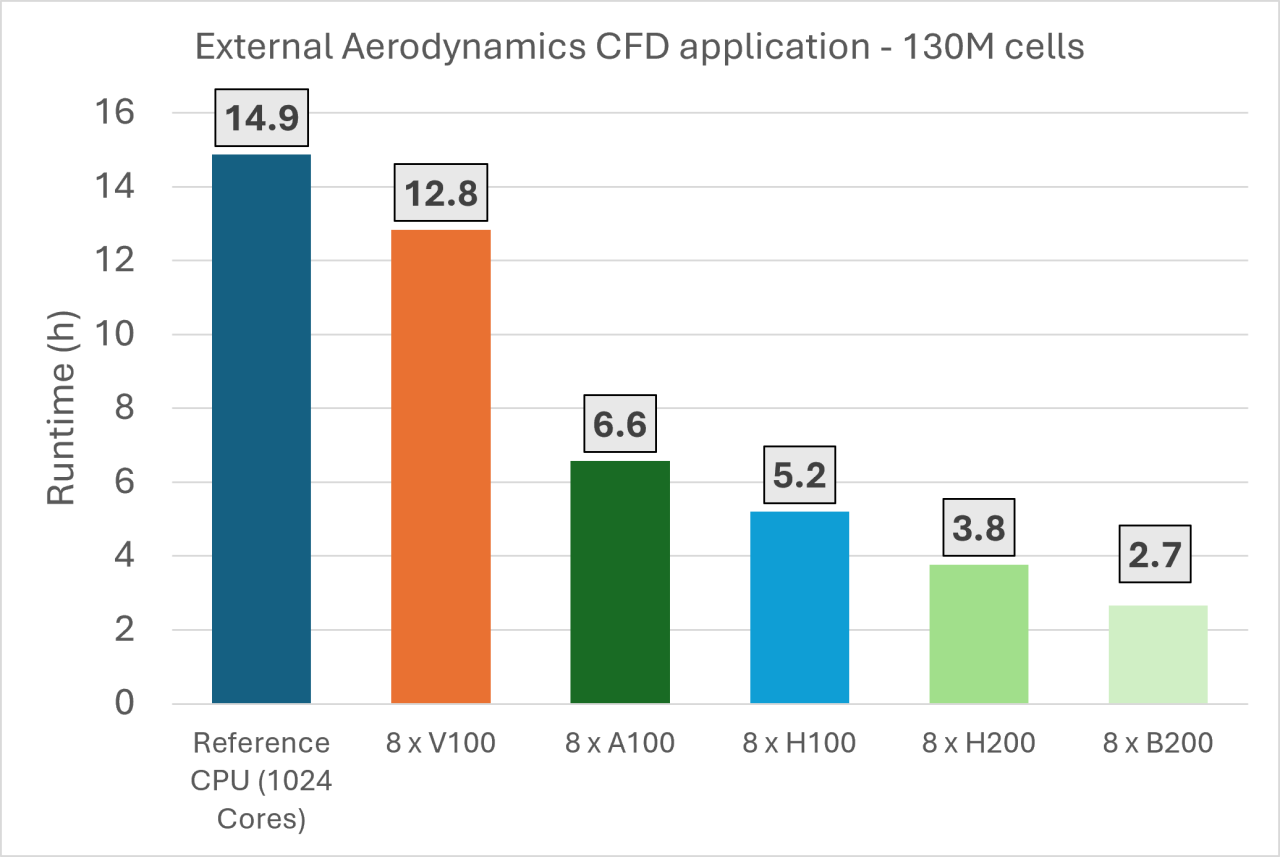
She watched the simulations progress. And it was clear this is not just for this one application. Meanwhile, the screen showed the evolution of runtimes for an external aerodynamics simulation over the last few generations of GPUs:
She did a rough estimate: What would normally take her 2–3 weeks on legacy HPC for thermal comfort. What would normally consume 4-5 days for particle separation. What would normally demand at least a day for fuel tank sloshing. It would be overnight, in a couple of hours, in a couple of minutes even, maybe.
The Simcenter engineer noticed her staring. “GPU-native solvers in Simcenter STAR-CCM+ and Simcenter EDEM,” he explained. “Eight NVIDIA GPUs in a turnkey appliance -we call it Simcenter Unlimited. No infrastructure to build. Sits on-site. Full data sovereignty. What takes you weeks on legacy HPC? Overnight. Your particle simulations? Couple of hours. Smoothed particle hydrodynamics? Well, you gotta be quick, grabbing your coffee before it finishes.” Just confirming what she had just estimated.
For the first time in months, Katrin felt something shift—not resignation. Possibility.
She spent the next hour asking technical questions, watching the simulations progress, understanding the architecture. By the time she left the booth, she’d made a decision.
Separating the wheat from the chaff
Back in the Central Valley, Rodriguez moved to the separator, watching the harvested grain flow into the tank with precision. Twelve percent more efficient than last year’s model. He’d run the numbers three times to be sure. In a single day, he’d covered more ground than he typically did in a day and a half. The cropping was clean. The transport smooth. The separation of wheat from the chaff so efficient that waste was minimal.
He’d never finished this fast. Not like this.
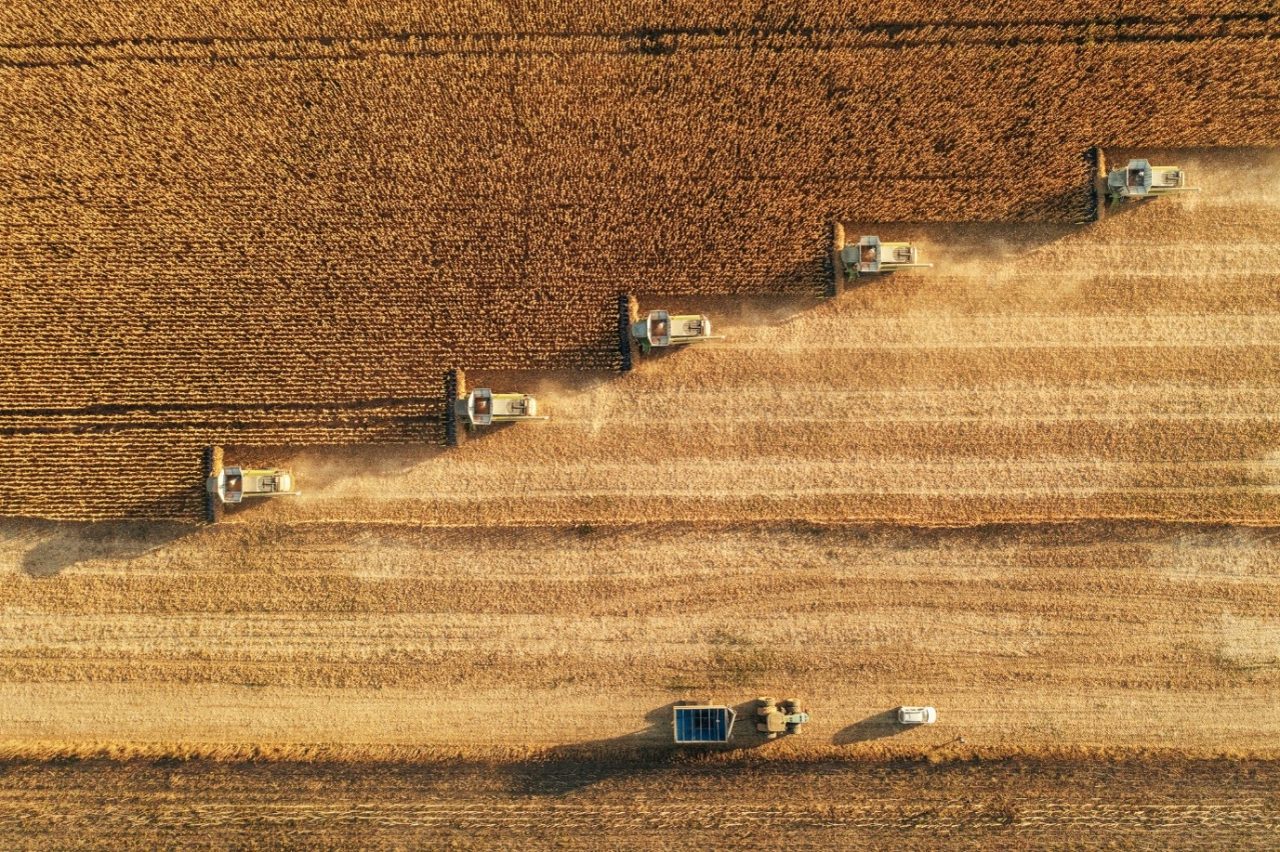
He checked the fuel gauge. Still three-quarters full. The gearbox temperature indicator showed a comfortable 65°C. On other machines, it would be pushing 85°C by now, the lubrication film breaking down under stress.
He shook his head in amazement. Someone had thought of everything.
The Pitch
Three Years Earlier. AgroTech. Southern Germany. Katrin scheduled a meeting with Marcus, her manager.
She brought benchmarks, cost analysis, performance data. But mostly she brought a vision: “If we deploy Simcenter Unlimited now, my next thermal comfort analysis with Simcenter STAR-CCM+ is ready by 8 AM, maybe 5 AM – but who wants to get up that early”, she joked, “instead of three weeks. Particle separation with Simcenter EDEM overnight instead of 4 days. Fuel tank sloshing a few hours and gearbox lubrication SPH, well watch it solve.”
She leaned forward. “Look Marcus, we’d have results during the design phase. Not after. We’d be strategic partners in product development, not post-mortem analysts.”
Marcus listened carefully. She could see him calculating—capital cost, risk, learning curve. “This is a big bet, Katrin. What if it doesn’t work as advertised?”
“Well, I had the chance to run some tests. So, I did my homework. Look at the numbers:”
“Wow! That is…”
“Impressive, right. It would change everything; it would change how we operate. We would make a real impact.”
Marcus was quiet for a moment. Then: “Let me talk to leadership.”
Six weeks later, a Simcenter Unlimited appliance arrived in AgroTech’s engineering lab.
Katrin ran her first particle simulation with Simcenter EDEM on the new system. She submitted the job by afternoon—a complex model of wheat cropping, transport, and separation through the harvester’s separator geometry. Just as planned the next morning, the results were ready. Well, they finished close after midnight, but why would get up that early, anyways. Instead, they quickly optimized their run scheduling routines, so that the box would never sleep. Quickly they would setup and run an entire design exploration study – fully automated, rapidly solved on that little humming box, right next to her.
The simulation revealed a 12% efficiency improvement through geometric optimization of the separator that would have been missed if the computation took three weeks.
To be on the safe side, she ran some additional sensitivity studies that same night. By the next morning, the design team had new parameters to work with. Because the analysis informed the decision, not documented it.
This machine wasn’t just engineered
Back in the Central Valley, Rodriguez stood beside the grain tank, running his hand along the smooth interior. The baffles were perfectly designed. The sloshing load distributed evenly. No violent shocks. No stress on the structure. He closed his eyes for a moment, feeling the cool cabin air on his face, listening to the whisper-quiet hydraulics.
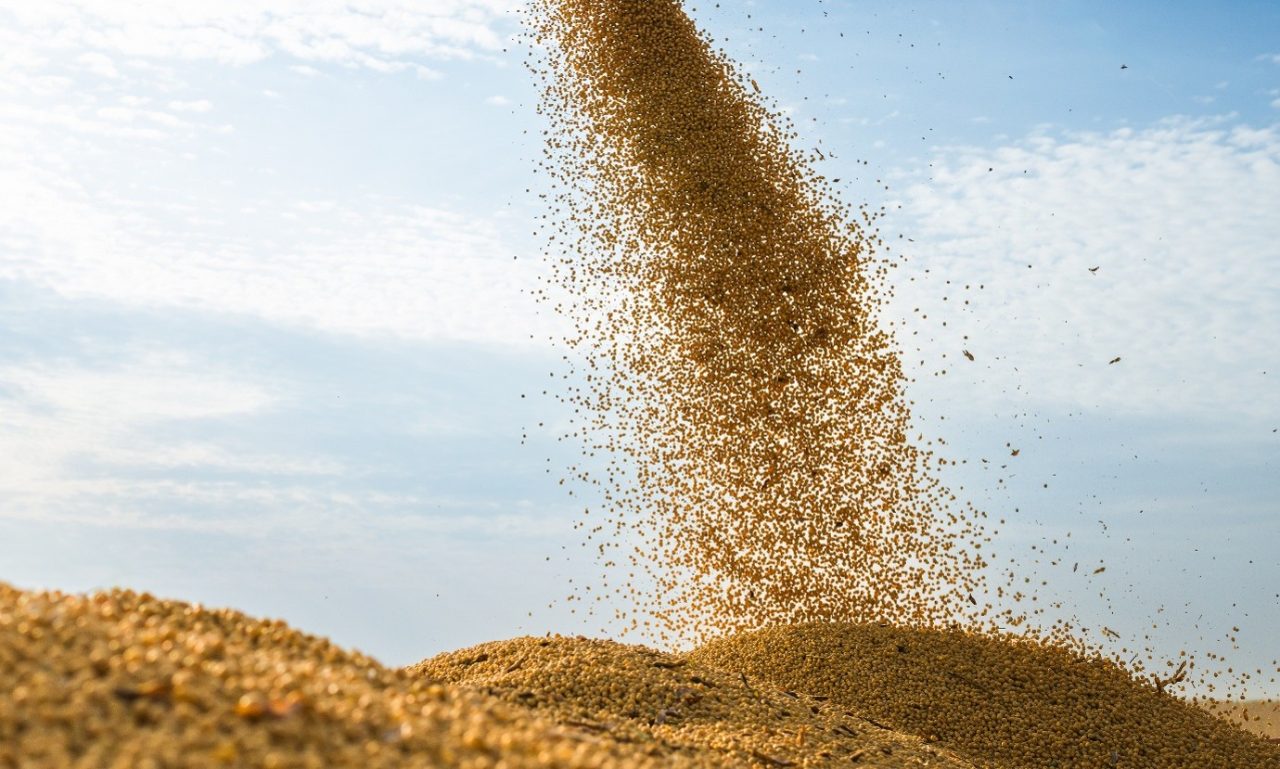
This machine wasn’t just engineered. It was perfected.
Sloshing timelines
With the rack of incredibly fast and efficient NVIDIA GPUs in place and the GPU-native solvers running at full throttle the CAE results kept on flowing like the grains.
The gearbox lubrication SPH study came next. In no time the results revealed material selection optimizations that would keep the gearbox running cool and quiet even under peak load.
Then the fuel tank sloshing dynamics, one design candidate after the other, completed overnight in Simcenter STAR-CCM+, revealing optimization potentials that reduced sloshing and stress without adding weight.
For the first time in her career, Katrin wasn’t sitting on the sidelines. She was in the room. She was shaping the product.
Her team’s insights shaped every detail of the AgroTech X9000. The cabin geometry. The tank baffles. The gearbox materials. The mower, the conveyors, separator geometry. All informed by physics-based simulation, hundreds if by now not thousands of them, running with half the energy consumption, running in hours, not weeks.
The Convergence
The field validation was in full progress and the company had given Katrin the opportunity to come over to the States to see the first of its kind fleet in action in the large on-field validation campaign. It was her moment to see the real-world impact of her work, beyond the conference room, the exhibition hall, the screens, and the simulation results. Wanting to know if the numbers actually translated to something that mattered.

Now, on this brutally hot harvest day in the Central Valley, Katrin stands beside Rodriguez’s AgroTech X9000, watching the machine at work. Seeing the committee engineers and project managers Rodriguez stops the engine. He steps down from the cabin, wiping his brow.
“How’s the machine treating you?” Katrin asks.
Rodriguez grins. “Best cabin I’ve ever worked in. Even on a day like this. And the grain tank—smooth as silk. No shocks, no stress. The separator pulls more grain than any machine I’ve run. Less waste, faster work. The gearbox runs cool and quiet. I’ve never finished a day this efficiently.”
Katrin feels something shift in her chest—vindication, yes, but something deeper. Purpose.
Rodriguez extends his hand. “I’m Rodriguez. Agricultural contractor, twenty years in the field.”
“Dr. Becker. But call me Katrin,” she says, shaking his hand.
“So, Katrin,” Rodriguez says, “what brings you here, by the way?”
Katrin smiles. “Well, let’s say I was a little involved in this machine.”
Rodriguez’s eyes widen. “You’re… you’re one of the engineers?”
“CAE lead, actually,” Katrin says. “Computational Fluid Dynamics. Thermal comfort, particle cropping and separation, fuel tank dynamics, gearbox lubrication, almost anything on this machine actually…”
Rodriguez looks back at the harvester, then at Katrin, then back at the machine. “You did this? You made this?”
“Well, not alone,” Katrin says. “But yes. My team and I were running hundreds of simulations to get every detail right. And in all fairness -with the help of some NVIDIA GPUs and some outstanding simulation tools.
“CAE, Simulation, GPUs,…” Rodriguez stares at her.
“Well, let’s say, we did a bit of work, so, you could be most comfortable and efficient on a day like this.”
Rodriguez is quiet for a moment. Then he looks at the horizon, at the golden expanse of the Central Valley, and after he pats the machine that’s carried him through the most efficient harvest of his career, he comes over to Katrin
“Thank you, Dr. Katrin Becker”

If your CAE team is struggling with the same gap—brilliant analysis that arrives too late to matter—it might be time to ask: What if simulation results could inform decisions overnight instead of weeks?
Simcenter Unlimited is designed for exactly this challenge. A turnkey, GPU-accelerated simulation appliance that brings CAE back to the strategic center of product development. With Simcenter STAR-CCM+ and Simcenter EDEM and many more Simcenter applications running on cutting-edge NVIDIA GPUs, your team can deliver physics-based insights when they matter most.