Image of Xpedition software showing manufacturability verification

PCB design best practices: manufacturability verification or design for manufacturing analysis

What is design for manufacturing analysis? Design for manufacturing (DFM) analysis is manufacturability verification within the design process. It incorporates…

What is DFM and DFA?

DFM and DFA are relevant to almost any product be it assembling bicycles where primarily the product is mechanical components to electronic devices such as cell phones, routers, and computers which require both mechanical and electrical components. The primary focus of this blog will be PCB Design through PCB Fabrication and PCB Assembly within the electronic realm and how it relates to DFM and DFA.

Rigid-Flex Material Considerations

Flex and rigid-flex designs refer to a PCB that is partially or entirely constructed using flexible rather than exclusively rigid…

What’s New in Valor NPI 2305

Valor NPI has recently been updated with version 2305. Included within are many of the revisions and feature updates for this latest version of the software

new features for stackup planning

What’s New in Z-planner V2023.1

Z-planner V2023.1 builds on previous versions by enhancing rigid/flex useability, tighter integration with Xpedition and HyperLynx and the addition of more Mil-Aero materials to the dielectric materials library.

PCB Material Selection

6 material properties that can save you money when designing your PCB stackup

Introduction Stackup decisions are critical to every PCB and electronic product, but they don’t always get the attention that they…

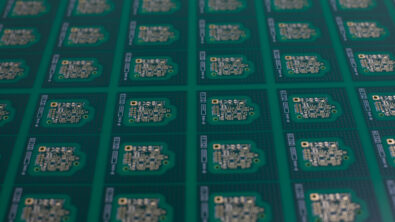
Completed PCBs

Optimizing PCB DFM Guidelines

Typical DFM checklists assume the use of legacy DFM formats. In a world where much of our data transfer is becoming intelligent and seamless, why are we relying on designs from 60 years ago?

Making Parts Part of Manufacturing Driven Design

When it comes to PCB assembly level MDD, many designers have not concerned themselves with the component manufacturing Bill of Material (BOM). Designers work from a CAD library that has component libraries associated with internal part numbers (IPN) their company uses. The CAD Design Rule Checking software uses those CAD library shapes for its analysis and even, in some cases, the avoidance of where components are placed. There is nothing wrong conceptually with this mentality. However, like all things, the details matter.

Image that says Why you should attend User2User - North America

Why you should attend User2User – North America

This one-day Siemens EDA User Group Meeting at the Santa Clara Marriott on Thursday, April 13th is your opportunity to…