Solder strength testing and validation

Strengthening PCB Solder Connections

To increasing the overall solder strength within a PCB design, designers should be focusing on two distinct but related factors: The material composition of the solder, and the pad and footprint layouts for individual components. The composition of the solder itself will depend upon the application of the board, the components, construction method and materials within the board, and the overall final board quality. The overall footprint of the component will be dependent upon the components within a BOM and the recommended assembly guidelines of your assemblers. Both of these factors rely on discussions and interactions with your assembly house and leaving these discussions until after the design has been released ultimately limits your assembly options.

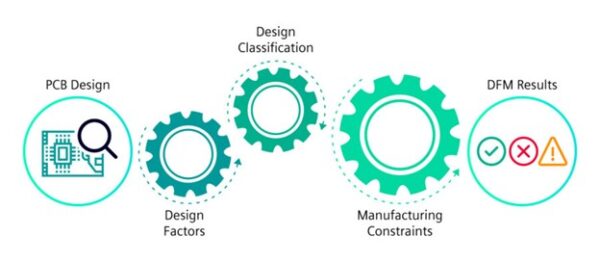
Exploring Manufacturing Driven Design for automated DFM

Manufacturing Driven Design leverages the intelligence within your PCB Design

Intelligent Process-Driven DFM Analysis for PCB Designers Recent component shortages and distribution disruptions have exposed both the fragility of global…

Rigid-Flex Material Considerations

Flex and rigid-flex designs refer to a PCB that is partially or entirely constructed using flexible rather than exclusively rigid…

PCB Material Selection

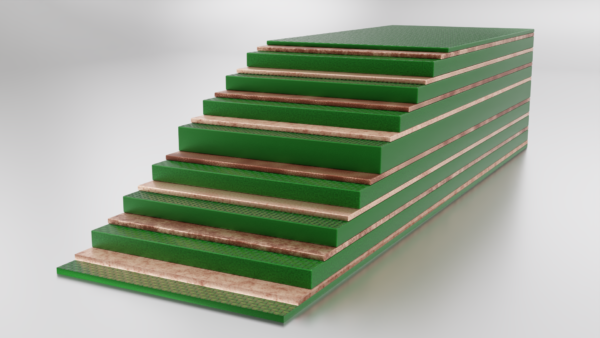
6 material properties that can save you money when designing your PCB stackup

Introduction Stackup decisions are critical to every PCB and electronic product, but they don’t always get the attention that they…

PCB trade show electronica

Valor NPI at Electronica 2022

Valor NPI is pleased to be showcased at this year’s Electronica show from November 15th-18th in München, Germany. Located in…

PCB manufacturing capabilities

Why is Design for Manufacturing important?

Who is PCB DFM for? For those of us that have climbed a mountain to take in the gaze of…

PCB material selection

Choosing the right laminate for your PCB design

A balanced approach to material selection involves understanding and considering more than just electrical parameters. In general, with dielectric materials, every parameter that improves performance comes at a marginal increase in cost. Because of this, ensuring that you don’t overdesign within your materials is quite important.

IC PCB DFT image

Proactive Design for Test (DFT) best practices

The process of PCB DFT needs to be considered sooner and more proactively in our PCB design process, incorporated in the schematic phase, not during the layout phase. A designer should determine what nets will be needed to be tested based on their likelihood of failure and position those pins in open, accessible real-estate.

Z-planner Stackup design overview.

Practical advice on PCB stackup planning

The more technology advances, the more attention we must pay to every aspect of printed circuit board (PCB) design, including…