What’s new in Valor 2604

The latest release of Valor NPI 2604 continues to strengthen our Design-For-Manufacturing (DFM) validation by bringing new constraint types, additional checks and enhanced analysis capabilities.
From intelligent via type driven analysis requirements to adequate lead length assessment, this release focuses on helping teams identify manufacturing risks earlier and resolve them faster.
Smarter DFM with IPC-4761 Via Type Awareness
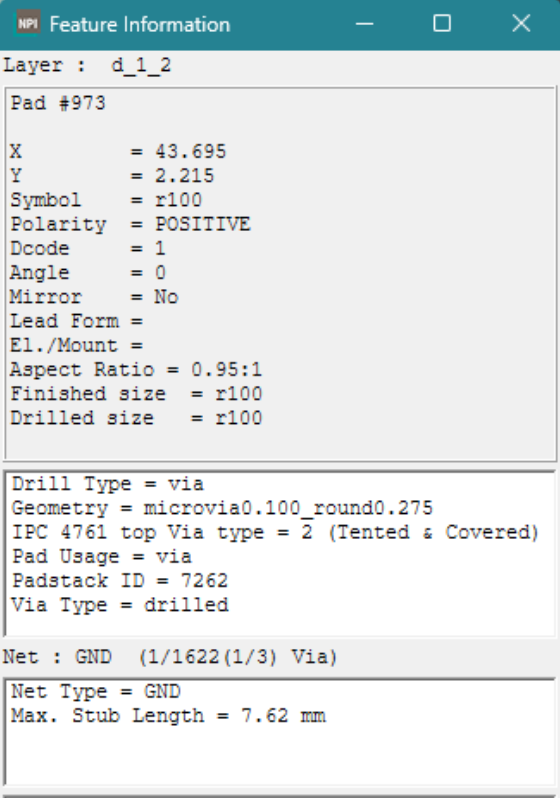
One of the most impactful enhancements in this release is the support for via types within Valor’s pad stack editor. Now via type can now be denoted within the design according to IPC-4761 standards, instead of being annotated as a special case within a fab drawing. This addition streamlines the design intent, making a more complete digital twin and a more seamless design to manufacturing flow.
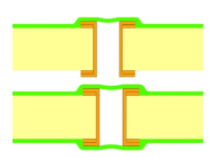
Tented

Tented and covered
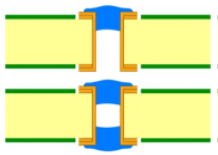
Plugged
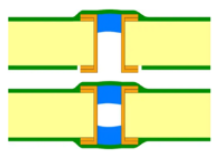
Plugged and covered
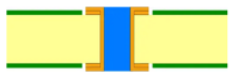
Filled

Filled and covered
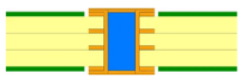
Filled and capped
Figure 2: Vias can be labeled based on the 7 via types listed under IPC-4761
Xpedition 2604 is now able to pass these via types through to Valor NPI as an attribute, allowing them to be used within constraints such as:
- Test Point to Uncapped Via Spacing
- Via Pad Capped on Both Sides of the Board
- Capped Via Under Component
- IPC-4761 Covered Via Missing Solder Mask
Sliver & Acute Angles analysis migrated to the Analysis Definition Manager
Three key checks, photoresist sliver detection, copper surface slivers, and acid trap detection, have been migrated into the Analysis Definition Manager (ADM), creating a more unified analysis experience.
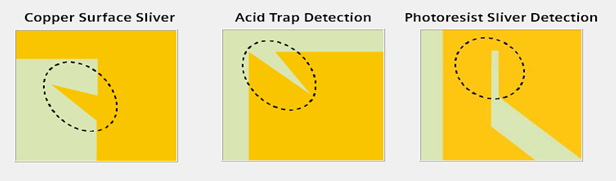
These checks are performed on both positive and negative layers and can identify thin photoresist regions where etchant can accumulate and cause over-etching, narrow copper slivers that may not adhere properly and can break off during fabrication, and acute angles that create acid traps, which reduce adhesion, increase defect risk, and impact long-term reliability.
By moving these capabilities into ADM, users gain better control, configurability, and consistency across DFM workflows.
SMD/BGA pad perimeter covered by copper
This release also enhances validation of copper connectivity for SMD and BGA pads, evaluating and reporting on the percentage of a pad’s perimeter that is in direct contact with copper. Valor NPI now flags both excessive and insufficient connections based on a defined threshold. Excessive copper connection can lead to heat sinking during soldering, leading to uneven reflow or difficulty achieving proper solder joints, while insufficient copper connection may lead to weak mechanical support, poor heat dissipation, or unstable electrical behavior.

Verifying exceeding and insufficient VPL through hole lead length
New ADM constraints extend validation for electrical and mechanical through-hole and press-fit leads protrusion and depth taken from the Valor Parts Library. This ensures that excessive and insufficient lead lengths are properly identified, and that the proper insertion depth is sufficient for the pen length.
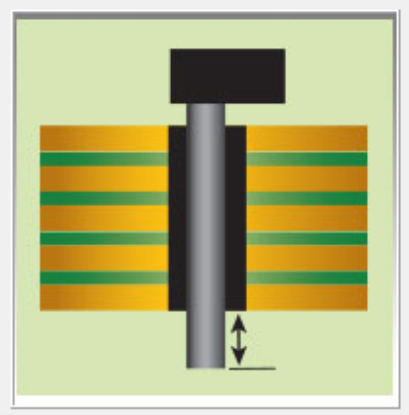
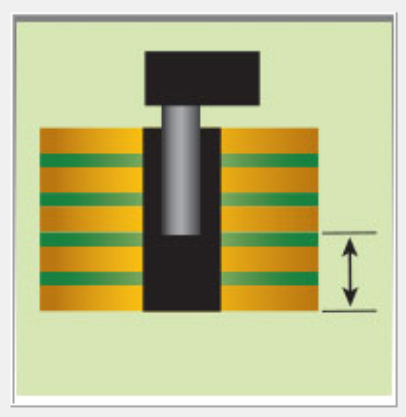
By evaluating lead length relative to board thickness, Valor NPI helps ensure correct soldering behavior and mechanical reliability.
Cadence Allegro – advanced degassing shapes rotation
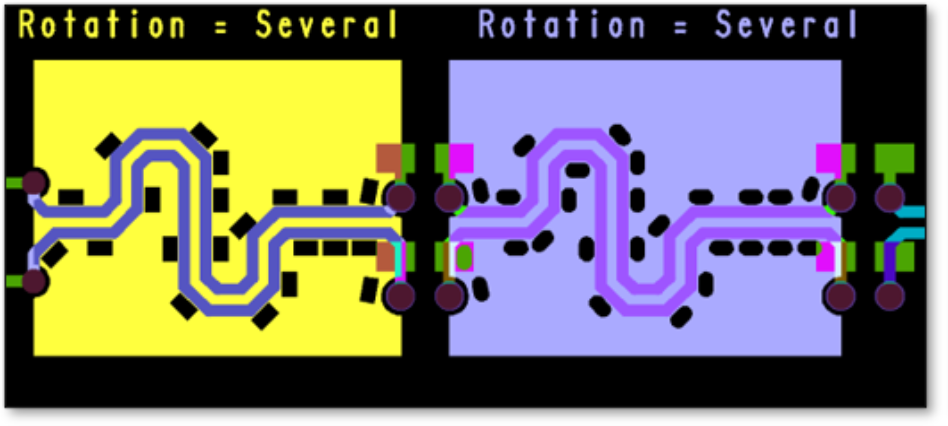
Following the introduction of advanced degassing shape support in 2510, Valor NPI 2604 extends this capability by importing the exact rotation of degassing shapes from Allegro versions SPB24.1 ISR007 and SPB25.1 ISR002, ensuring more precise and consistent data delivery.
Valor NPI 2604
Valor NPI 2604 continues to push DFM earlier in the design process, making manufacturability validation more intelligent, more accurate, and more integrated than ever before regardless of the EDA workflow used.
From IPC-4761-driven via awareness to real-time DFM in concurrent layout, Valor NPI 2604 strengthens the connection between design intent and manufacturing reality. The result is fewer false errors, faster validation, and a smoother path to first-pass success.