Unlocking agility in manufacturing simulation: an introduction to Process Simulate X Value Based Licensing

In the dynamic landscape of modern manufacturing, companies are constantly striving for greater agility and efficiency to remain competitive. However, organizations often face a common challenge when evaluating their software investments: balancing cost optimization with intentional use of specific capabilities. Investing in comprehensive software solutions shouldn’t mean paying for features that are only used occasionally. This dilemma frequently results in underutilization of advanced capabilities or hesitation to adopt them altogether, ultimately limiting innovation. Siemens addresses this challenge with Value Based Licensing (VBL) for Process Simulate X, an innovative approach that simplifies software access and consumption while enabling users to maximize value and scale with confidence in their manufacturing simulation operations.
What is Value Based Licensing for Process Simulate X?
Value Based (token) Licensing for Process Simulate X provides a flexible and cost-effective method for running Process Simulate X with add-on applications. While it shares similarities with traditional “per-seat” floating licenses, both allow users to check out a license as needed, which is then returned to a pool for others upon completion, a crucial distinction lies in the product pool:
• With per-seat floating licenses, the pool is limited solely to the specific products a company has purchased.
• With token licensing, the pool encompasses every product that participates in that token license pool.
This fundamental difference results in a significantly broader set of products being accessible, ensuring users have the right tool precisely when they need it. Importantly, Value Based Licensing is supported by all versions of Process Simulate X.
The power of a common manufacturing pool
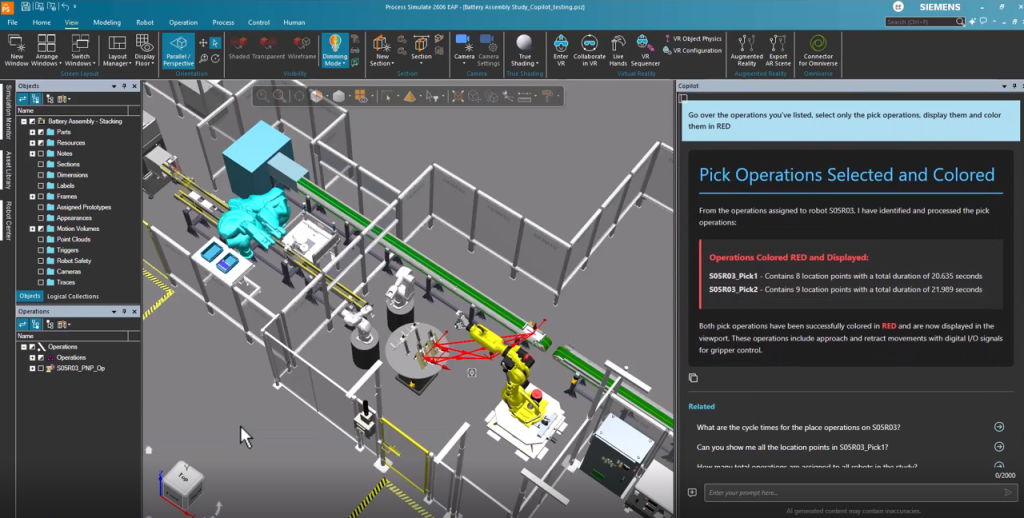
VBL introduces a common manufacturing pool that contains both NX X Manufacturing and Process Simulate X applications. This creates extreme flexibility, allowing organizations to optimize software investments and users to utilize any needed application from this shared pool. This approach means you can run occasionally-needed applications without the burden of making a separate purchase for each one. A single subscription price grants access to all applications within this versatile pool.
Driving growth: key benefits of Process Simulate X VBL:
Value Based Licensing is a key enabler for growth and provides distinct advantages:
• Flexibility: It offers access to the full range of product capabilities, ensuring that teams are not limited by rigid licensing structures.
• Economics: Users consume capabilities as they use them, making it a much more cost-effective approach compared to purchasing individual permanent licenses for specialized features.
• Innovation: Companies gain instant access to new product capabilities as soon as they are released, keeping them at the forefront of technological advancements.
• Scalability: Teams can easily expand their capabilities by simply adding more tokens as their project needs or user base grows.
This model empowers companies to manage their development costs smartly, aligning software expenses directly with project needs and making capital available for other critical business investments.
The future of software accessibility for manufacturing simulation
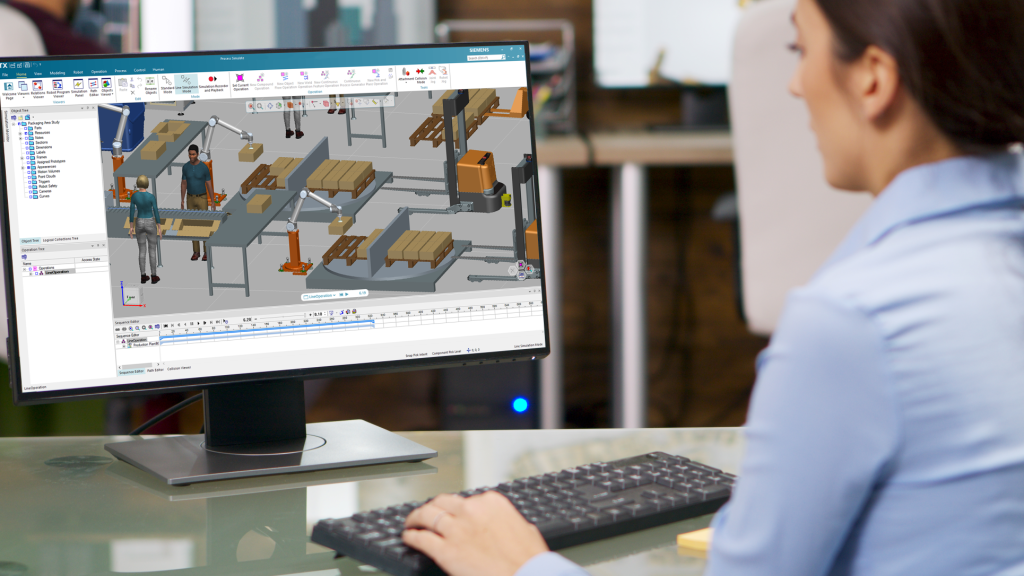
Process Simulate X Value Based Licensing offers a modern and agile solution to the challenges of traditional software licensing in manufacturing. By providing flexibility and cost-effectiveness through a common token pool, it ensures that your team always has access to the tools required to innovate and adapt. In our next blog post, we will delve deeper into the practical aspects of VBL for Process Simulate X, exploring how it works with detailed examples, showcasing key applications, and demonstrating its significant value.
Learn more: Compare Process Simulate X Tiers
Interested in trying today? Launch the Process Simulate X Trial