Model-based systems engineering example: How Navantia uses Teamcenter
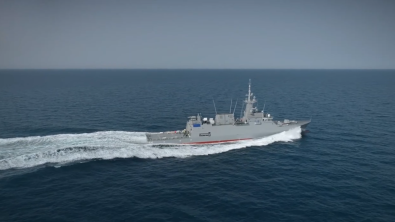
Modern naval vessels are among the most complex products in the world. They combine mechanical, electrical, software and combat systems that must work together flawlessly while remaining serviceable and adaptable for decades.
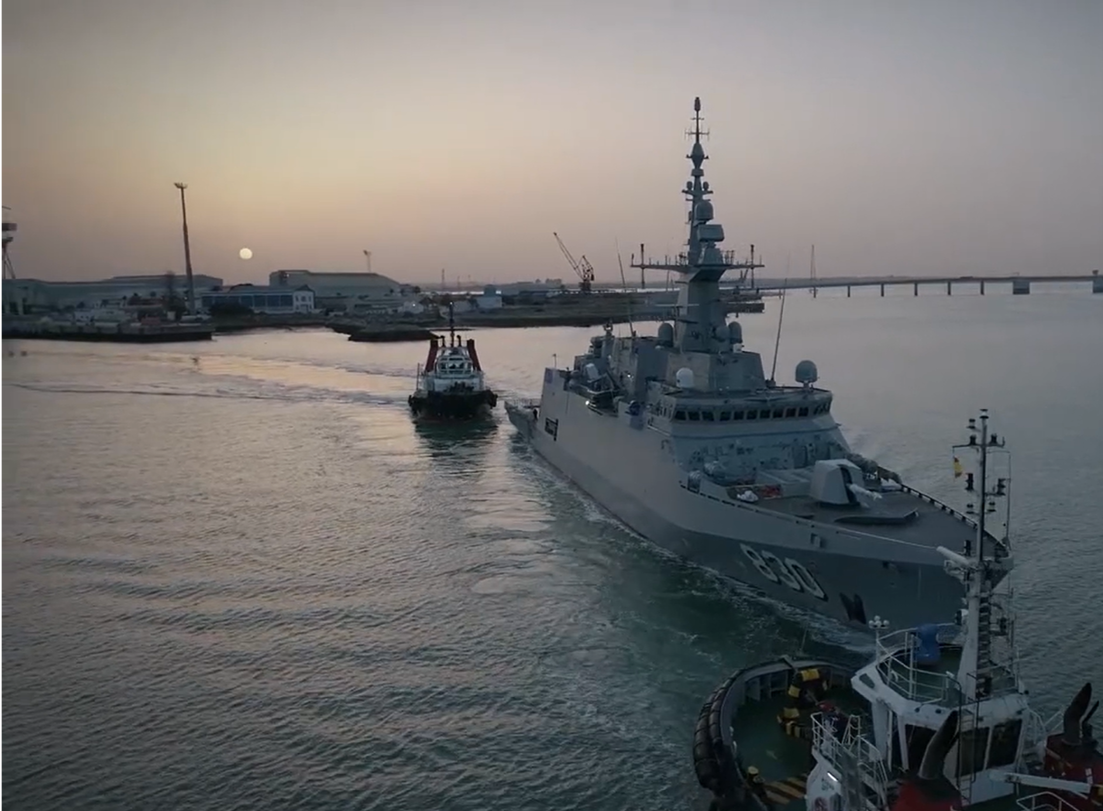
Navantia provides a compelling model-based systems engineering example that shows how naval organizations can connect requirements, design, simulation and lifecycle management through a digital thread. Using Teamcenter and other Siemens Xcelerator products, the company has improved traceability, created a connected digital engineering environment and reduced engineering process times by more than 50% in some cases.
For Navantia, a state-owned shipbuilder with more than 300 years of experience building military vessels, that complexity continues to grow. Customers increasingly expect not only a physical ship, but also a complete digital representation that can support design, operations, maintenance and future upgrades.
To meet those demands, Navantia has embraced a connected digital engineering strategy built on Siemens Xcelerator. At the center of that strategy is Teamcenter, which serves as the digital backbone connecting systems engineering, design, simulation, manufacturing and lifecycle support.
Watch how Navantia connects engineering with Teamcenter
Looking for a real-world model-based systems engineering example? Watch how Navantia uses Teamcenter and Siemens Xcelerator to connect requirements, systems engineering, design and lifecycle management across naval programs.
Building a digital foundation for smarter ships
Navantia’s business extends far beyond ship construction. The company develops advanced combat systems, supports digital twin initiatives and provides maintenance and modernization services that help customers extend vessel lifecycles and improve performance.
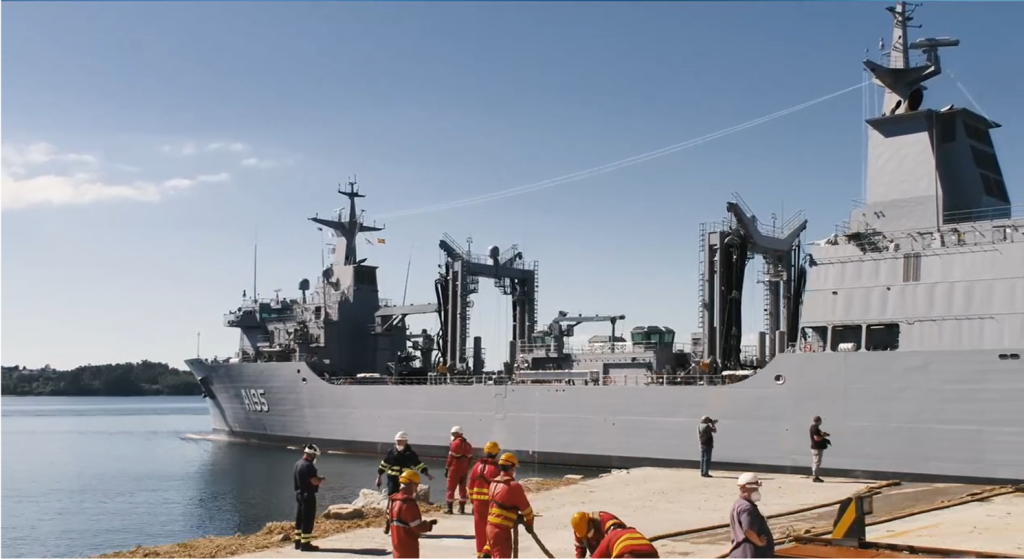
Meeting these requirements demands more than a standalone system. Engineers need a connected environment that brings together product data, systems models, design information and simulation results throughout the lifecycle of a vessel.
To support that vision, Navantia established Teamcenter as the backbone of its engineering environment, integrating it with Designcenter NX and a range of Simcenter solutions. This provides a common source of product information across disciplines and helps ensure that teams are working from consistent, up-to-date data. Systems models act as a bridge between requirements, product structures and engineering execution, helping teams maintain consistency throughout the lifecycle.
Eliminating barriers between engineering systems
One of Navantia’s goals was to reduce the time, cost and risk associated with moving information between disconnected tools.
Many organizations still rely on manual processes to transfer engineering data from one system to another. Those handoffs can introduce delays, increase the likelihood of errors and make it harder to maintain configuration control.
With other software suites when you don’t have the ability to create a digital thread, there are some stoppers in the way when you have to throw your data to a different system.”
Jose Torres, Digital Transformation Submarine Business, Navantia
By creating a connected engineering environment, Navantia has been able to automate the flow of information across systems with minimal manual intervention. This reduces engineering effort, improves consistency and helps maintain the configuration accuracy that is critical for complex defense programs. This approach supports systems architecture management, requirements traceability and engineering collaboration across multiple disciplines, all of which are foundational elements of model-based systems engineering.
Accelerating engineering processes
The benefits of a connected digital thread quickly translated into measurable business results.
With information flowing seamlessly between disciplines, Navantia has significantly reduced the time required to complete key engineering processes.
“We are running processes from two weeks. We are leaving them in three or four days, which is almost more than 50% in some of them.”
Jose Torres, Digital Transformation Submarine Business, Navantia
Reducing process times from weeks to days enables teams to respond faster to changing requirements while maintaining quality and control. In an industry where programs involve thousands of components and long development cycles, these gains can have a substantial impact on overall project execution. For organizations looking for a model-based systems engineering example, these results illustrate how a connected digital thread can translate engineering alignment into measurable operational improvements.
A model-based systems engineering example that improves traceability and change management
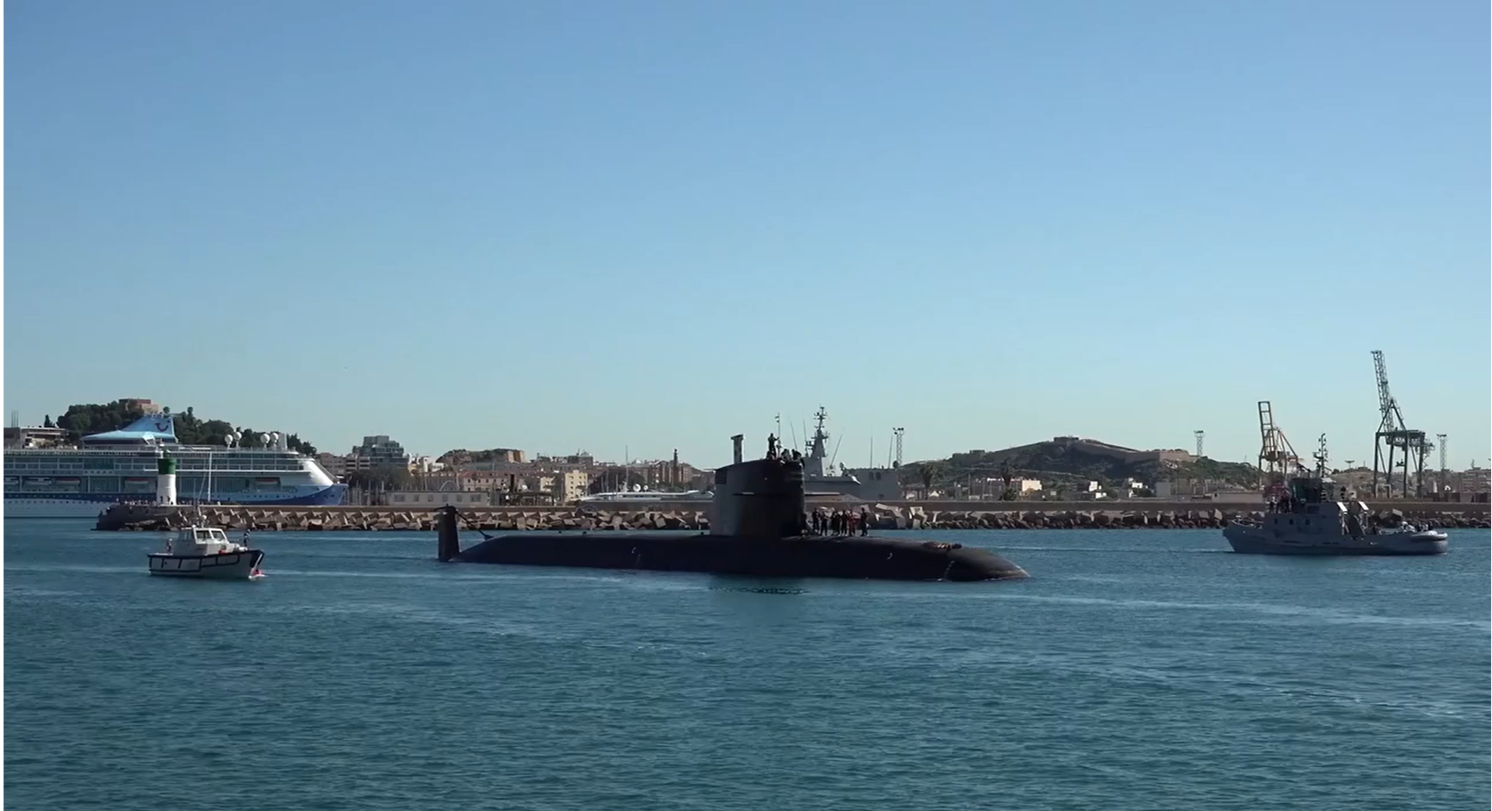
Beyond connecting data, Navantia has adopted model-based systems engineering (MBSE) to bring structure, traceability and change management to complex naval programs.
The company uses Teamcenter to maintain relationships between requirements, systems architectures, design artifacts and multiple bill-of-material structures. This allows teams to trace information across the lifecycle, from system definitions and engineering BOMs to manufacturing and service configurations.
This level of traceability is particularly valuable when requirements change. Rather than manually reviewing documents and drawings to determine potential impacts, teams can quickly identify affected systems and make more informed decisions.
Validating designs earlier with simulation
Simulation is another important part of Navantia’s engineering strategy.
Using Siemens simulation solutions, engineers can evaluate designs and validate requirements before production begins. This enables teams to mature designs earlier, identify issues before they become costly problems and reduce rework later in the development process.
By validating performance through simulation and connecting those activities within the broader digital thread, Navantia is able to move into production with greater confidence while shortening development timelines.
The approach helps engineers spend less time revisiting previous work and more time advancing the next stage of development.
Creating the future of naval engineering
As naval programs continue to increase in complexity, organizations need more than isolated engineering tools. They need a connected approach that links requirements, systems engineering, design, simulation, manufacturing and service throughout the product lifecycle.
For Navantia, Teamcenter provides that connection.
By establishing a digital thread across engineering domains, improving traceability through MBSE and reducing process times by more than 50% in some cases, Navantia is building a more efficient and agile engineering environment for the next generation of naval vessels.
This model-based systems engineering example demonstrates how organizations can use a digital thread to connect systems engineering, product development and lifecycle support within a unified environment. The result is a stronger foundation for designing, building and sustaining the sophisticated ships that modern defense customers require.
Frequently Asked Questions
What is a model-based systems engineering example?
A model-based systems engineering example is a real-world implementation that uses digital models to connect requirements, system architectures, designs and lifecycle information. Navantia uses Teamcenter’s digital thread approach to improve traceability and engineering collaboration.
How does MBSE improve traceability?
MBSE creates relationships between requirements, systems, subsystems and product structures so engineering teams can understand impacts, manage changes and maintain consistency throughout development.
How does Teamcenter support model-based systems engineering?
Teamcenter helps connect system models, requirements, engineering data, simulation results and product structures within a digital thread that spans the product lifecycle.
Why is MBSE important for naval engineering programs?
Naval vessels contain thousands of interconnected systems. MBSE helps organizations manage complexity, improve requirements management and coordinate engineering activities across disciplines.
How does simulation support MBSE initiatives?
Simulation allows teams to validate requirements and system performance earlier in development, helping reduce rework and improve confidence before production.
🧠 Make smarter decisions with AI-powered PLM
🚀 Start fast and grow with Teamcenter X
🚗 Take the Teamcenter X 30-day test drive
🌟 Learn more about Teamcenter solutions