Building a sustainable future with simulation and AI
This article explores how simulation, AI and digital twins help organizations accelerate the energy transition by improving energy efficiency, reducing emissions and scaling sustainable innovation.
Growing up in India, a car parked outside a home was never just a vehicle – it meant mobility, opportunity, and a family moving upward economically. That aspiration is far from unique. Around the world, billions of people continue striving for the same improvements in quality of life, driving unprecedented growth in mobility, energy use and industrialization. Today, there are more than 1.6 billion vehicles on the road globally, and that number is expected to keep rising as developing economies grow. Yet this progress comes with a difficult reality: the very systems powering modern life are also responsible for a significant share of global emissions and energy consumption.
As demand for energy and infrastructure grows, sustainability is no longer just about ESG or regulatory compliance; it is a business imperative that shapes competitiveness and resilience.
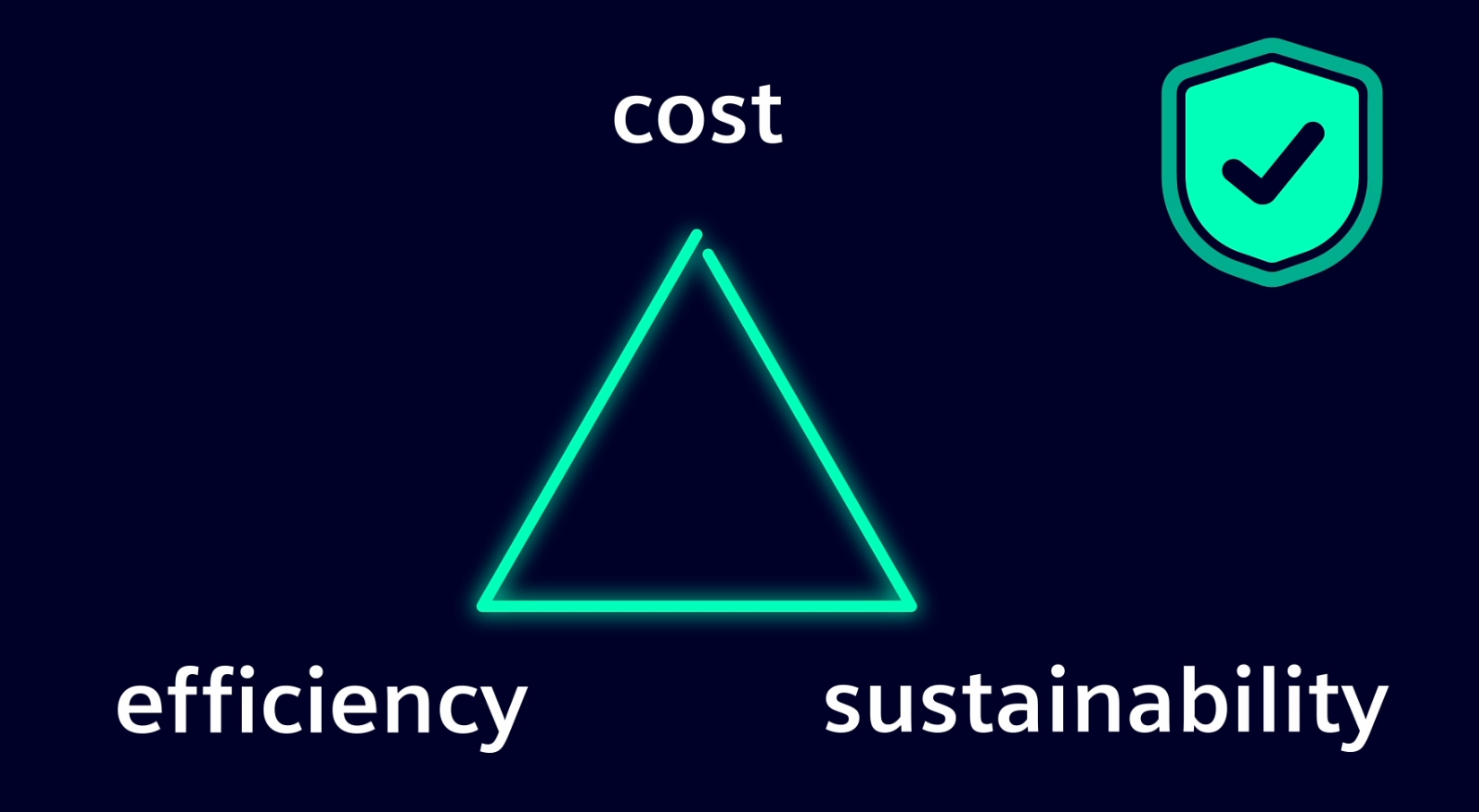
When businesses integrate people, technology, and processes, they ensure that silos are removed and innovation accelerates. The result is more energy-efficient systems, lowered water and raw material use, reduced emissions and faster innovation cycles.
Improving efficiency, reducing waste, and cutting emissions drives impact today. But long-term competitiveness will equally be decided by how companies navigate the energy transition.
Digitalization for energy transition
The energy transition does not mean abandoning existing processes and systems overnight. It means using current resources more efficiently and diversifying into cleaner, more sustainable energy sources.
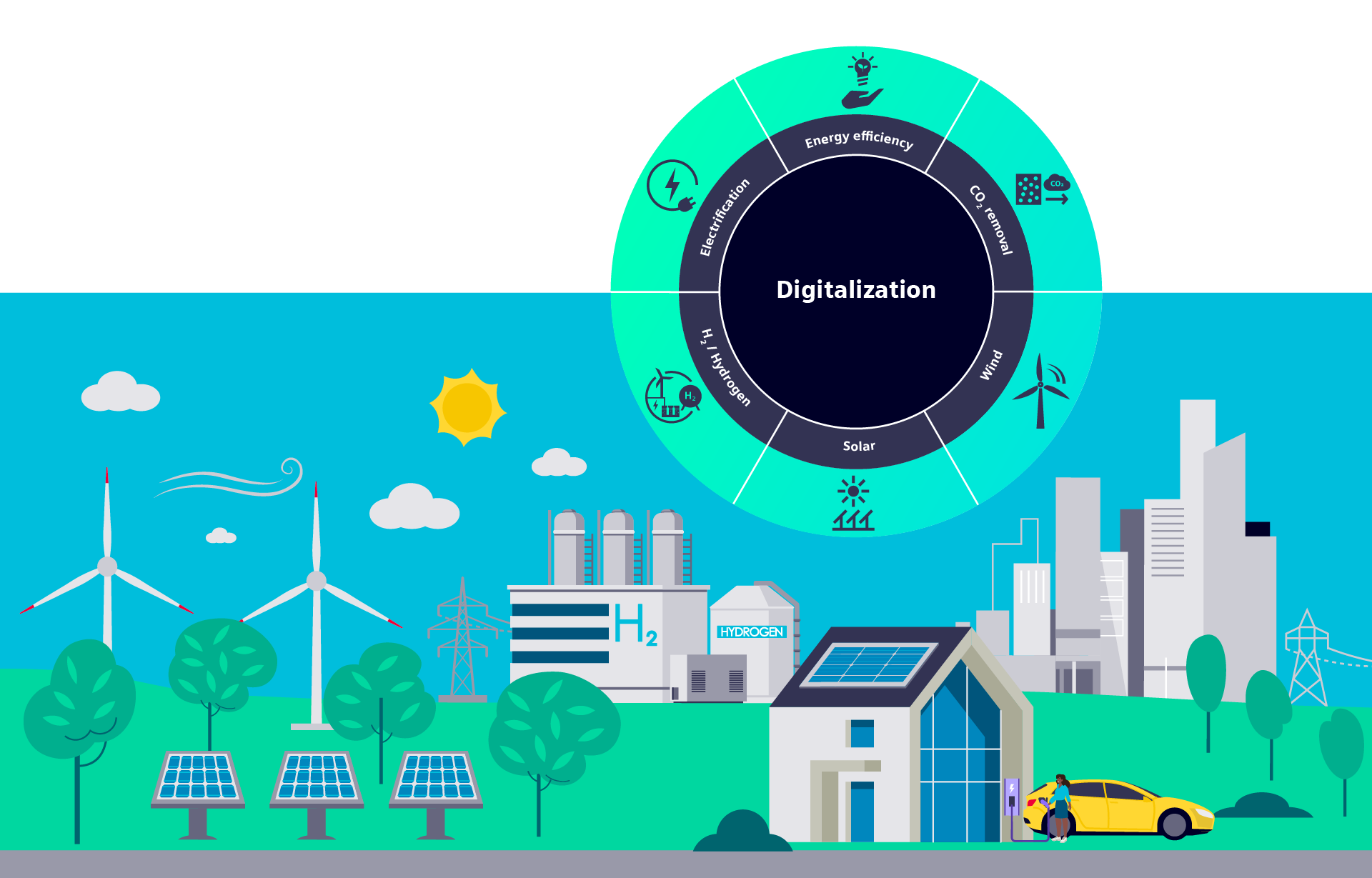
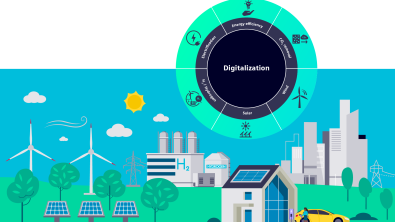
Digitalization is at the core of this transformation. By integrating people, technology and processes, organizations can break down silos and accelerate innovation, where the greatest opportunities to influence cost, performance and sustainability exist.
Advancements in AI and computational modeling are transforming the way assets are designed, validated, built, and operated. Organizations leveraging digital solutions are better positioned to lower carbon output, minimize harmful emissions at scale, and accelerate progress toward decarbonization goals.
Achieving this requires a shift toward sustainability-driven design – supporting the scale-up of clean energy while optimizing the efficiency and environmental performance of existing assets across the energy value chain.
Driving the energy transition: Where digitalization meets impact
| Scale | CO2 Removal | Sustainable Technologies | Electrification | Energy Efficiency |
| Molecular | Membrane separation for carbon capture | Lithium diffusion in batteries | ||
| Continuum | Solvents for CO2 adsorption | Anode & cathode materials | Reducing power plant NOx emissions | |
| Equipment (Design Exploration) | Scrubbers Absorber beds | Wind turbine/ hydro turbine/ SMR design | Battery cell design | Hydrogen-fueled gas turbine CFD-driven burner optimization |
| Equipment (Structural Performance) | Offshore wind platforms | Battery thermal management Cryo-compressed hydrogen storage | Fan power | |
| System (Thermomechanical) | Green Hydrogen system | Battery thermal runaway | Ceramic kiln Virtual burner design | |
| System (Process) | Hydrogen production process plant Hydrogen blends | Fuel cell system performance Hydrogen-powered regional aircraft | 1D CFD for safe gas infrastructure Fuel transition optimization Utility grid maintenance | |
| System (Grid) | Green Hydrogen Microgrid with PLCs | BESS and grid integration Smart energy system simulation |
Energy efficiency
While the transition to lower-carbon energy systems is essential, improving energy efficiency remains one of the quickest and most cost-effective ways to cut emissions. For industrial operators, it goes beyond reducing fuel use, lowering carbon footprint, lowering operating costs, and extending asset life.
For example, the GMH R&D team was given a task – find a way to optimize burner performance to reduce CO₂ and CO emissions, while maintaining stable combustion. They turned to CFD-driven burner optimization, using simulation to predict combustion performance, compare burner concepts, and accelerate design decisions while reducing the need for costly experiments.

Similiarly, the ArcelorMittal R&D team was tasked with improving the efficiency and reliability of a sinter cooler charging system. They turned to Simcenter EDEM, using discrete element simulation to analyze granular material flow, study segregation and filling ratios, and virtually test different charging chute designs. This helped them identify an optimal design and improve sinter cooling efficiency while reducing reliance on physical testing.
ClearSign Technologies set out to reinvent industrial burner design – creating an ultra-low-emissions solution that could meet stringent NOx regulations without the cost and complexity of traditional emissions-control systems. By leveraging Simcenter’s CFD-driven optimization, they turned low-emissions burner design into a business advantage, enabling compliance with permitted NOx limits while reducing the need for costly heater modifications and add-on controls such as SCR and diluents, with potential SCR-related savings of up to $40 million in broader deployments.
CO2 removal
CO₂ removal technologies are creating a new generation of startups, with carbon capture becoming a critical enabler of decarbonization for hard-to-abate industries where direct emissions reduction is limited. By capturing CO₂ at the source and integrating it into industrial processes or storage pathways, these solutions allow continued use of existing infrastructure while significantly lowering overall emissions.
A leading provider of modular carbon capture technology has demonstrated how advanced carbon capture modeling using Simcenter STAR-CCM+ and Simcenter Cloud HPC can accelerate the deployment of CO₂ removal technologies, advancing sustainability for hard-to-abate industries.
Read our recent white paper to learn how membrane-based CO₂ capture can be modeled using CFD and computational chemistry to optimize separation efficiency and accelerate scalable carbon capture for industrial decarbonization.
Renewables
Renewable energy is central to the transition toward a lower-carbon future, but as wind and solar scale, maximizing their reliability and lifespan becomes just as important as expanding capacity.
Winergy wanted to maximize the reliability and availability of wind turbine gearboxes while minimizing unplanned downtime. To this end, they leveraged operating data in Simcenter to predict and detect gearbox faults, estimate the remaining useful life (RUL) of bearings and gear teeth, and continuously validate a digital twin against real operating conditions. This enabled more accurate maintenance planning, reduced unexpected failures, and helped optimize spare parts across wind turbine fleets.
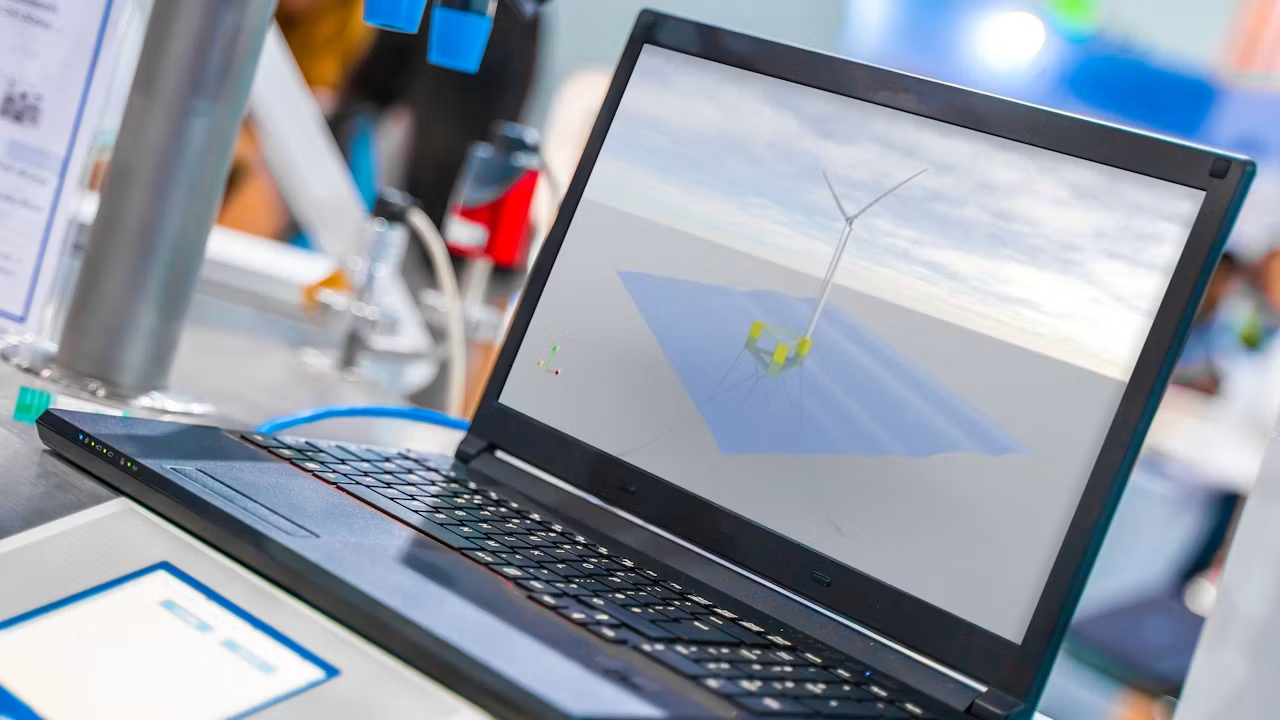
Front Energies wanted to design more reliable floating offshore wind turbines. By combining Simcenter STAR-CCM+ and Simcenter Nastran, they accelerated design optimization while improving structural integrity, performance, and reliability.
Electrification
Electrification is a key pathway to reducing emissions across transportation, buildings and industry by replacing fossil-fuel-based systems with cleaner, more efficient electric alternatives. But unlocking its full potential requires the integration of batteries, renewable energy, power electronics and intelligent controls into reliable energy ecosystems.
A residential energy storage and smart-home systems company set out to ensure safe and reliable operation of its integrated energy solutions. Leveraging Simcenter Amesim, they could model battery thermal behavior, photovoltaics and power electronics, enabling accurate prediction of performance and safety across their integrated smart-home energy systems. This supports scalable product development, strengthens reliability, and helps avoid costly failures.
The bigger picture
At Siemens, we take a 360-degree approach to sustainability, focusing on our customers, planet and society and across our own operations, products and people. We measure our impact through our comprehensive DEGREE targets. DEGREE not only quantifies our environmental and social impact; it embeds our values in our ways of working and helps us to make our customers more sustainable every day. Our contribution is evident in the real-world impact we create for our customers: more than 90% of our business enables our customers to achieve a positive sustainability impact across three impact areas: decarbonization and energy efficiency, resource efficiency and circularity, and people centricity and society.
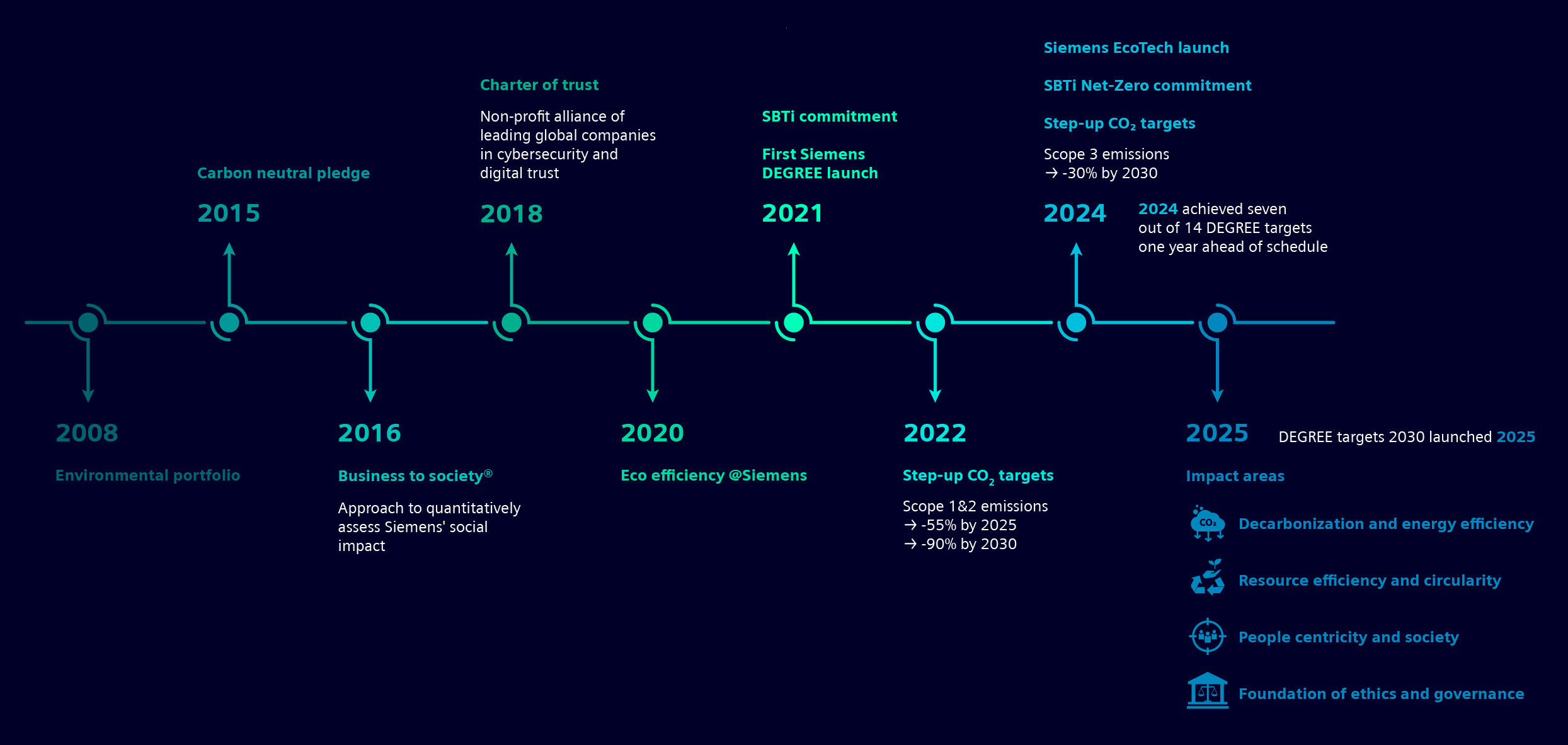
The energy transition is a clear opportunity to create measurable value for our customers and society. Our technologies are already embedded in the systems that power industry, combining deep domain expertise, financing and scalable digital solutions to transform how energy is sourced, managed and optimized.
We work alongside our customers to turn ambition into action across increasingly complex energy systems, bringing electrification, energy optimization and resilience together in an integrated approach, so you move beyond isolated initiatives and stay ahead of the energy transition. Learn more through our latest events, insights and sustainability initiatives: