AI master class 2026: takeaways on turning physical test data into competitive advantage
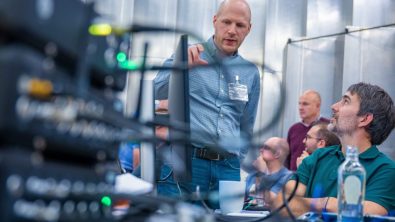
Now that the dust has settled, we can look back on the first AI Master Class we hosted on May 19–21, 2026, in Leuven, Belgium.
We were committed to supporting customers who asked for our help in adopting AI in their testing workflows, so they can stay ahead of the competition and sustain their market leadership. As promised, we kept the event highly hands-on, showing in a practical way how to leverage AI with physical test data. Above all, our goal was to empower customers to turn their past, present, and future data into a competitive advantage in engineering performance workflows.
In this blog, we’ll recap the highlights, key learnings, and audience takeaways from this three-day master class. We will then share what’s next.
Day 1 recap
We started with the fundamentals, core AI concepts and definitions from an engineering perspective, then explored common AI use cases in performance engineering and how AI can help tackle today’s testing challenges to accelerate innovation and time to market. We also shared real-world examples showing measurable impact across the product lifecycle, from concept design to manufacturing and operations. One nice example among many we presented: Wheel force measurement is essential, but it doesn’t need to be so expensive thanks to AI
We then moved into machine learning (ML) and covered the end-to-end workflow—from data preparation and model training to inference using the trained model (for example, to make predictions). We kept the theory focused on the ML model types most useful for engineering workflows, then put it into practice in two separate hands-on sessions using Rapidminer AI Studio. Participants learned how to import and prepare data, select and train models, and evaluate results, many noting how no-code platforms like Rapidminer AI Studio can speed up AI adoption without relying heavily on dedicated data science skills and teams.
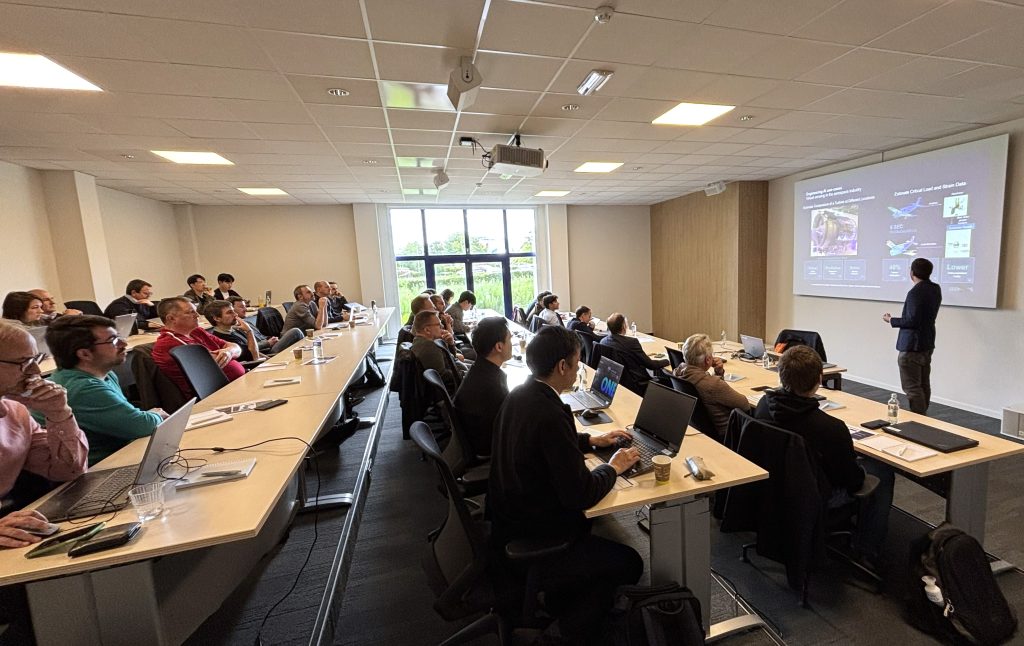

Our guest speaker, Emanuele Giovannardi, made a standout contribution to Day 1. He shared how the collaboration between Ferrari, Siemens, and the University of Bologna is enabling the adoption of AI for end-of-line NVH testing, including practical approaches for overcoming limited test data while keeping AI-driven decisions as accurate and reliable as possible. Thank you, Emanuele, for your openness, insights, and for bringing such a compelling real-world use case to our participants.

Day 2 recap
On Day 2, we shifted from AI concepts to the foundation that makes AI in testing possible: high-quality AI-ready physical test data.
The goal was to ensure that the data captured with Simcenter Testlab and SCADAS is genuinely ready for AI, or in short “AI-ready”: consistent (“Were all tests done at track 11?”), validated ( “Did they drive at 30 km/h?”) , traceable (“Where can I find that project?!”), properly labelled (“Did we use Pirelli Powergy or Scorpion tires?”), and feature-based (e.g., “What’s the calculated Road Noise KPI?”).
We discussed how effective scheduling and remote access, while the hardware is still on the proving ground, can improve data consistency and reduce deviations from what was planned in advance by enabling engineers to track and confirm measurement workflows in near real time (subject to communication delays), directly from their desks. Want to dive deeper on this topic? Read Accelerate and automate your in-field data collection process with Simcenter SCADAS RS & Simcenter Testlab Workflow Automation
Hands-on, participants built an automated data-validation workflow in Simcenter Testlab Process Designer: cutting data by GPS position, filtering out runs that didn’t meet speed conditions, and clearly tagging results as Validated or Failed for full transparency. Up for a bit of recap? Streamlining data: Efficient test data consolidation with Simcenter Testlab
In addition to time-domain data, we demonstrated across two dedicated sessions how frequency response functions (FRFs) can be acquired at scale and validated.
We then took some time to discuss how to best annotate (or label) and store test data for future re-use, also as input towards AI. All participants were designing their queries into the Simcenter Testlab Data Management and learning how to best frontload the task of annotating data before the measurements are even taken. After all, it’s hard to train AI models on data you cannot even find, watch one more resource?
Govern vast amounts of engineering data
Our guest speaker, Dr. Fabian Knappe, a data strategist and NVH development engineer at Mercedes-Benz, made a valuable contribution to Day 2. He shared Mercedes-Benz’s strategic approach to data and how they are leveraging LLMs to enable smart data retrieval across their broader data management landscape, including Testlab data management.

We concluded the training by tackling a key question: why extract features through post-processing before feeding data to AI? why not use raw data instead? In a live demo, we showed that feature extraction improves training quality, boosts model performance, and increases overall reliability, and that selecting the right features requires strong domain expertise. Once everyone was on board, we continued building an automated workflow to extract labeled interior road-noise KPIs and export them to Excel for downstream AI pipelines.
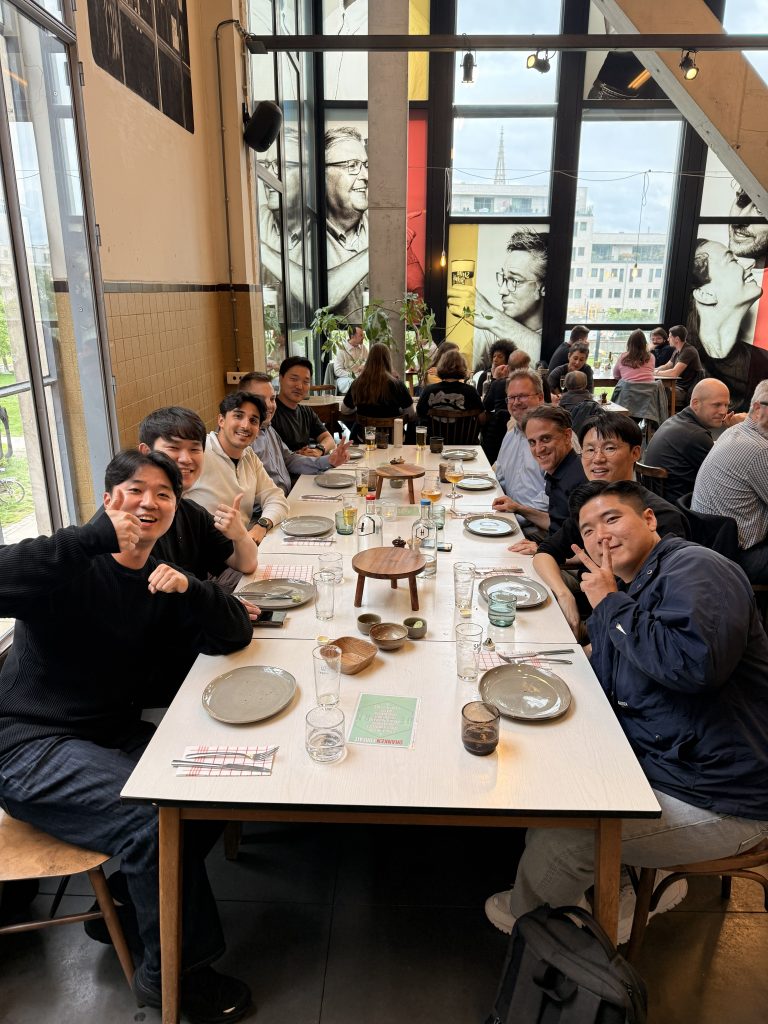
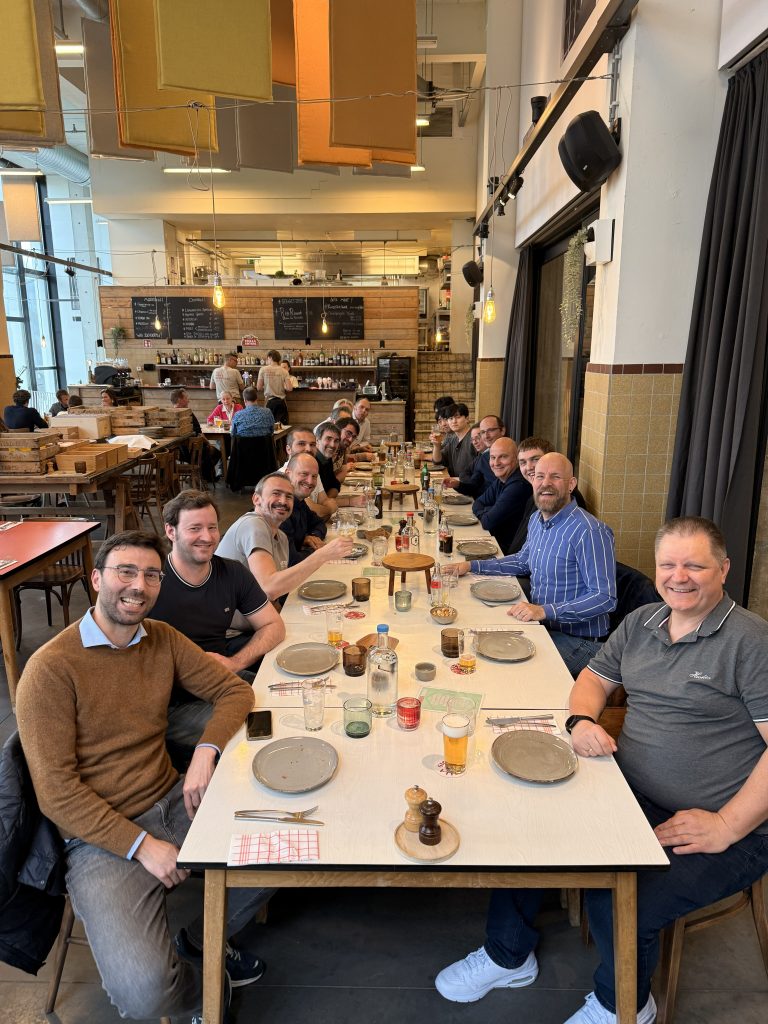
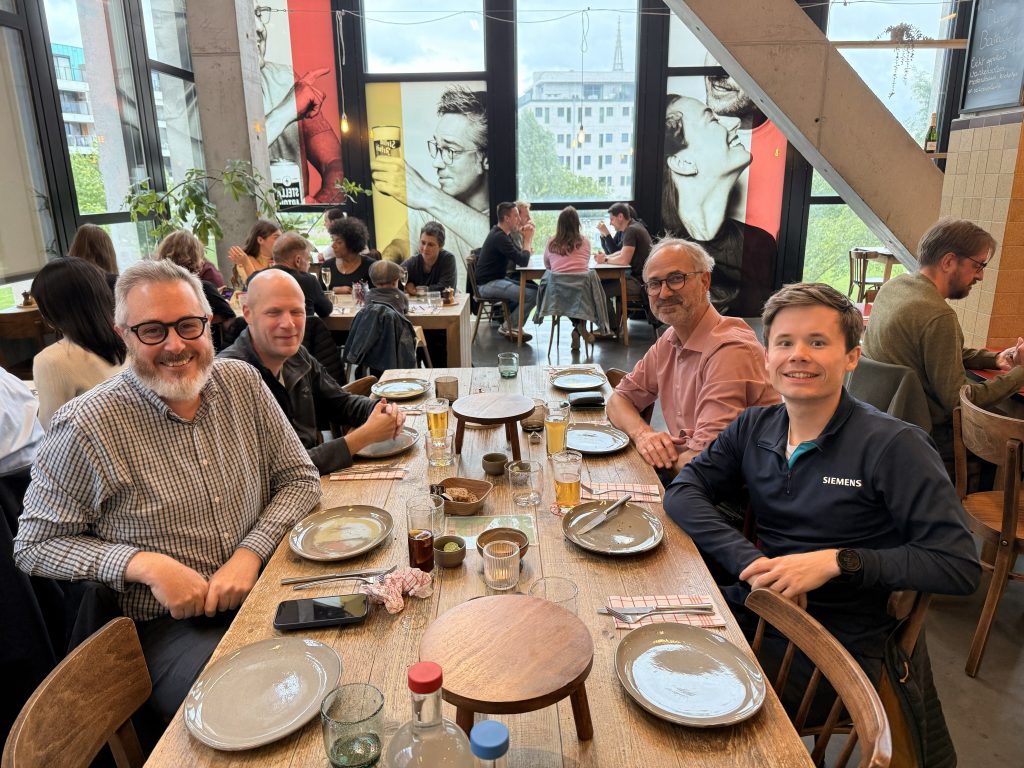
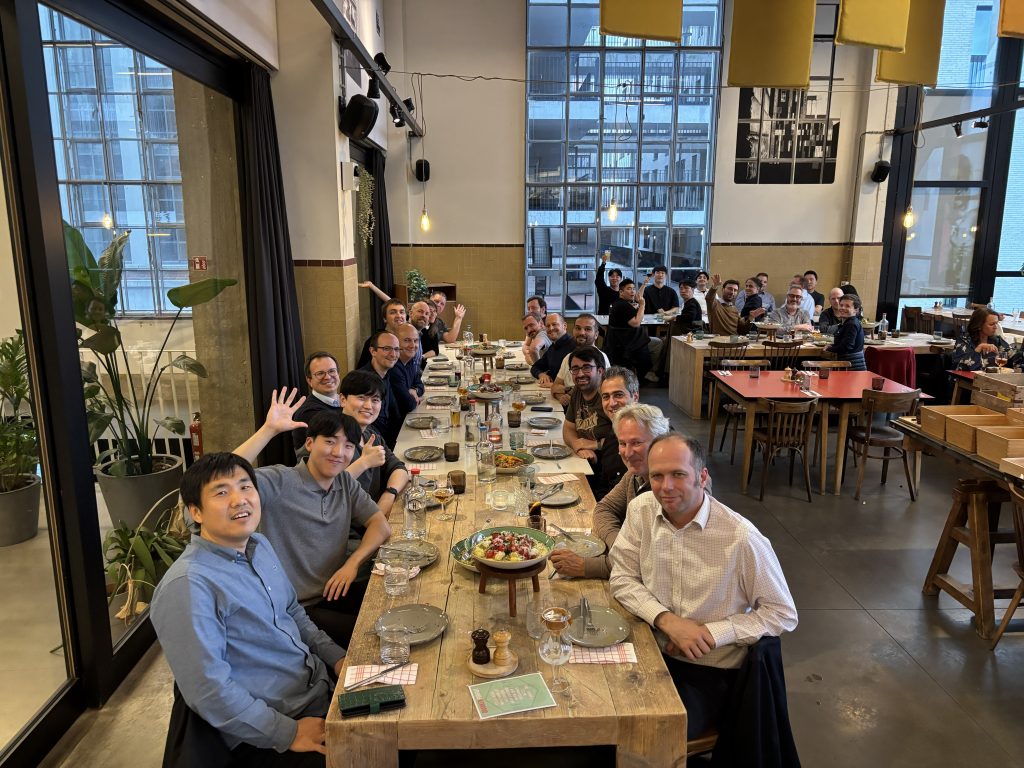
We then wrapped up the day on a high note! Over dinner, we hosted a social get-together and kept the conversations flowing, on and beyond AI. An example highlight was when our Korean participants surprised us by pulling soju and spicy Korean sauce straight from their pockets, instant boost to the evening’s vibe. It was a great chance to network, unwind, and recharge. Thank you all, it was fun!
Day 3 recap
Day 3 started at 8:30 AM with a bang to wake everyone up. We put into practice everything that we’ve learned the day before and explored Simcenter Testlab Workflow Automation (TWA). Training AI models requires data, and a lot of it, manual processing would be extremely inefficient. With TWA, we were able to create an automated pipeline that takes all input data, runs the validation, labelling and feature extraction process and prepares the cleanly-structured Excel files, ready to be picked up by AI Studio. And all of that before 9:30 AM!
We then focused on a common big-data challenge: what if there’s insufficient physical test data available? While test data is the most reliable representation of real physics, it’s complex and expensive to scale. The solution is to augment it with its best friend: simulation.
We showed how Simcenter Testlab Virtual Prototype Assembly can help by generating additional data from different component combinations, for example, varying vehicle specifications, tire width, sidewall height, and tire radius. We also discussed automation, because at scale, nobody wants to do this manually. Something to read on the topic? Introducing AI for NVH: how do you gather the data to train your models?
With these building blocks in place, we reached the highlight: connecting everything into a complete AI workflow. Through extensive hands-on sessions, participants built their own end-to-end workflows on two engineering use cases: (1) road-noise KPI prediction and (2) manufacturing quality classification and anomaly detection.
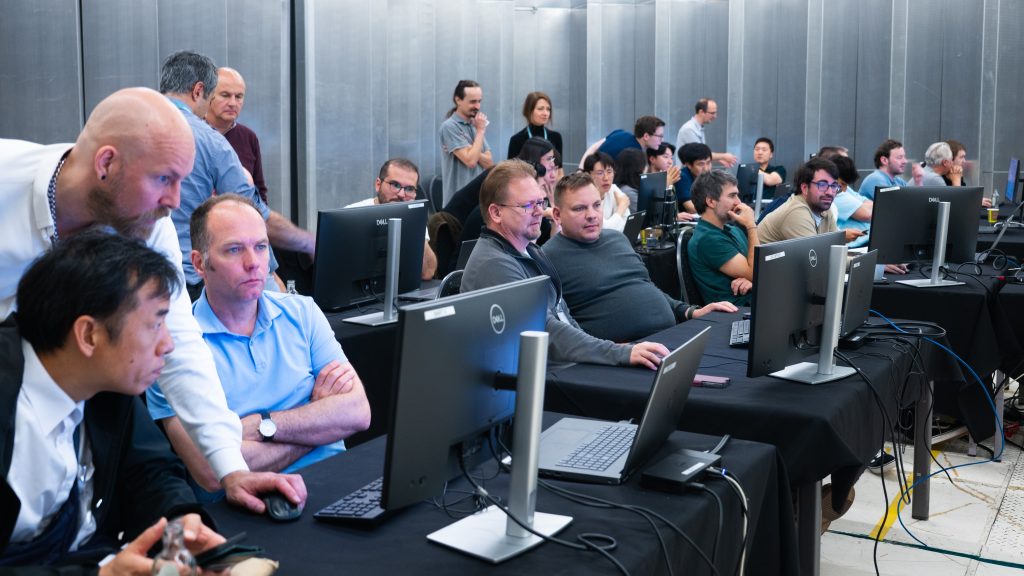
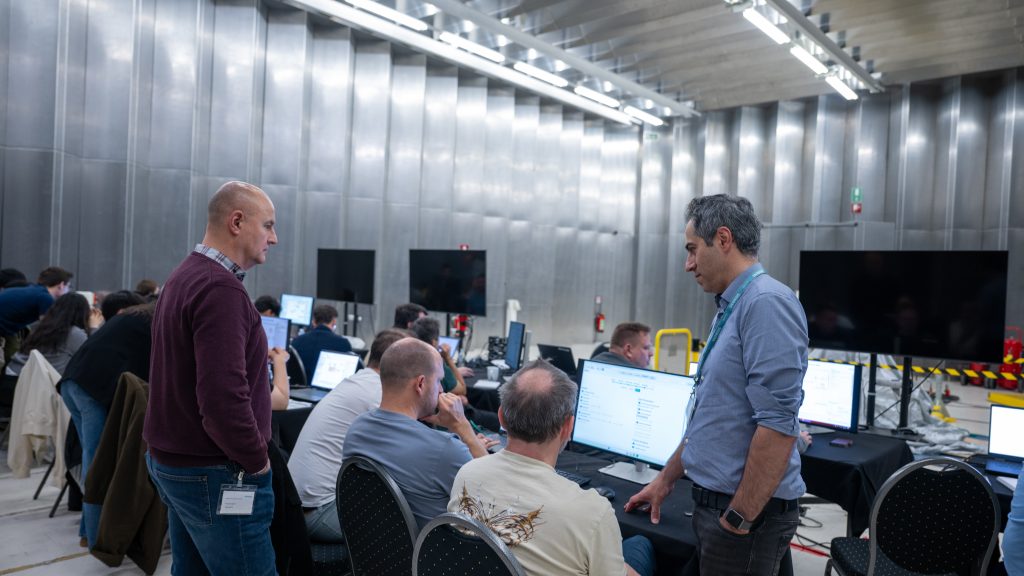
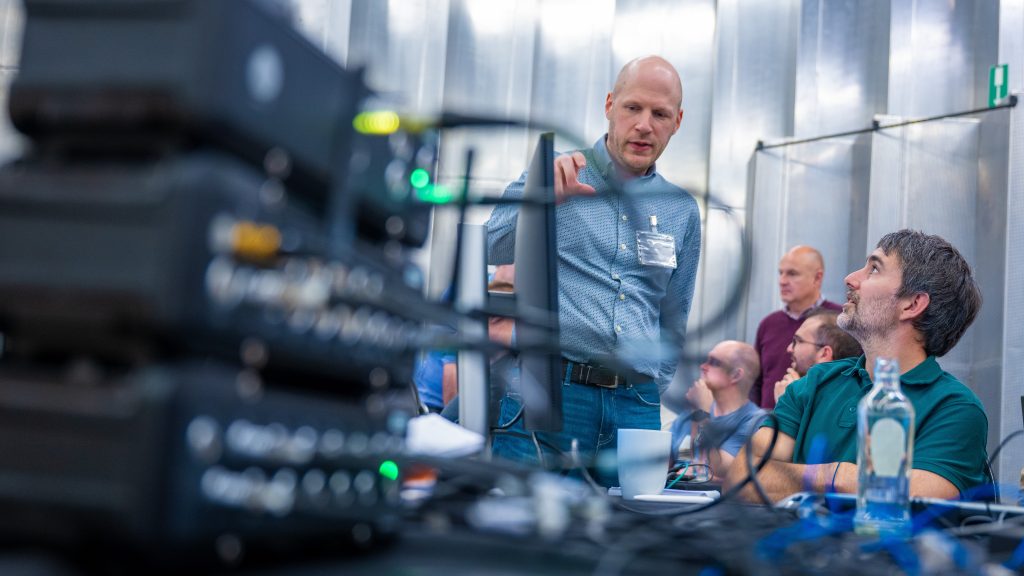
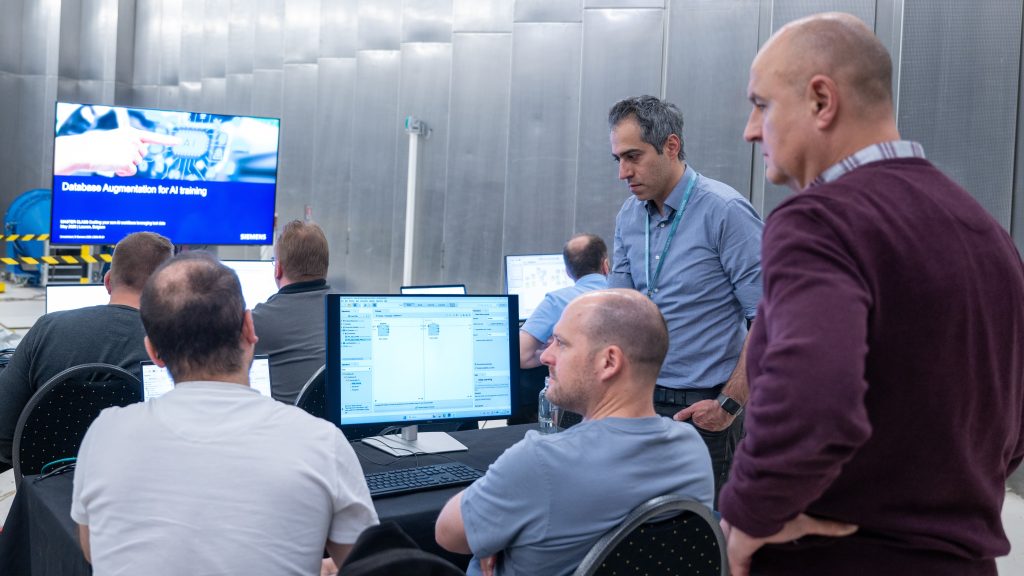
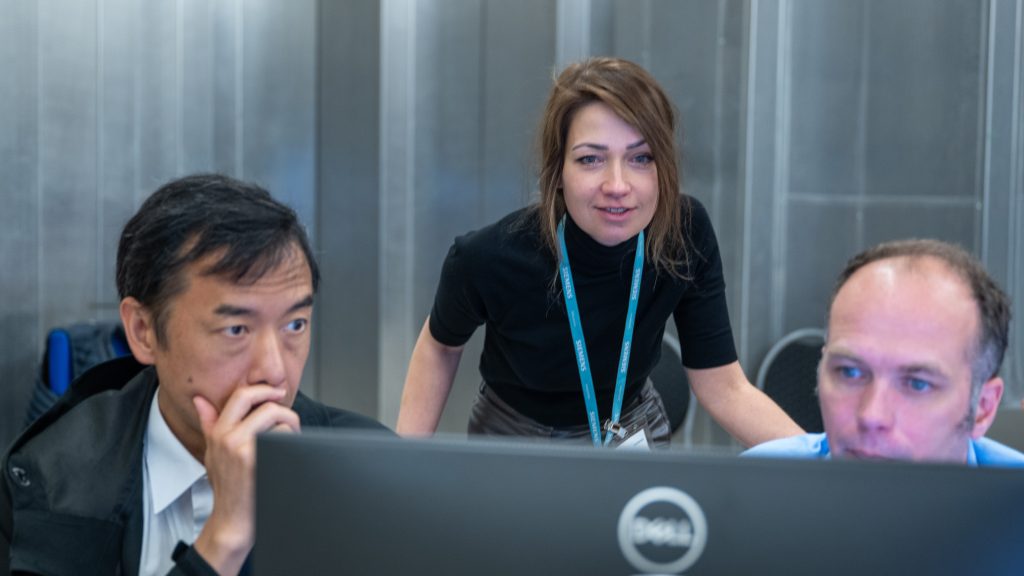
Everyone put the full process into practice during more than three hours of hands-on sessions (don’t worry! with breaks and lunch in between), starting with raw data in Simcenter Testlab, validating it, extracting and processing KPIs, exporting the dataset to Rapidminer AI Studio, training and evaluating models on a test dataset, and finally applying the models to make reliable predictions and informed decisions. The goal was to build confidence, so participants feel empowered to bring AI into their own workflows without seeing limited data science expertise as a barrier.
Later in the day, we reached the climax and most exciting moment: bringing the trained AI model back into Simcenter Testlab Process Designer, so future data can be fed in directly for immediate results. This eliminates the need to switch platforms and enables a fully integrated, AI-powered testing workflow, one the participants crafted themselves in the hands-on sessions.
Event wrap up
The final part of the event was highly interactive. We first shared our perspective on the future of AI-driven testing and how we’re adjusting our R&D roadmaps (1) to serve customers in the best possible way. In the closing session, we held a roundtable discussion where participants shared the challenges they want to tackle with AI to improve accuracy and efficiency. We truly appreciated their input and feel committed to smoothing the path ahead and supporting them as much as possible.
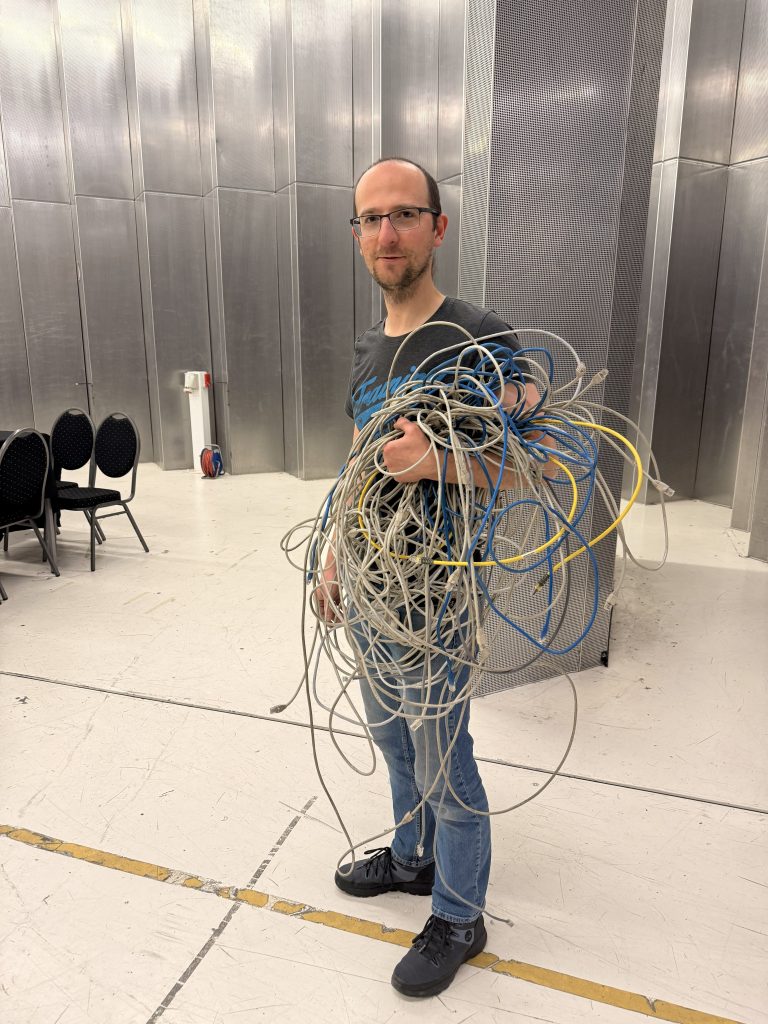
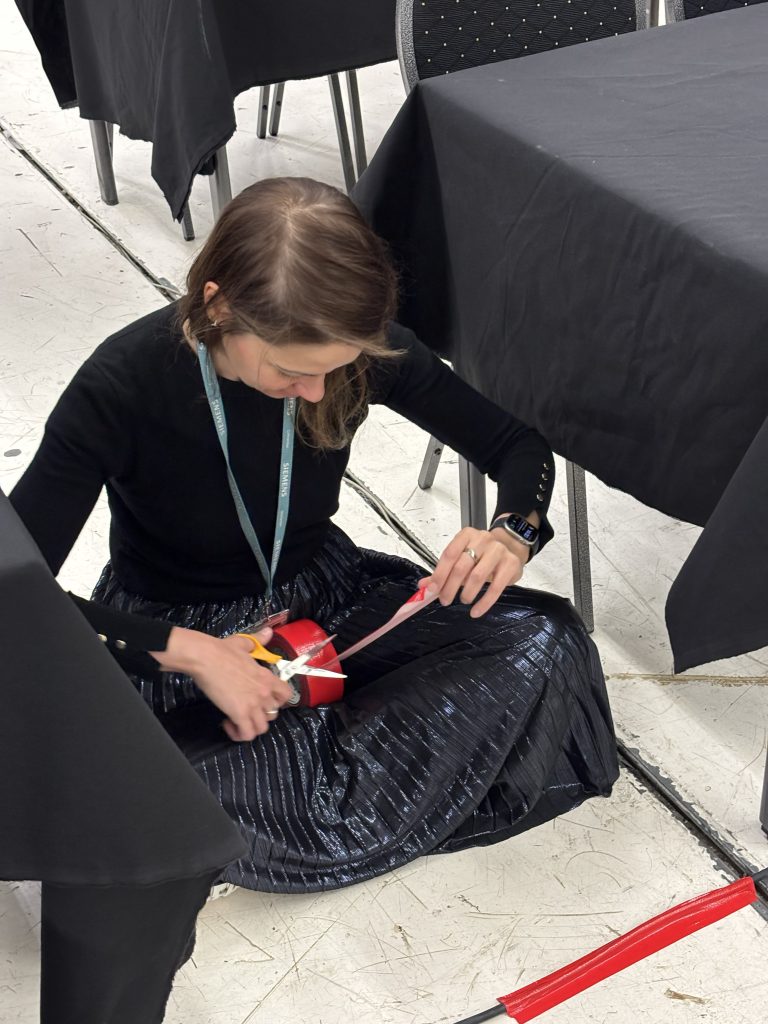
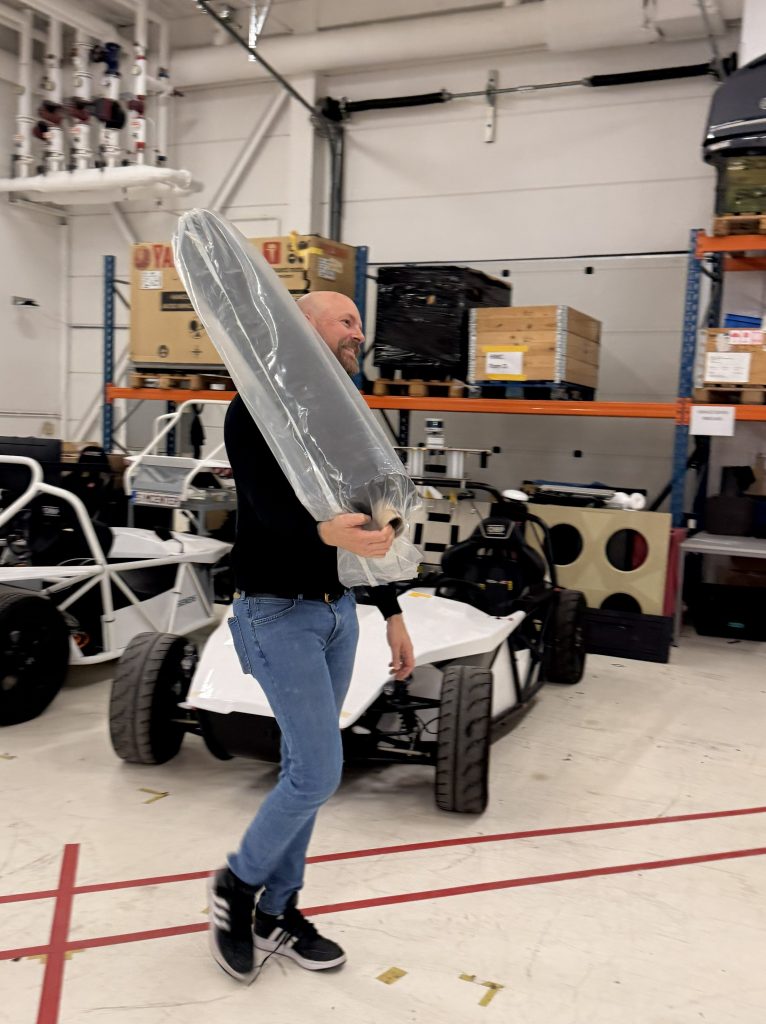
Organizing this master class wasn’t always easy (see the dedication below for a few pointers!). We tried to squeeze both AI and physical testing, two wonderfully complicated worlds, into the most effective three-day format possible. After many rounds of tweaking, trimming, and “just one more slide,” we finally landed on a balance that felt genuinely solid (2).
But we were really encouraged by the participants’ feedback, averaging 4.5 out of 5! Wow, going through the evaluation forms was the most honest way to see how we’d done, and the results truly surprised us (in the best possible way). Thank you for your trust and active participation; receiving such an exceptionally high rating means a lot to us.
What is coming next?
Given the strong interest and many requests to repeat this AI master class, we’re currently planning to take it on tour around the globe! Stay tuned, we will announce the next one soon (it is already known internally)!
Acknowledgments
(1) We gratefully acknowledge the support by VLAIO (Flanders Innovation & Entrepreneurship Agency) in the frame of the research project SATISFY.AI (“Simulation And TestIng Solutions For trustworthY data-centric AI”), with reference number HBC.2025.0492.
(2) A heartfelt thank you to our colleagues across Simcenter Physical Testing (Product Management, Go-To-Market, Research & Development (RTD), and our Industry Specialist teams), as well as Simcenter Engineering Services and Siemens Rapidminer for their outstanding contributions and collaboration, which were instrumental in making the event a success.