Humanity’s green destiny links to an oil and gas present
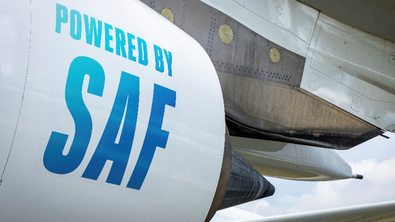
Many people consider it a contradiction that an oil and gas industry could exist within an environmentalist society. How can an industry so often associated with ecological impact possibly be part of humanity’s green destiny?!
Realistically, however, humanity and the petroleum industry are locked into a path towards environmentalism. First because both face the same existential threats of pollution and climate change. And second, nearly all the world’s systems – from infrastructure, manufacturing, healthcare, food, research, technology and more – run on petroleum fuels and feedstocks.
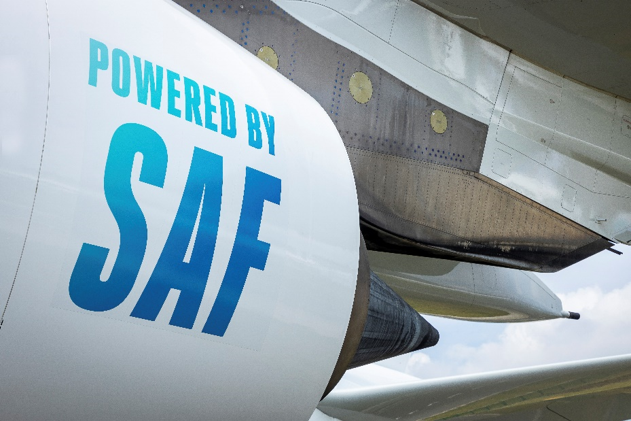
The truth is, for the foreseeable future, oil and gas will be a part of the industrial and energy landscape. Even as those landscapes journey towards a greener path. The fuels, products and energy made from petroleum are too useful to fully turn off the tap and doing so too hastily could cause their own ecological issues.
But this reality will not end the dreams of a green destiny. It just means that this society can only exist if the oil and gas industry changes.
Why humanity’s green destiny cannot quit oil and gas
Petroleum is embedded into nearly every aspect of human life. Even if humanity were to electrify every system that ran on fossil fuels, petroleum would still be a key ingredient to almost every aspect of humanity.
Take food and agriculture. Natural gas is a key feedstock to produce fertilizer.[1]
- Steam reformation of natural gas produces hydrogen.
- That hydrogen is then made into ammonia.
- The ammonia is made into urea.
- And the urea is used to make fertilizer.
Simply put, if humans suddenly cut all use of petroleum, it would produce a global famine.
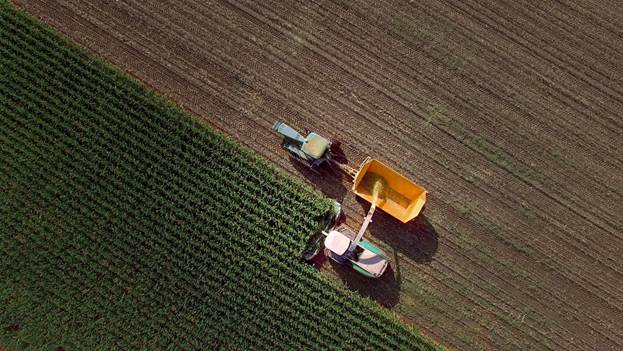
It’s not just food. Pharmaceuticals, cloths, dyes, plastics, building materials, industrial chemicals, sporting equipment, makeup, cleaning supplies, electronics and most other human necessities and luxuries can trace back to oil and gas feedstocks.
And remember, this is not including the use of petroleum as fuels. Our modern lives have just become that much better thanks in part to chemistry.
How oil and gas becomes sustainable
Just because society needs oil and gas, this does not take away the health, ecological and environmental impacts of the industry. So, something must change.
First, he suggests oil and gas companies become more efficient through digitalization. The industry’s data is traditionally siloed between disparate tools and databases – if collected at all. Through digitalization, the oil and gas lifecycle can be captured within a comprehensive Digital Twin. That twin can track emissions, resource usage and system bottlenecks. Once these issues are identified and tracked, the twin can help engineers design better equipment and processes.
Next, oil and gas companies need to transition to green energy and fuel sources. We are already seeing this happen as many traditional “oil and gas organizations” rebrand into “energy companies.” The idea is that consumers do not want gasoline. They want energy to power transportation, work, luxuries, necessities and lives. That energy can come from petroleum, or from more environmental sources like solar, hydro, wind and nuclear.
Finally, chemical and fuel producers need to search for similar, identical or equivalent green alternatives. This is, of course, easier said than done. It will take time and a lot of research to get there. But it is not a pipedream. Examples already exist such as biodiesel, sustainable aviation fuel (SAF), hydrogen-fuel cells/engines, plant-based fibres, vinegar-based cleaners and more.

Perhaps the best example is hydrogen. Hydrogen and oxygen can be produced via electrolysis – passing electricity through water – instead of the natural gas reformation process commonly used today. If the sources of the electricity are green, then the hydrogen is green. If the hydrogen is used as fuel, it burns into water – no pollutants. If it is used chemically, those workflows become more sustainable.
Now imagine a green process producing chemically similar, identical or equivalent products to oil and gas. In this scenario, oil and gas do not “disappear.” Instead, its source, industry and/or lifecycles become green.
Is there a contingency plan for this green destiny?
Traditional chemical, oil and gas producers are best suited to initiate these historic shifts. They have the capital, infrastructure, workforce and domain expertise to make this transformation as fast as possible.
But one might ask: what if they hesitate?
If that were to happen (and the oil and gas rebranding suggest otherwise) there is another slower, more expensive path towards humanity’s green destiny.
In this scenario, smaller and hungrier companies, or startups, will take on the transition. This David and Goliath path forward might seem unlikely, but history has seen this happen before. Other global monopolies have already melted into obscurity. For a great example, read about the natural ice industry in the blog: Inaction is a colossal risk in the industrial AI world.
Or, learn more about how the oil and gas industry can lead this transition by listening to the podcast: Bottom line, people can’t ditch oil. Is going green doomed?
[1] Fertilizers Europe, How Fertilizers Are Made. Available: https://www.fertilizerseurope.com/fertilizers-in-europe/how-fertilizers-are-made/. Accessed: 17-Sep-2026.