The future of manufacturing: Why innovation in MES is no longer optional

In the rapidly evolving landscape of industrial production, we are witnessing a fundamental shift. The Manufacturing Execution System (MES) is no longer just a “system of record” tucked away on the factory floor; it has become the central nervous system of the modern enterprise.
Current market trajectories reflect this urgency. The MES sector is projected to nearly double in the coming decade, growing from US$22 billion in 2026 to US$43 billion by 2036 1. It isn’t just about more factories buying software, it’s about a radical transformation in what that software does.
The strategic shift: Beyond monolithic systems
For years, manufacturers relied on monolithic, manual-entry platforms. Today, that model is obsolete. The industry is moving toward modular, machine-connected solutions where “data contextualization” is the new gold standard.
It is no longer enough to simply collect data; we must ground that data in context at the point of inception. By ensuring IT/OT integration and API-based interoperability, we eliminate the “after-the-fact” data linking that has historically slowed down decision-making.
“ Customers have unique demands about their data. That’s why we designed Opcenter X with the flexibility to run it in the cloud so that you have a seamless experience without the need for any IT departments around that or to run it in your cloud accounts or on premises.”
Tobias Lange – SVP MOM Business, Siemens Digital Industries Software.
Siemens Opcenter: Engineering the AI-Ready factory
At Siemens, we recognized these trends early. Our vision for Opcenter MES is built on the reality that the future of manufacturing is AI-driven. But AI is only as good as the data architecture beneath it.
This is where Opcenter innovation sets the standard. We have optimized the platform’s architecture to reduce hardware footprints by up to 50%, while leveraging open-source OS and database transitions to slash licensing costs by 60% to 85%. This isn’t just about saving money; it’s about creating a lean, containerized, Kubernetes-based environment that offers 99.99% uptime and the dynamic scaling required for global operations.
Innovation in action: The rise of the Copilot
The most significant leap forward in our latest release is the introduction of Agentic AI through the Opcenter Copilot family. We are moving away from complex manual screens toward conversational, intuitive interfaces that empower every level of the organization:
- The Modeling Copilot: Allows teams to update workflows, scrap codes, and bill-of-material items through simple dialogue, bypassing hours of manual configuration.
- The AI Repair Advisor: Specifically designed for electronics manufacturing, this tool uses machine learning to guide operators through complex repair sequences, identifying defect sources with surgical precision.
- The Configurator Copilot: Built on GitHub Copilot, it allows developers to manage metadata and business logic via natural language, dramatically reducing the time-to-value for system updates.
Production Copilot: Turns production data into corrective action
As already mentioned the manufacturing landscape is undergoing a fundamental shift, moving away from fragmented data silos toward a unified, intelligent ecosystem. At the heart of this transformation lies the Production Copilot, an AI-driven solution designed to bridge the gap between raw production data and strategic decision-making. By integrating seamlessly with Opcenter MES and establishing robust equipment connectivity, the Production Copilot creates a comprehensive data backbone. This infrastructure does more than just collect information; it contextualizes the specific conditions of the production floor alongside the unique characteristics of raw materials, providing a level of visibility that was previously unattainable.
The true value of this solution manifests in its ability to establish a single source of truth for the entire operation. Historically, maintenance strategies and operational adjustments often relied on human intuition or generalized assumptions.
The Production Copilot disrupts this paradigm by empowering teams with data-backed insights that drive precision and efficiency. Through the implementation of Agentic AI, the system offers context-aware support that streamlines user interactions, ensuring that the right information reaches the right person at the exact moment it is needed.
Furthermore, the integration of Generative AI transforms how users interact with complex datasets. Instead of navigating through dense reports or disparate dashboards, operators and managers can engage with the system directly, asking questions and receiving instant, actionable insights. This capability democratizes data access across the organization, allowing for rapid response to production anomalies and the continuous optimization of manufacturing processes.
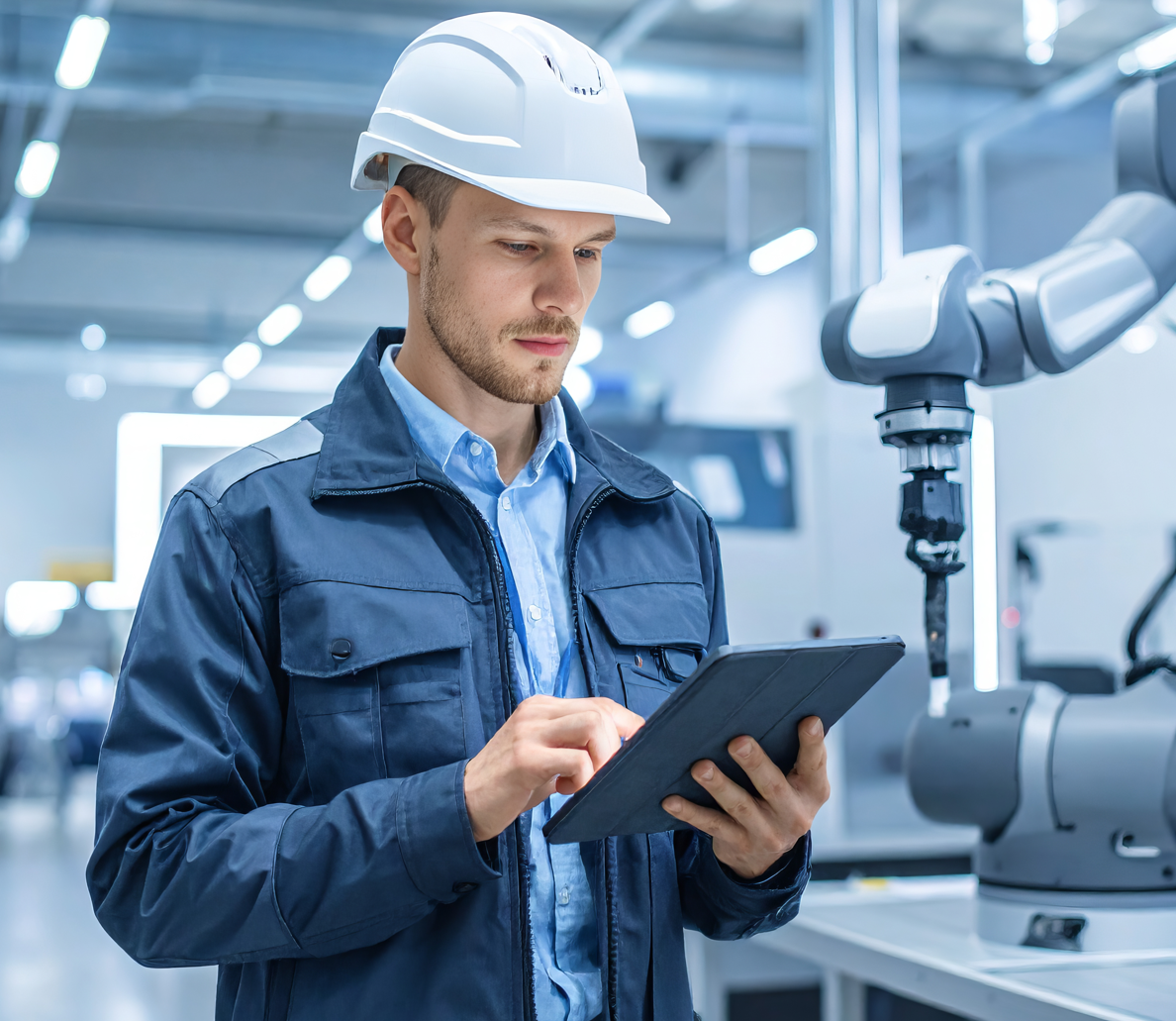
In essence, the Production Copilot is not just a tool for monitoring; it is a strategic partner that elevates the entire manufacturing operation into a more agile, informed, and competitive enterprise.
The Siemens value: Vision meets execution
Choosing an MES is a long-term strategic decision. Customers choose Siemens because we provide a clear path from today’s reactive operations to tomorrow’s autonomous factory. Our focus on “data fabric” ensures that your information is AI-ready from day one.
As the market continues its rapid expansion, the distinction between leaders and followers will be defined by their ability to integrate and innovate.
“ Opcenter is becoming a truly AI native offering. We are building out agents so that you have agentic capabilities, especially in the engineering stages. Also, we’re building out these capabilities to really assist the users on the shop floor on their daily work.”
Tobias Lange – SVP MOM Business, Siemens Digital Industries Software.
With Opcenter, we aren’t just keeping pace with market trends—we are defining them. We invite you to join us in building a more resilient, efficient, and innovative future for manufacturing.
Curious to see what this looks like in practice? Watch the entire video interview below, where Tobias Lange explores how these technologies are actively reshaping the shop floor.
Do you want to learn more about Opcenter? Click here.
- (©2026 ABI Research – September 08, 2026 Colin McMahon: Senior Analyst) ↩︎