Voice of MOM Partner Series – ATS Global and Siemens: Simplifying complexity in global manufacturing
Manufacturers are operating in an increasingly complex environment. Production is distributed across regions, supply chains are changing and companies need to respond faster to shifting market conditions. At the same time, many organizations struggle with fragmented systems and data that make it difficult to turn information into actionable insight.
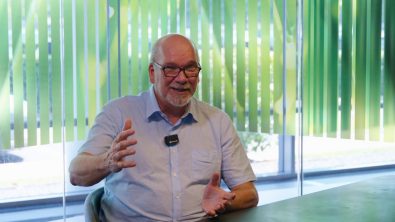
For Rob Valent, Global Partner Manager at ATS Global, reducing this complexity is at the heart of the company’s role as a Siemens partner. ATS Global operates across 28 countries and has worked with Siemens for more than 25 years. Its relationship with Siemens spans a broad portfolio across product lifecycle management (PLM), manufacturing operations management (MOM), manufacturing execution systems (MES), also including Opcenter Advanced Planning and Scheduling (APS), NX and Digital Logistics.
As more global manufacturers look for a partner that can support multiple production locations and regions, ATS Global aims to combine global capabilities with local expertise.
One partner for a complex global landscape
Today’s manufacturing operations often span multiple facilities, countries and regions. According to Valent, many are looking for a partner that can help manage this complexity rather than adding another layer to it. “We get more andmore requests from global customers that have multiple facilities in multiple regions, multiple locations and production locations. And they want to work with one partner.”
For ATS Global, this means drawing on the breadth of the Siemens portfolio and selecting the appropriate solution for a customer’s specific challenge. Rather than prescribing a single technology, the focus is on finding the right combination of capabilities for each situation.
Listen to the full interview
Turning data into insights
One of the challenges Valent sees across manufacturers, particularly small and medium-sized enterprises, is making effective use of their data.
“Not having the correct data to transform this into the information that you need to run your local business on a day-to-day basis is a major challenge,” he explains.
Many companies still rely on homegrown or one-off systems. While these may address specific requirements, they can also contribute to complexity over time. ATS Global sees growing demand for more readily available, standard functionality that can be implemented quickly and with as little complexity as possible.
The objective is to provide manufacturers with a more manageable foundation for accessing the information they need to operate their business.
Helping manufacturers adapt faster
Looking ahead, Valent expects the ability to adapt quickly to become increasingly important for European manufacturers.
The changing security situation in Europe and growing requirements in areas such as defense manufacturing can introduce additional certifications and other requirements, increasing the complexity manufacturers need to manage.
“Manufacturing companies have to adapt quickly, but we as a partner have to adapt even quicker than they do to reduce the complexity for them,” says Valent.
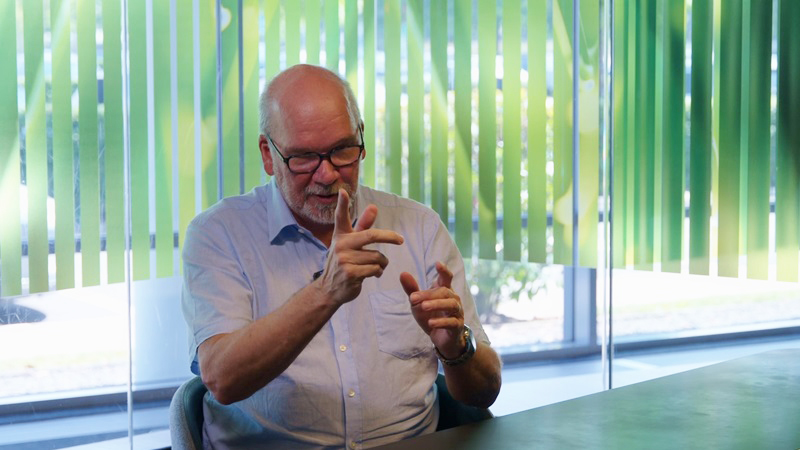
This requirement also applies to partners. ATS Global aims to reduce complexity, help customers implement solutions efficiently and ensure that technology investments deliver tangible value.
“Because they are not buying a product or a solution or work with a partner just to spend money, there needs to be value into what the partner is doing together with Siemens.”
Making AI practical for manufacturers
AI is another area where Valent sees significant potential, although he believes manufacturing adoption is still relatively slow.
“Everybody talks about it,” he says. “But if you see manufacturing, the adoption grade is, I would say, relatively low.”
One reason is that manufacturers do not always see clearly what AI can do for them. Valent believes this can change as AI becomes integrated directly into manufacturing solutions.
Manufacturers already have large amounts of data and information, but accessing and interpreting it can be labor-intensive. AI can help surface information more quickly and reduce the workload for users.
“It makes your life a lot easier, it saves a lot of time,” adds Valent.
For Valent, this is particularly relevant when manufacturers are struggling to find enough skilled resources. Technologies that reduce manual workload and help employees work more efficiently can therefore create practical value.
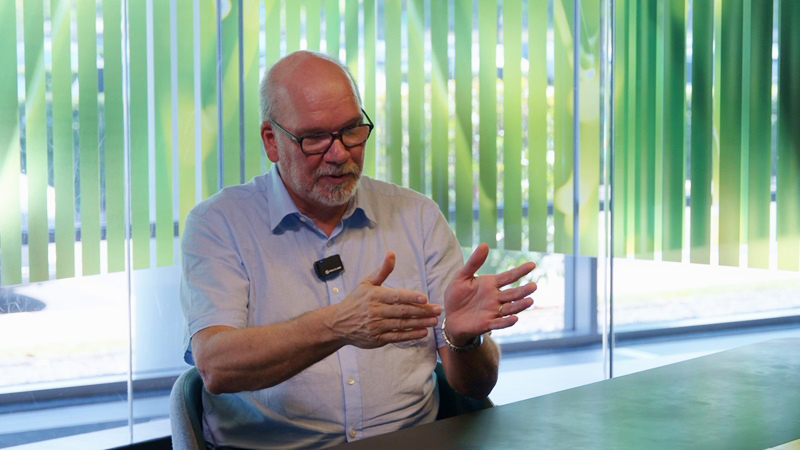
Combining global reach with local expertise
Technology is only part of the equation. For a global partner such as ATS Global, the ability to work effectively across different Siemens organizations and markets is equally important.
Working with a global technology company such as Siemens can itself involve complexity, with different countries having their own organizations, priorities and partner relationships. Once these relationships are established, however, they can create significant value for customers.
In the BeNeLux region, ATS Global works closely with Siemens partner managers and subject-matter experts. Bringing Siemens into customer engagements can reinforce confidence in both the partner and the proposed solution.
“When Siemens joins you, you get a quality stamp on what you’re doing.”
According to Valent, this can be particularly valuable when working with small and medium-sized businesses.
A partnership built for the long term
ATS Global and Siemens have developed their relationship over more than two decades. Valent describes it as a healthy partnership that has evolved as technology and customer requirements have changed.
He sees the continued development of the Siemens portfolio, particularly the integration of AI and capabilities designed to make solutions easier to use, as an important part of the relationship.
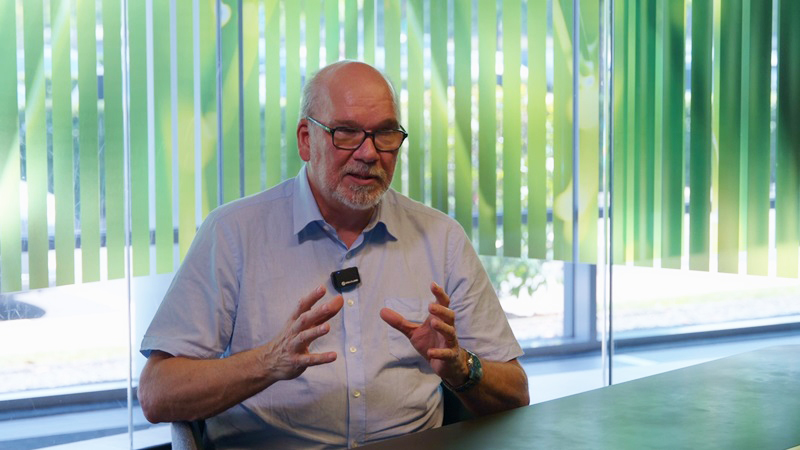
There is so much effort in there that for the next ten years I don’t worry at all about having availability of the portfolio for the customers’ needs.
ATS Global is also investing in its own growth. In the BeNeLux region, the company has expanded its sales organization, with Siemens involved in the pre-qualification process for new sales personnel. Valent sees this as an important step toward expanding its presence across areas such as MES, APS and Digital Logistics.
Simplifying the path to digitalization
For global manufacturers, digital transformation involves multiple sites, systems, processes and regional requirements. The role of a partner is therefore not simply to implement technology, but to help absorb this complexity and translate a broad portfolio into solutions that address specific business challenges.
With its global reach, local expertise and longstanding relationship with Siemens, ATS Global aims to make digital transformation more manageable while keeping the focus on practical business value.
As manufacturing becomes more connected and AI increasingly becomes part of the technology landscape, the ability to simplify complexity may become just as important as the technology itself.
Frequently Asked Questions (FAQ)
What challenges do global manufacturers face with digitalization?
Global manufacturers often operate across multiple facilities, countries and regions, which can make systems, processes and data increasingly complex. Fragmented or homegrown systems can make it difficult to turn available data into the information needed for day-to-day operations.
How can a manufacturing partner help companies manage complexity?
A manufacturing technology partner can help companies select and combine the capabilities that best fit their specific business challenges rather than prescribing a single technology. For global manufacturers, working with one partner across multiple locations can also help reduce implementation complexity.
How can manufacturers make better use of their production data?
Manufacturers need the right data and a manageable foundation for transforming it into useful information. Moving away from fragmented, one-off systems toward standard functionality that can be implemented efficiently can help make operational information more accessible.
What role can AI play in manufacturing operations?
AI can help manufacturers access and interpret information more quickly, reducing manual effort for users. According to Rob Valent of ATS Global, integrating AI directly into manufacturing solutions can make its practical benefits easier to understand and can be particularly valuable when companies face shortages of skilled resources.
How do ATS Global and Siemens support global manufacturing digitalization?
ATS Global combines global capabilities with local expertise and works with Siemens across a broad portfolio including PLM, MOM, MES, Opcenter APS, NX and Digital Logistics. In this context, ATS Global also works closely with Siemens partner managers and subject-matter experts to support customer engagements.