AI-Powered Manufacturing Planning at IMTS 2026: Bridging Engineering and Production
At IMTS 2026, Siemens proved that the real value of industrial AI isn’t found in isolated tools, but in what it connects. Following our jet engine scavenger pump from Stage 1 (Design), we now cross the crucial bridge from what we are going to make to how we are going to make it.
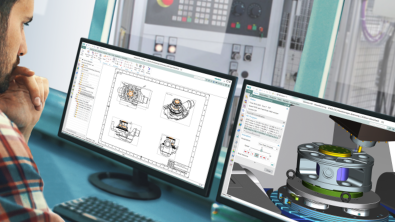
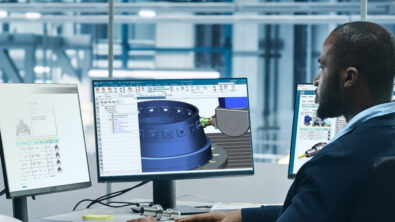
Carrying design data forward into manufacturing planning is where engineering meets physical reality. Visitors at the Siemens booth experienced how a connected digital thread transforms a finalized CAD model into a complete, production-ready manufacturing plan, seamlessly aligning orders, quotes, assembly validation, and shop-floor ergonomics.
Stage 2: Inside Teamcenter Easy Plan and Manufacturing Planning
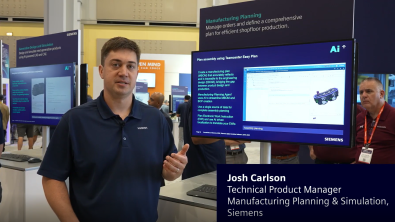
Hear from Siemens expert, Josh Carlson, as he demonstrates the power of Siemens manufacturing planning solutions. During the live booth walkthrough, transitioning from design to production requires structured, intelligent planning to ensure first-time-right execution. Here is how Stage 2 connects engineering to the plant floor:
Here is how Stage 2 moves from defining the manufacturing plan to virtually validating and optimizing production:
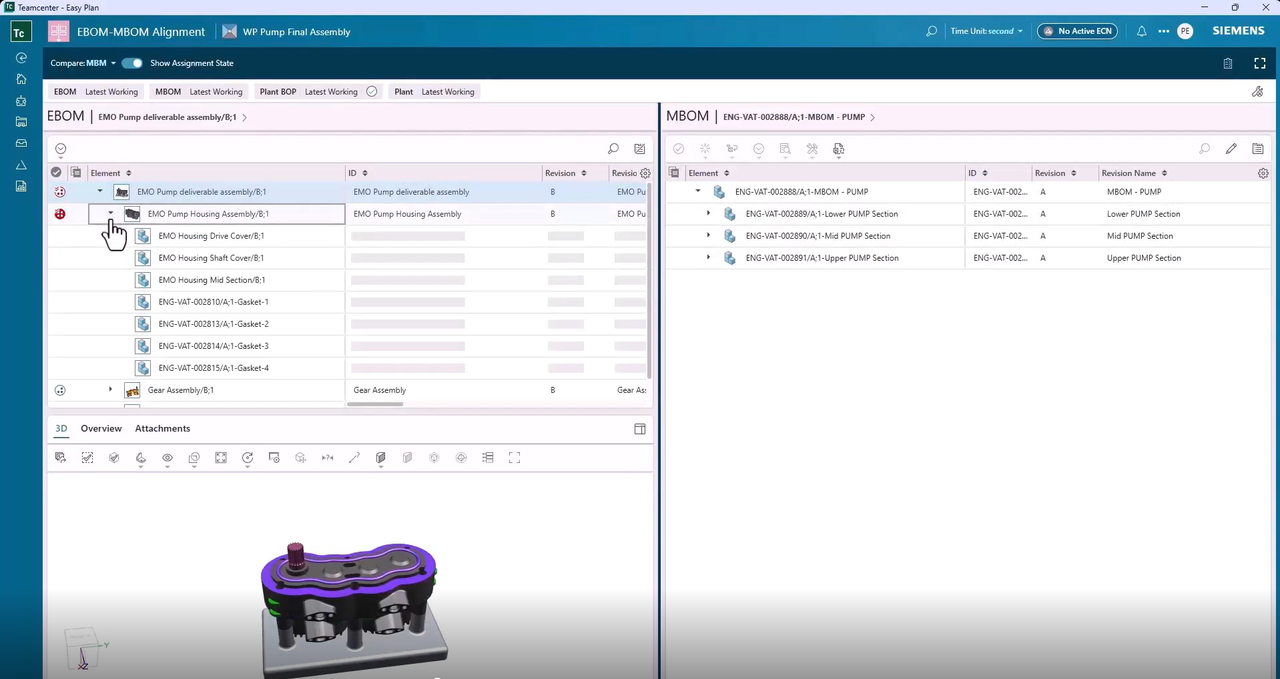
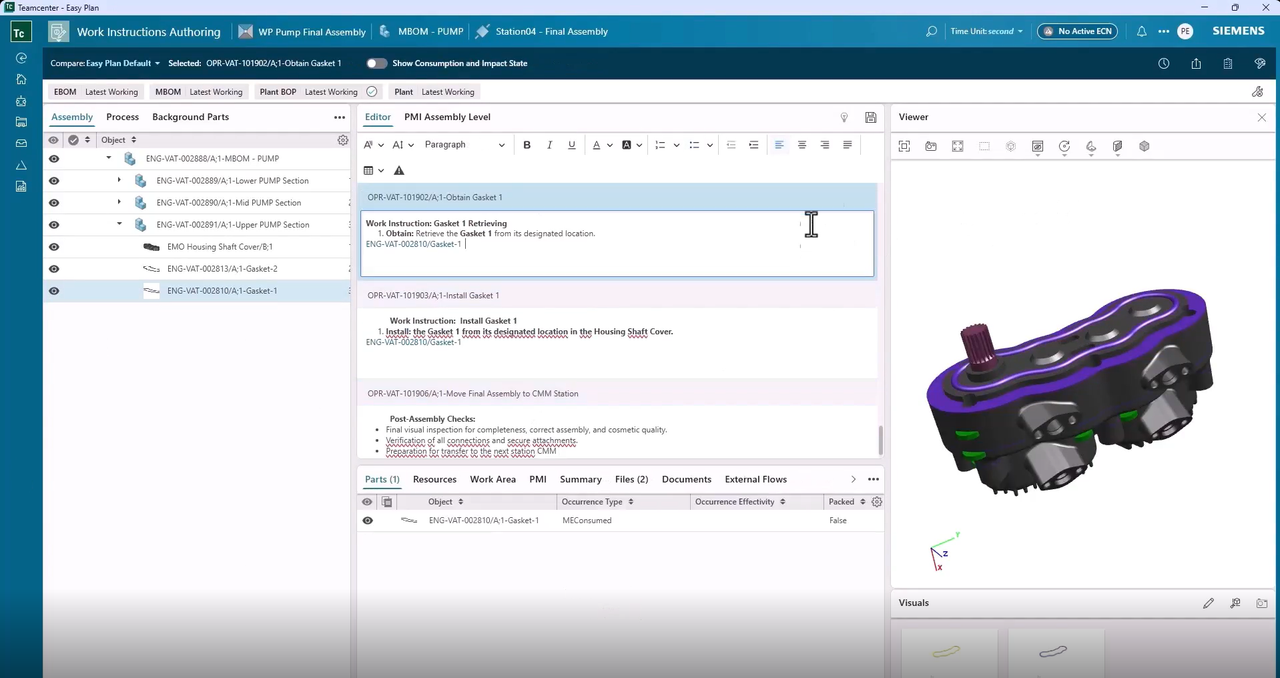
Transforming the BOM to the MBOM: Moving from Designcenter X into Teamcenter Easy Plan, engineers take the engineering bill of materials (EBOM) and align it with the manufacturing bill of materials (MBOM), defining required equipment and authoring the bill of equipment.
Authoring Processes and Electronic Work Instructions: Teams define how parts are consumed and flow through the plant, structuring the bill of process and generating clear, electronic work instructions streamlined by AI copilots and agents.

Virtual Validation via Process Simulate and Plant Simulation: Data flows directly into manufacturing simulation tools to run bottleneck analysis, what-if scenarios, throughput checks, checking for robot collisions, and human ergonomics – all tested before physical equipment ever hits the floor.
Prompt-Driven Simulation & SimTalk AI: Engineers can use natural language prompts to have AI-powered copilots help automatically detect robot collisions, generate ergonomic safety summaries, and author complex SimTalk programming, democratizing advanced digital twin creation.

Manufacturers at IMTS 2026 wanted to know how to bridge the gap between engineering and production, how to eliminate shop-floor bottlenecks, and how AI can capture expert knowledge to make planning faster and more resilient.
Stay tuned as we follow our jet engine scavenger pump out of manufacturing planning and simulation, moving into the next phase of the digital thread: advanced CAM programming and real-time manufacturing execution systems.