Bringing the future of SDVs to manufacturers today
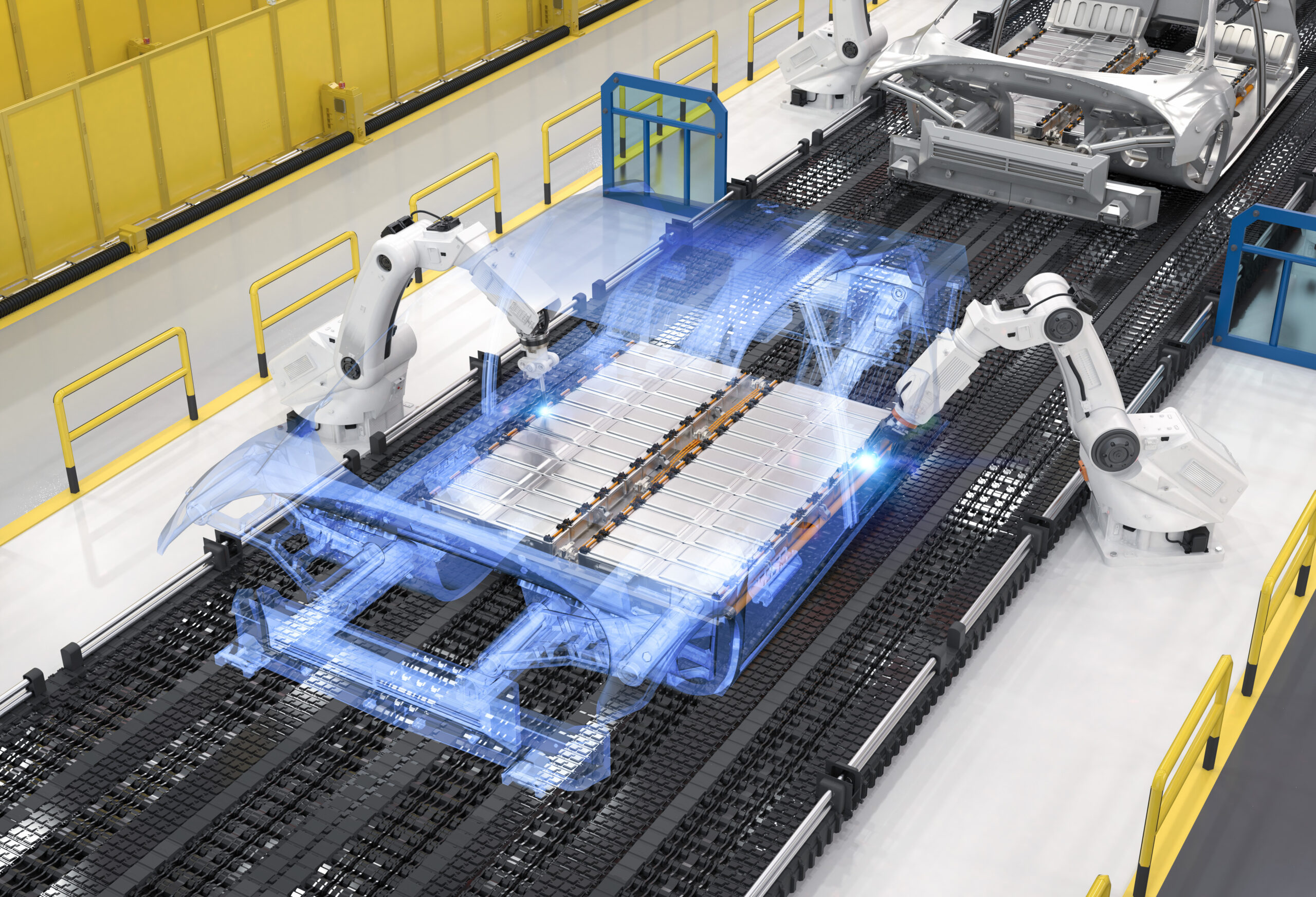
The future of software-defined vehicles (SDVs) is here today. The challenge is recapturing the value of the switch to electronics and software in vehicles. In the first two parts of our discussion with David Fritz and Michael Munsey on SDVs, we covered many of the whys and hows of development with the digital twin as the foundation. For this third and final part of the discussion we focused on what is changing in the world of automotive to bring greater success to SDVs.
You can get the full conversation by listening below, but keep reading past the embedded podcast to get some of the highlights from this great discussion.
A major challenge to the adoption of more and more autonomous features as the main selling point of new vehicles is the complexity of delivery was far underestimated. There are a few companies that have pushed ahead, but many are struggling to deliver an autonomy system that can rival the expectations of the consumers. Taking on the risk of autonomy features pushes automakers to unsure the vehicle is as safe as possible, but that also slows development. The solution isn’t to reduce the safety overhead of these complex products. Instead, it is to deploy software that can take this burden off of the developers of the products.
By designing a software-defined vehicle in a scalable manner, an emphasis on early and highly parallelized simulation, manufacturers can reduce the work that is needed across their product line. Modularized hardware and software interconnections means a sensor package and its firmware could be used across different models of vehicle. Having a standardized communication architecture makes it easier to work with suppliers for highly complex parts of the vehicle. But this isn’t just for autonomy features. The entire car is becoming more dependent on electronics and software for operation – defining the braking curve in electric vehicles, providing seamless integration for hands-free cellphone use, and connecting to networks for internet connectivity and ongoing telemetry collection.
Being able to work on software and hardware integrations proactively, also saves money in avoiding recalls. Around 18 percent of recalls, according to NHTSA data from 2023 and 2024, were software related. That is 27 million units recalled in 2024 with a cost between $300 and $500 dollars each. Applying more testing in the digital environment against the different variations of a vehicle architecture is big money. Developing SDVs within the comprehensive Digital Twin makes this a viable path to cost savings with manufacturers.
Clever software integration can also save money during procurement and silicon design. If you can lock-off certain features through software, rather than developing unique hardware for each model, business can save development time, get better pricing on the hardware, and even reduce the complexity of the shop floor. The challenge comes in balancing these potential savings against the higher average cost of the powerful silicon compared to the lower cost hardware that would be in a base model. Simulation, early testing and a closed loop between customer needs and development, all within the comprehensive Digital Twin can help outline the business predictions for these different decisions.
There is still so much more that these three exports talk about in episode 8 of Siemens’ On the Move Podcast. I’d highly recommend tuning in. Or hit subscribe so you don’t miss future conversations around the world of automotive.
Siemens Digital Industries Software helps organizations of all sizes digitally transform using software, hardware and services from the Siemens Xcelerator business platform. Siemens’ software and the comprehensive digital twin enable companies to optimize their design, engineering and manufacturing processes to turn today’s ideas into the sustainable products of the future. From chips to entire systems, from product to process, across all industries. Siemens Digital Industries Software – Accelerating transformation.