Optimizing ergonomics using Process Simulate Virtual Reality in the Marine industry
Manufacturing in the marine industry comes with a unique set of challenges. Ships and submarines are highly complex products, where space is limited, equipment is densely integrated, and manufacturing and maintenance activities often need to be performed in confined and difficult-to-access areas. Operators may need to install, assemble, or maintain large and heavy components within these constrained environments. As a result, understanding how people can safely access, handle, position, and work around equipment is an important part of manufacturing planning. Space utilization, accessibility, human posture, physical loads, and task feasibility all need to be considered early to find the right balance between manufacturability, operational efficiency, and worker safety.
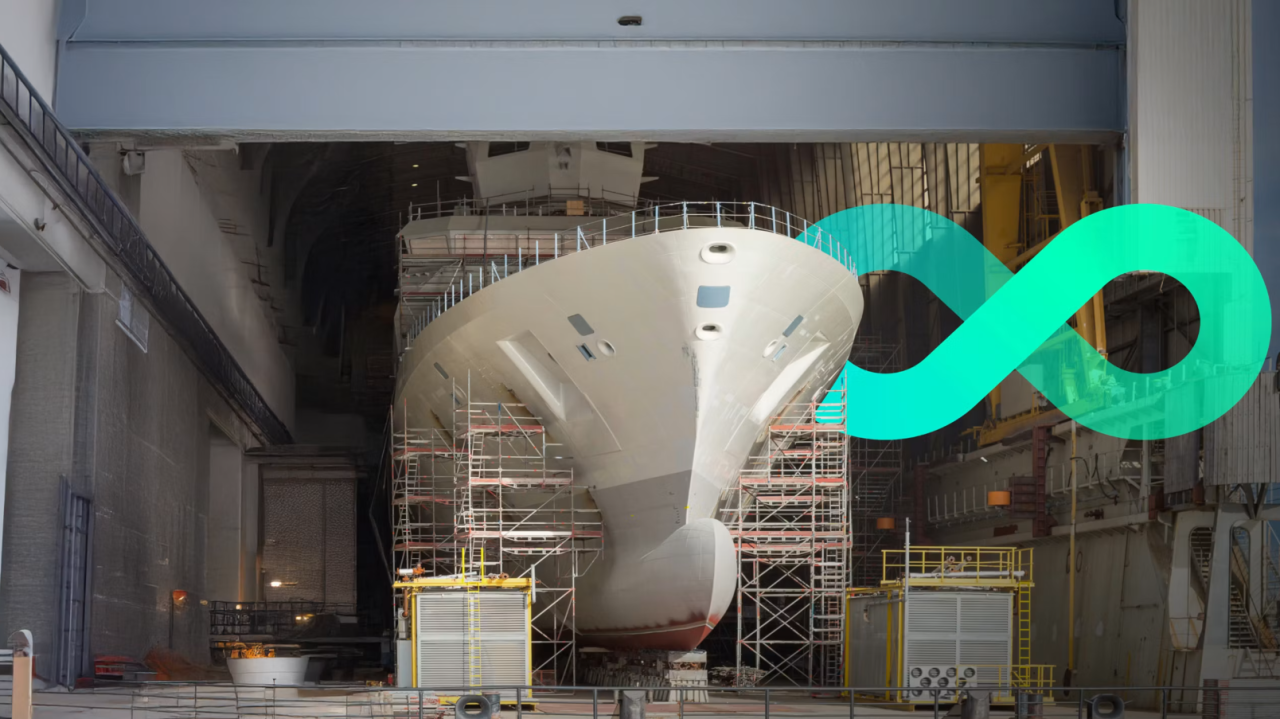
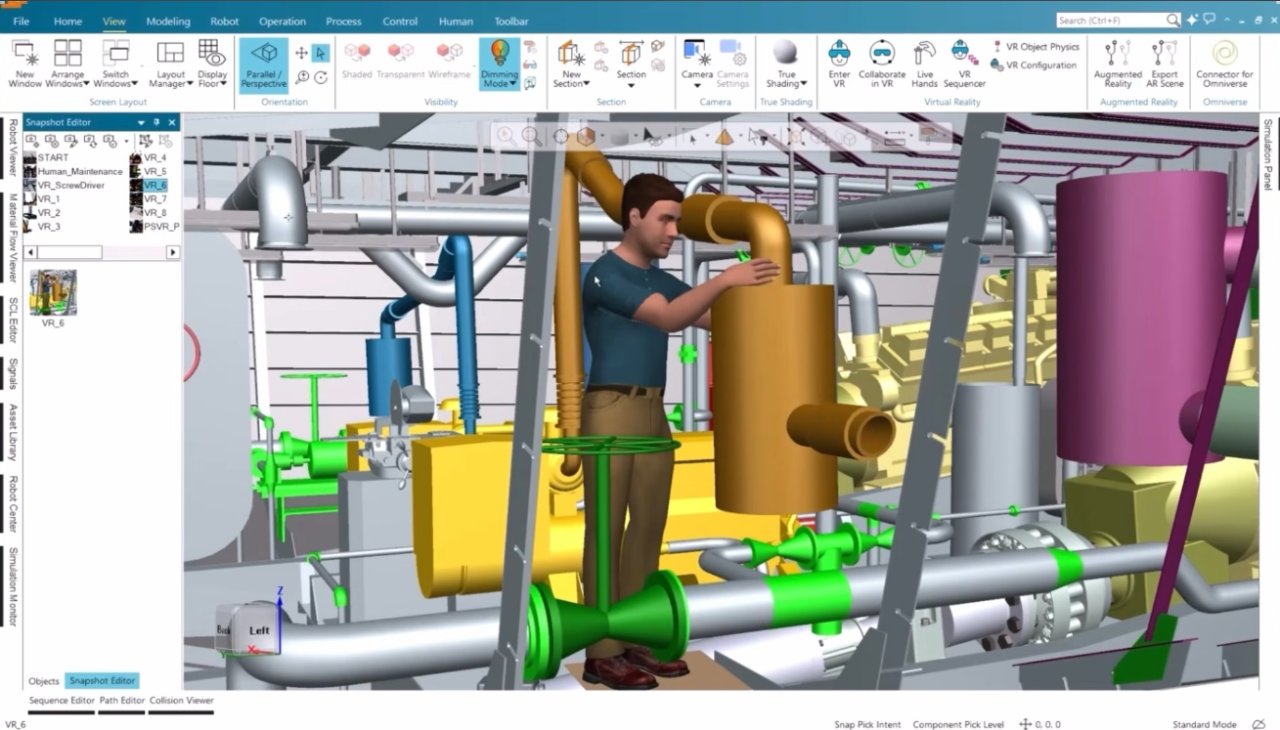
There’s where Siemens Process Simulate Human helps to assess manufacturability and maintainability of their equipment. On the shopfloor, operators usually need to work with large and heavy parts, which might be even harder to manipulate when it gets in the vessels. Imagine how crowded and tight it can be on a ship, or in a submarine. Space consumption is a critical topic and is usually optimized, considering human postures, loads and accessibility, to find the right balance for efficiency and safety. Explore how Process Simulate helps accelerate the virtual validation of the working environment.
Virtual Reality Collaboration in Process Simulate
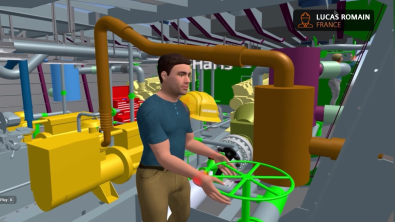
Ergonomic assessments have traditionally relied on a physical mock-up or on getting everyone into the same room at the same time. Neither is always practical, particularly when the people involved are based in different countries. Process Simulate’s Virtual Reality (VR) collaboration addresses this directly. In the video, two engineers join the same virtual session at the same time to assess how a person interacts with a piece of equipment: one working from a Meta Quest 3 in England, the other from an HTC Vive in France, with neither having to travel to take part.
Explore how Process Simulate Human and VR can help optimize marine ergonomics
Let’s explore the step-by-step workflow:
Starting the Session
The session begins in Process Simulate, where the study is prepared and a VR session is created. An invitation is sent to the colleague joining remotely, and once accepted, both engineers are placed inside the same virtual environment. They see the same equipment, the same virtual worker, and each other, all in real time, with no files to exchange and no risk of working from different versions of the study.
Adjusting Posture Naturally
This is where the value of VR becomes clear. Rather than adjusting a posture through menus on a flat screen, each engineer can reach in and move the figure directly, whether that’s an arm, the back, or the grip on a tool, and see immediately whether the resulting reach or movement is realistic. With two people in the same session, one can hold a posture in place while the other checks it from a different angle, much as they would if standing together on the shop floor.
Capturing Findings in Real Time
The session supports more than observation. Measurements can be taken directly in VR to confirm what is being seen, and any posture worth flagging can be captured on the spot as a snapshot with a note attached. This ensures that an issue such as an awkward reach or a tight clearance is recorded the moment it is identified, rather than relying on it being remembered afterwards.
Reviewing and Reporting
Once the session ends, none of that work is lost. Everything performed in VR can be played back alongside the snapshots and notes, giving the wider team a clear record of what was tested and what requires attention, even for colleagues who were not present in the session. From here, Process Simulate generates a full ergonomic report, scoring the posture against recognized standards and identifying exactly where action is needed.