Mission Success with Siemens Digital Manufacturing at Axiom Space
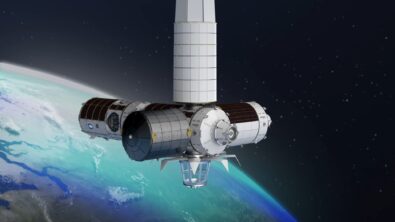
From Earth to orbit, Siemens digital manufacturing solutions are shaping the future of space. Axiom Space, a pioneering private space infrastructure developer, applies the Siemens digital thread with Teamcenter, Opcenter, and Simcenter to connect design, engineering, and manufacturing for next-generation space missions.
Imagine a time when sending humans into space was the dream of only a handful of nations, driven by fierce competition and ambitious missions. Fast forward six decades, and the landscape has changed. Space exploration is now a playground for private companies, global partnerships and innovation.
Nothing illustrates this better than Axiom Space’s recent Axiom Mission 4 (Ax-4), which didn’t just make headlines, but also united astronauts from India, Poland, and Hungary on a historic journey orbiting Earth.
Strategy, expertise and coordination set the stage, but Axiom Space’ commitment to digital transformation and forward-thinking innovation carried the mission to success.
Axiom Space : Making Space accessible to everyone
Axiom Space, headquartered in Houston, Texas, is the leading provider of human spaceflight services and developer of human-rated space infrastructure. Driven by a bold vision to make space accessible to everyone, Axiom is reimagining human spaceflight through three groundbreaking objectives that are shaping the future of exploration:
- Commercial Space Station Development – Building Axiom Station, the world’s first commercial space station, designed for research, industrial applications, and eventual independence from the ISS.
- Private and Government Human Spaceflight – Conducting crewed missions to the International Space Station (ISS), including opportunities for private astronauts and international participants, supported by comprehensive training and extended stays in low Earth orbit.
- In-Space Research, Manufacturing, and Tourism – Facilitating microgravity research, in-space manufacturing, and immersive space tourism experiences, opening new frontiers for scientific, industrial, and commercial activities in orbit.
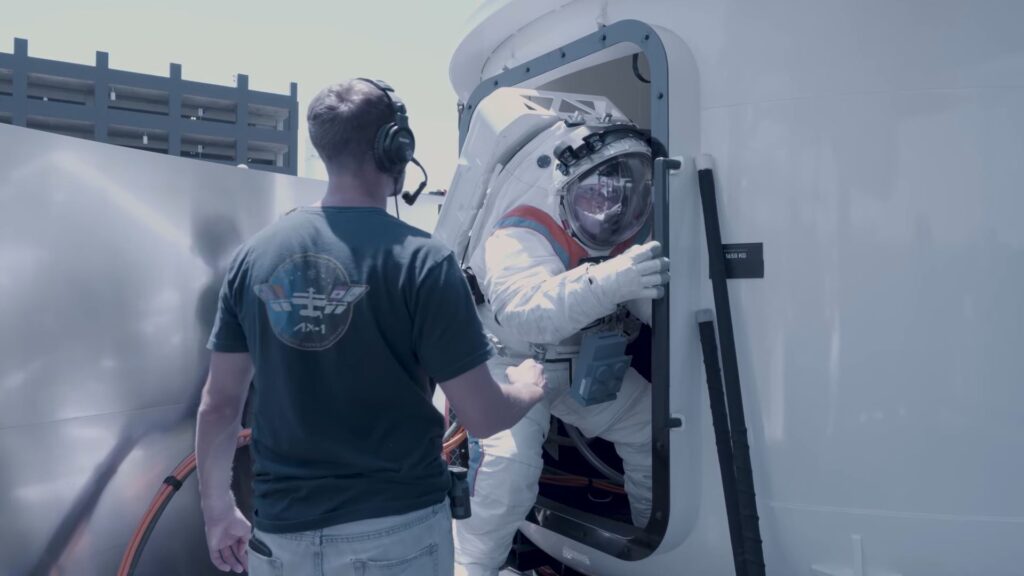
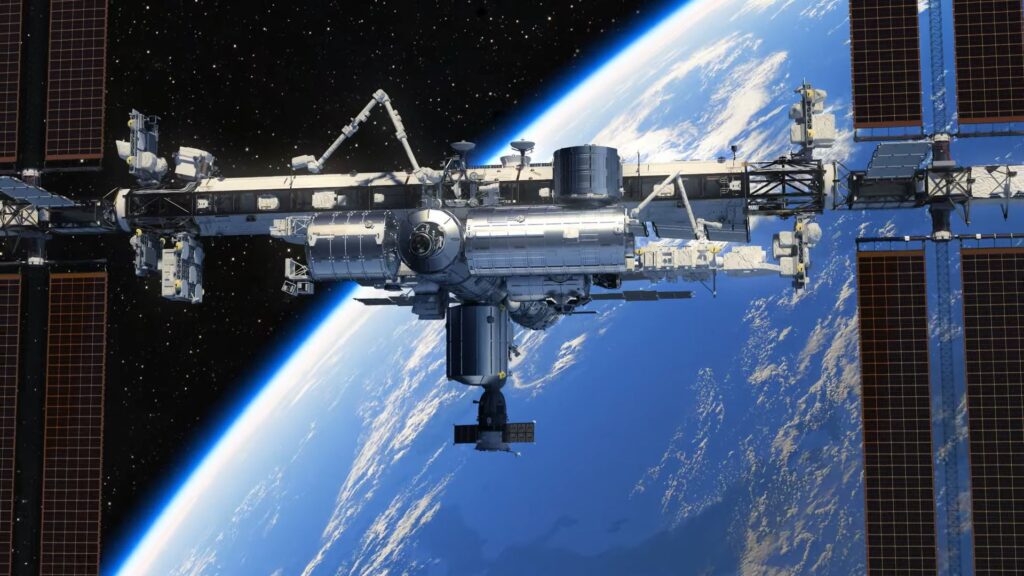
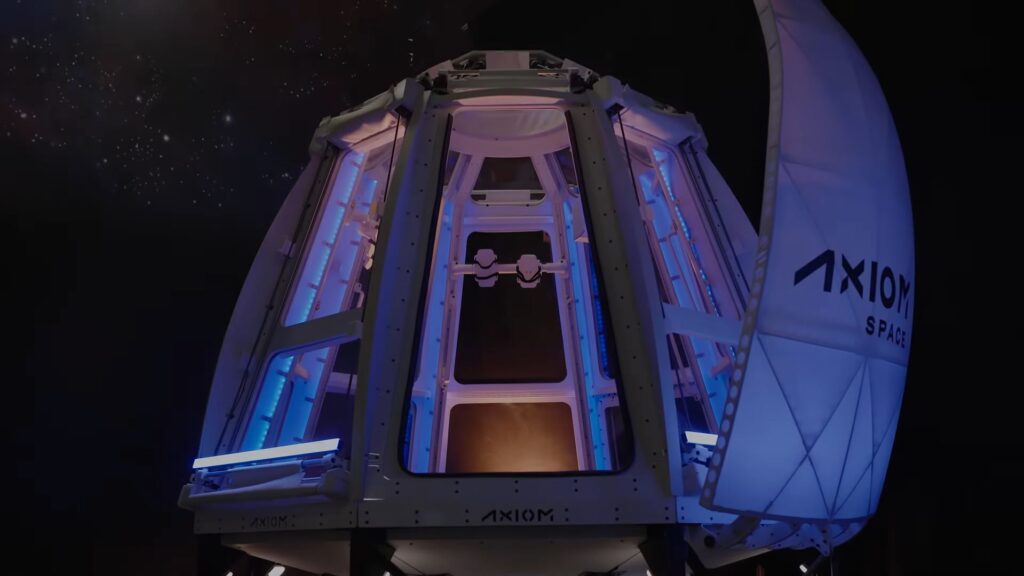
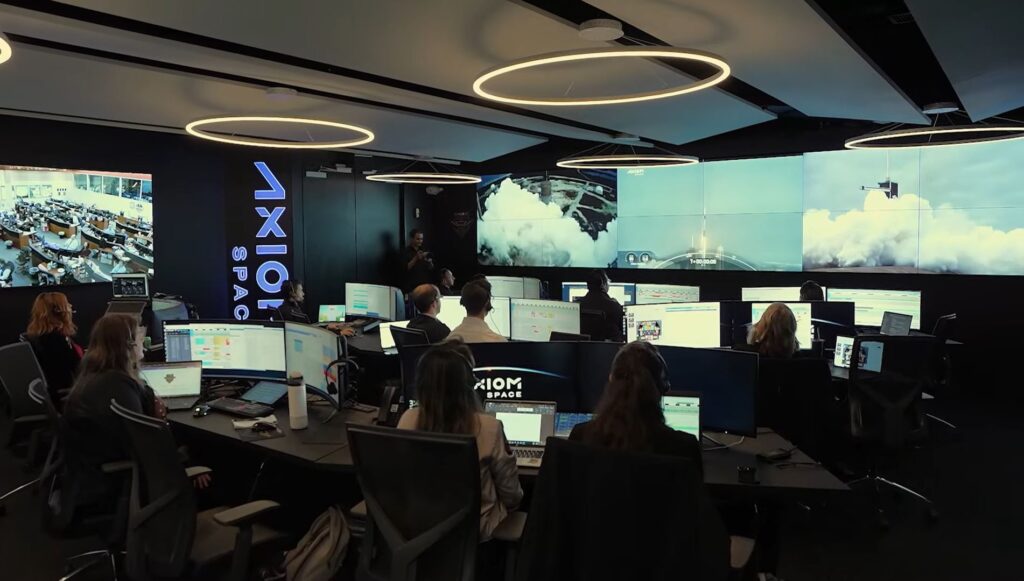
Through these pursuits, Axiom Space is extending human presence in orbit and creating opportunities for discovery, innovation, and global participation in space.
Leveraging the Digital Thread – From Concept to Launch
Like many startups, Axiom Space began its journey with big ideas but fragmented systems. Each team had its independent software to solve specific problems, making it difficult to see the full picture or collaborate efficiently. For a company pioneering human spaceflight and developing human-rated space infrastructure, every disconnected workflow meant higher risk, more rework, and tighter schedules. Streamlined, connected processes were essential to ensure mission success and keep ambitious timelines on track.
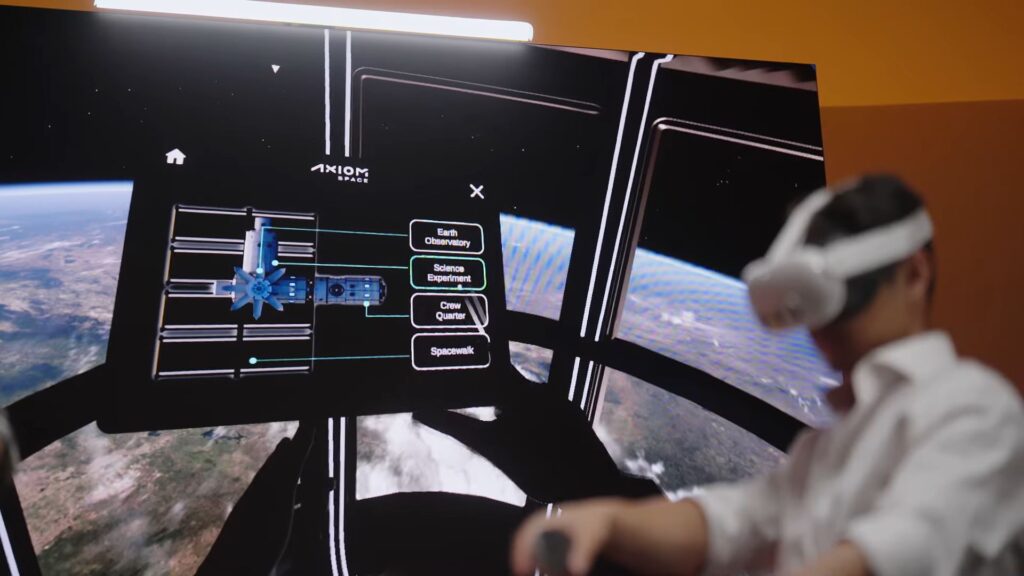
To tackle these challenges, Axiom used a digital thread throughout the entire development process—from the first napkin sketch to engineering validation, manufacturing, and long-term sustainment. This seamless flow of data gave engineers real-time visibility into how design choices impacted production and mission performance. Decisions could be made more quickly, errors were identified earlier, and lessons learned during each mission could help guide improvements for future ones.
By leveraging something like Teamcenter with Opcenter and Simcenter, we really created this single platform where we’re able to stitch that data together in a digital thread. And so what that has allowed us to do is be able to leverage that data both downstream and upstream as changes happen.
Branden Ramsey, Senior Director of Digital Transformation, Axiom Space
Teamcenter, Opcenter and Simcenter in action
Making the digital thread real meant building a strong technology backbone—one that could connect the golden triangle of manufacturing: design, engineering, and production. Without this connection, silos form, decisions slow down, and rework becomes inevitable.
Axiom achieved this by integrating Teamcenter, Opcenter, and Simcenter into a single platform where data moved seamlessly across the golden triangle.
- Designers were no longer working in the dark. They could immediately see how their decisions shaped engineering and production.
- Engineers caught issues early by validating changes before they ever reached the shop floor.
- On the production side, every plan was current, accurate, and connected to reality, not an outdated version sitting in someone’s inbox.
This seamless flow turned what used to be rework and delays into faster decisions, fewer errors, and the confidence to plan even the most complex missions.
With Siemens Xcelerator’s open architecture, Axiom could connect these solutions without disrupting existing systems, giving the company the flexibility to grow and adapt as missions evolved. The result was more than efficiency, it was the ability to turn bold ideas into operational spacecraft, ready for launch.
Looking beyond the Horizon
With more data available than ever, understanding how to use it effectively is key for future missions. One of the most exciting aspects of Axiom’s digital thread is how stitched-together data can be applied in next-generation technologies like AI, machine learning, and advanced analytics. When the right data is available at the right time and fully controlled, engineers can explore new possibilities. Axiom sees the potential to use these technologies for predictive maintenance or even to analyze complex datasets and extract insights that could guide smarter decisions in the future.
At Siemens we are developing new solutions in AI and next-generation technologies that show what could be possible. Tasks that once required days of simulations or optimization may one day be completed in hours, turning complex processes into faster insights and opening the door to bolder innovation. Axiom recognizes the potential of these solutions to help push the boundaries of commercial spaceflight and prepare for the next generation of missions.
With Siemens digital manufacturing solutions, the future of space exploration and the human presence beyond Earth can be reimagined, accelerated, and expanded in ways that were once only imagined.