A red car chassis being assembled in a robotic assembly line inside a white factory.

The transition to software-defined vehicles

Cars today are incredibly different compared to cars just a few decades ago. Whereas cars were historically mechanically centric products,…

Flexible automation powered by AI

Humanoid robots bring humanlike flexibility while not being limited by human anatomy.

A conceptual holographic image of an AI computer chip.

Shifting left: How Makersite and Siemens enable sustainability by design

The concept of “shifting left” is especially critical for the development of sustainable products. The sooner companies have insights into…

Humanoids: automation that fits

Humanoid robots are emerging now because technology maturity, workforce needs and economics have all aligned. Combined with labor shortages, and lowering costs of materials, advancements in AI, compute, batteries, sensing and digital engineering are pushing these robots into real production environments.

A person reaching toward the camera, pressing a conceptual AI icon.

Designing in the dark: How AI brings clarity to sustainable product development

Much of the sustainability impact of a product is determined as soon as the design phase, yet the data that…

From SpaceX launch pads to nuclear power plants: Ben Kellie’s mission to make clean energy affordable

Ben Kellie is not a nuclear scientist. He’s an infrastructure builder. He spent years at SpaceX leading the launch pad…

Ontologies: How to make sense of the data explosions in process industries

Digitalization is burying the process industry under a mountain of data. Industry leaders must learn how ontologies make sense of it and transform it into revenue.

The major shift toward humanoids

Humanoid robots may be coming to a factory near you.

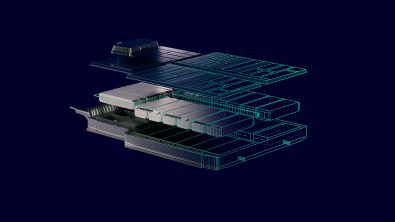
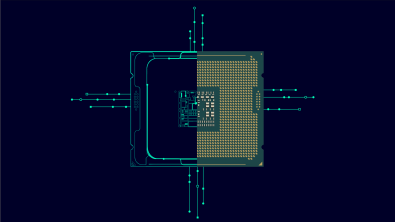
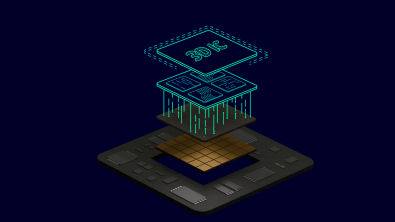
The importance of flexibility in AI chip design

AI is not a one size fits all solution for approaching industrial problems, rather, it’s important to tailor different models…