Humanoids: automation that fits

Humanoid robots are emerging now because technology maturity, workforce needs and economics have all aligned. Combined with labor shortages, and lowering costs of materials, advancements in AI, compute, batteries, sensing and digital engineering are pushing these robots into real production environments.

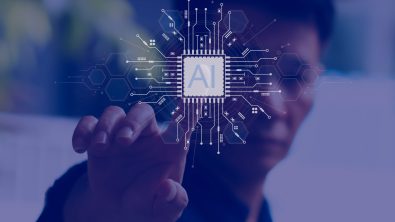
A person reaching toward the camera, pressing a conceptual AI icon.

Designing in the dark: How AI brings clarity to sustainable product development

Much of the sustainability impact of a product is determined as soon as the design phase, yet the data that…

Ontologies: How to make sense of the data explosions in process industries

The new digitalization era of the process industry is burying organizations under a mountain of information. Data, like entropy, is…

The major shift toward humanoids

Humanoid robots may be coming to a factory near you.

The importance of flexibility in AI chip design

AI is not a one size fits all solution for approaching industrial problems, rather, it’s important to tailor different models…

How AI and real‑world data are transforming industrial design – episode 9 of IM and AI podcast

Siemens experts explore how to capture industrial data to unlock new gains in the factory, touching on how to clean…

Developing an AI enhanced chip design process

If the only constant is change, then AI represents the next big change for many tools and industries. High-level synthesis,…

Understanding AI-assisted Chip Design

Chip design is one of the most complex and challenging tasks in the world, requiring specialized tools and knowledge far…

Supply chain digitalization supports greater efficiency, collaboration, and transparency.

Ep 31 – The Shift-Left in Supply Chain with Richard Barnett – Part 3

This is the third of a three part series with Richard Barnett, Chief Marketing Officer and SaaS Sales Leader at Supplyframe! Richard brings over 30 years of experience driving growth across enterprise SaaS, supply chain software, and digital platforms. In the final part of our discussion, Richard, Dale and I examine the progress of digitalization in industry, structural challenges to greater supply chain collaboration, and how digitalization can help address these challenges before wrapping up with final thoughts.