The battery revolution needs more than chemistry: it needs data
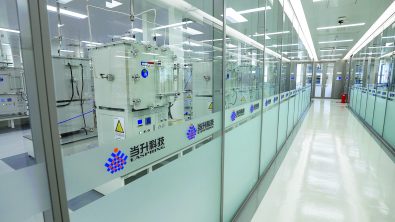
The race for lithium-ion dominance isn’t won in the lab anymore. It’s won by companies that can turn research breakthroughs into production reality faster than their competitors.
Here’s the challenge: cathode materials—the heart of every battery—are devilishly complex. One misstep in formulation, one untracked variable, one disconnected data silo, and months of R&D become expensive waste. When your competitors are measured in weeks, not months, traditional approaches become a liability.
This is where Easpring’s story gets interesting.
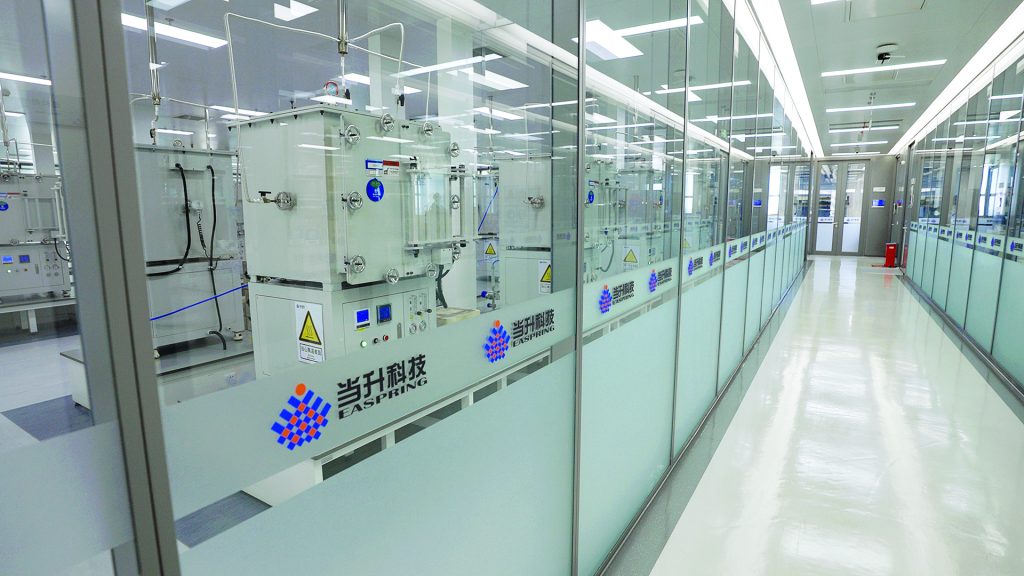
From scattered to synchronized
Easpring, China’s leading lithium-ion cathode material manufacturer, faced a familiar problem: brilliant scientists, fragmented data. Recipe information lived in documents. Manufacturing data sat in isolation. The result? Bottlenecks that slowed innovation and left money on the table.
The company needed a digital thread—a unified system connecting R&D, formulation, production and quality control into one intelligent ecosystem.
What happened next is worth paying attention to:
Using Siemens’ PLM and MOM platforms (Teamcenter and Opcenter), Easpring didn’t just digitize their processes—they fundamentally rewired how innovation becomes production.
The numbers tell the story
- 25% faster recipe development—formulations that once took months now move in weeks
- 18% reduction in testing and validation costs—less duplication, smarter reuse of data
- 15% lower material scrap rates—precision control replacing guesswork
- 6% boost in production efficiency, 7% increase in equipment utilization—every asset working harder
But here’s what makes this truly powerful: these aren’t isolated wins. They’re connected wins. Speed in R&D feeds into stability in manufacturing. Data integrity in the lab prevents waste on the line. Knowledge from failed experiments prevents repeating the same mistakes.
Read the full case study to discover how Easpring built a digital closed loop
that’s reshaping the battery industry

Why this matters beyond batteries
The lithium-ion market is projected to reach $33 billion in China alone by 2027, growing at 21% annually. In that environment, the winners won’t be the ones with the smartest chemists. They’ll be the ones who can iterate fastest, fail cheapest, and scale most reliably.
That’s a digital transformation story, not just a chemistry story.
The insight? In competitive industries where innovation cycles are measured in months and margins are thin, your data architecture is as critical as your product architecture. Disconnected systems don’t just slow you down—they bleed money.
What can you take away?
Easpring’s CEO puts it simply:
Siemens helps us innovate faster and deliver more reliably, directly enhancing our market competitiveness
That’s the promise of end-to-end digitalization—not as a nice-to-have, but as a competitive weapon. When your R&D team, production floor and supply chain all speak the same data language, magic happens.
Want to see how this plays out in practice?
Read the full case study to discover how Easpring built a digital closed loop
that’s reshaping the battery industry
The future of manufacturing isn’t about bigger factories or smarter people. It’s about smarter systems—and the companies that build them first will lead the race.