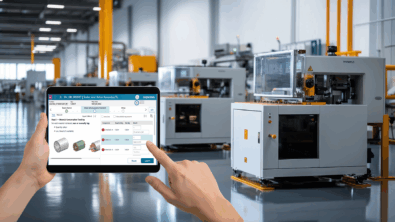
Join Siemens at Hannover Messe 2026 as we bring the promise of Industrial AI out of the lab and into…
Realize LIVE Europe 2026 presents a valuable opportunity to explore the transformative impact of digital quality management system (QMS) solutions…
Realize LIVE Americas 2026 offers an excellent opportunity to explore Siemens’ quality management system (QMS) solutions and their business impact….
How Siemens puts the Gartner “Build/Buy/Hybrid” report guidelines into practice with a modern MES, low-code extensibility, and a modular approach…
Siemens has been recognized as a leader in the Green Quadrant: Quality Management Software 2025 report by the independent research and advisory…
As the manufacturing world continues to evolve at a rapid pace, staying ahead of the latest trends and technologies is…
Extended smart copy function across specifications, roll-up any values from raw material to finished product and additional automatic calculations during…
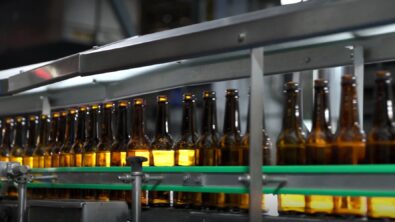
In a small town in Costa Rica, FIFCO began with a simple ice manufacturing plant 115 years ago. Today, the…
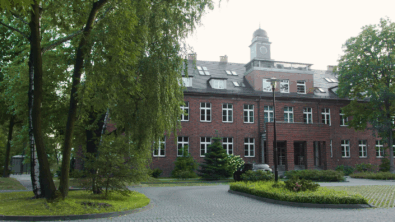
Born in the wake of Poland’s transition to capitalism in 1993, Askom’s story is one of resilience and strategic adaptation….