Why moving your CAM software to the cloud makes sense
PLM runs in the cloud. ERP runs in the cloud. MES is already moving to the cloud. What about CAM?”
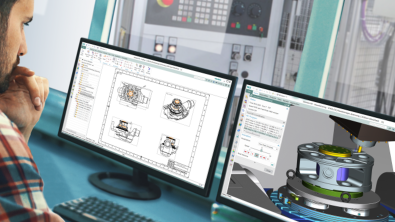
CAM is joining them. In today’s fast-paced part-manufacturing environment, on-premises CAM solutions slow collaboration, limits scalability, and prevents teams from accessing, sharing, and acting on manufacturing data in real time. Manufacturers are constantly seeking ways to streamline operations, improve efficiency, and stay ahead of the competition—and adopting cloud-based CAM system is the clear next step. Cloud-based CAM systems change the game—delivering secure access, real-time process planning, and the agility modern manufacturing demands.
In this blog post, we’ll explore why moving your CAM software to the cloud makes sense, how to effectively make the transition, and how Siemens can support you throughout the process.
1. The rise of cloud-based CAM solutions.
The manufacturing industry has undergone a significant digital transformation in recent years, with cloud computing playing a central role. Cloud-based CAM software, also known as SaaS (Software-as-a-Service) CAM solutions, are gaining traction as manufacturers recognize the advantages they offer over traditional on-premises CAM tools.
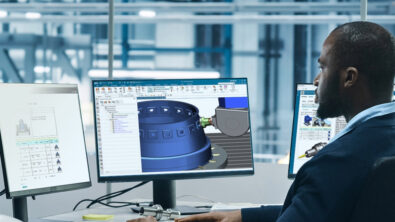
Cloud-based CAM Software Solutions allow users to access their CAM software and data from anywhere, at any time, using any internet-connected device. This eliminates the need for local hardware and software installations, reducing the burden on IT teams and enabling remote collaboration among geographically dispersed teams.
Moreover, cloud-based CAM solutions often come with automatic software updates and seamless integration with other cloud-based tools, ensuring that manufacturers always have access to the latest features and functionalities. This helps them stay competitive and adapt to changing market demands more efficiently.
2. The benefits of moving your CAM software to the cloud
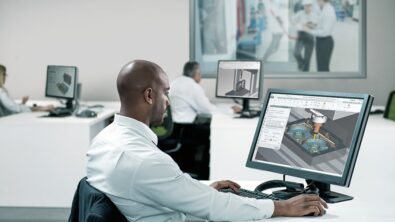
- Improved accessibility and collaboration: cloud-based CAM software enables users to access their design, simulation, and manufacturing data from any location, at any time, using any internet-connected device. This facilitates remote collaboration, allowing teams to work together on projects regardless of their physical location. By breaking down geographical barriers, cloud-based CAM solutions foster increased productivity, faster decision-making, and enhanced communication among stakeholders.
- Enhanced scalability and flexibility: cloud-based CAM platforms are inherently scalable, allowing manufacturers to easily add or remove users, storage, and computing power as their business needs evolve. This flexibility ensures that companies can quickly adapt to changing market conditions, seasonal fluctuations, or sudden spikes in demand without the need for costly hardware upgrades or software installations.
- Reduced IT burden and lower total cost of ownership: with cloud-based CAM solutions, the responsibility for software updates, security patches, and infrastructure maintenance shifts from the manufacturer to the cloud service provider. This significantly reduces the IT burden on in-house teams, freeing them up to focus on more strategic initiatives. Additionally, the subscription-based pricing model of cloud-based CAM software often results in lower upfront costs and more predictable, operational expenditures compared to traditional on-premises solutions.
- Improved data security and disaster recovery: cloud service providers typically invest heavily in robust data security measures, including encryption, access controls, and backup systems, to ensure the protection of sensitive manufacturing data. In the event of a natural disaster, hardware failure, or other unexpected events, cloud-based CAM solutions offer superior disaster recovery capabilities, minimizing the risk of data loss and ensuring business continuity.
- Faster updates: cloud-based CAM solutions automatically deliver the latest features, performance improvements, and security enhancements without manual installations. This eliminates downtime from upgrade cycles and ensures manufacturers can quickly adopt new technologies to stay competitive.
- Access to cutting-edge technologies: cloud-based CAM solutions often provide access to the latest software features, tools, and technologies, including artificial intelligence (AI), machine learning, and advanced simulation capabilities. By leveraging these cutting-edge capabilities, manufacturers can streamline their workflows, improve product quality, and enhance their overall competitiveness.
3. How to transition to cloud-based CAM software
Migrating your CAM software to the cloud can be a transformative process, but it requires careful planning and execution. Here are the key steps to consider when making the transition:
- Assess your current CAM landscape: begin by evaluating your existing CAM software, hardware, and infrastructure. Identify the key features, functionalities, and integration requirements that are critical to your manufacturing operations. This assessment will help you determine the cloud-based CAM solution that best aligns with your business needs.
- Evaluate cloud-based CAM options: research and compare the various cloud-based CAM solutions available in the market, such as Siemens NX X Manufacturing. Assess factors like scalability, security, user-friendliness, and integration capabilities to ensure the selected platform meets your requirements.
- Plan the migration process: develop a comprehensive migration plan that outlines the necessary steps, timelines, and resources required to transition to the cloud-based CAM solution. This may include data migration, user training, and integration with existing systems.
- Ensure a smooth transition: collaborate closely with your cloud service provider to ensure a seamless migration process. Prioritize user adoption by providing comprehensive training and support to your team, and establish clear communication channels to address any concerns or challenges that may arise during the transition.
- Leverage Siemens’ expertise: Siemens, a leading provider of CAM software and cloud-based manufacturing solutions, can be a valuable partner in your journey to the cloud. Siemens’ NX X Manufacturing platform offers a robust, cloud-based CAM solution that seamlessly integrates with other Siemens’ offerings, such as Teamcenter Share, to provide a comprehensive, end-to-end cloud-based manufacturing ecosystem.
Siemens’ experts can guide you through the entire process, from assessing your current CAM landscape to implementing and optimizing your cloud-based CAM solution. They can also provide training and support to ensure your team is equipped to leverage the full capabilities of the cloud-based platform.
4. Manufacture, collaborate, and scale with NX X Manufacturing
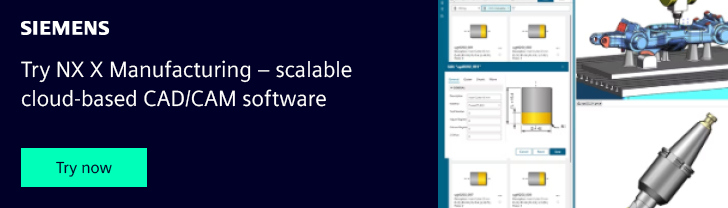
Modern cloud-based CAM solutions, like NX X Manufacturing, bring the full power of NX for Manufacturing to the cloud, combining CAD, CAM, probing, and collaboration tools in a single platform.
With NX X Manufacturing, manufacturers can:
- Boost productivity: Generate toolpaths and machining strategies using cloud-scalable computing for complex parts, and simulate CNC programs virtually to reduce errors, scrap, and rework.
- Optimize processes: Accelerate production cycles and streamline operations with advanced process planning and validation tools.
- Collaborate securely: Work seamlessly across teams and locations without risking data integrity or version control issues.
- Flexible access: Use the software via desktop installation or cloud streaming with the Remote Add-on, supporting hybrid workflows. Cloud deployment also makes IT and licensing more cost-effective and manageable.:
- Centralized license management: Simplifies administration and reduces overheads.
- Cost-effective: The software-as-a-service (SaaS) model lowers overall costs by eliminating upfront hardware investments and minimizing IT maintenance expenses. Value-based licensing aligns costs with actual usage, ensuring manufacturers spend efficiently across projects.
- Automatic updates: Ensures teams always work with the latest features.
- Value-based licensing: Tiered access allows scaling functionality as manufacturing needs evolve and provides access to the core functionality of the software as add-ons
Built on the same architecture as NX for Manufacturing, NX X Manufacturing connects design and production, fosters collaboration, and delivers a secure, flexible, and scalable cloud-ready manufacturing solution. neration ensure that manufacturers can confidently move from design to production with minimal risks.
5. The future of manufacturing is in the cloud
As the manufacturing industry continues to evolve, the adoption of cloud-based CAM software is poised to become the new norm. The virtual machining validation and knowledge-based machining features enable manufacturers to optimize their processes continuously and adapt to new challenges efficiently. The integration of PLM and CAD systems, error-free simulation capabilities, and production-ready output generation positions cloud-based CAM solutions as a crucial tool for modern manufacturing operations.
By embracing the power of cloud, part manufacturers gain:
- Improved accessibility and collaboration
- Enhanced scalability and flexibility
- Reduced IT burden and predictable costs
- Access to advanced technologies for smarter, faster production
By moving your CAM software to the cloud, you can position your business for long-term success, stay ahead of the competition, and capitalize on the latest advancements in manufacturing technology.
The future of manufacturing is collaborative, scalable, innovative, and sustainable.
To learn more about Siemens’ cloud-based CAM solutions and how they can transform your manufacturing operations, visit The ultimate guide to CAM software in 2025.