What to expect from Industrial Connectivity Services

In most CPG plants, the data exists. Getting to it is the harder problem.
Every production environment generates valuable operational data: machine status, energy use, production events, process conditions and equipment behavior. In many plants, that data is difficult to use. It sits inside older machines, disconnected systems and equipment from different manufacturers that was never built to share information across the enterprise.
That creates a practical challenge for IT, operations, automation, cybersecurity, compliance and digitalization teams. The business wants better visibility, faster decisions and more resilient production. Before teams can optimize processes or assess cybersecurity risk across connected operations, they need a clearer view of the production landscape: what is connected, what is not and where data needs to move.
For CPG teams, limited data access does more than slow digitalization. It can make production decisions, maintenance planning and cybersecurity planning harder to coordinate across the teams responsible for connected operations.
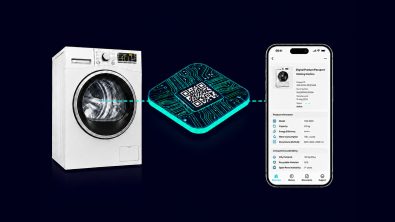
Industrial Connectivity Services helps create that starting point. It connects new and existing plants, machines and components to higher-level systems, regardless of age or manufacturer, so operational data can be acquired, processed and used.
Why connected production starts with visibility
Flexibility, speed and traceability are playing an increasingly important role in CPG manufacturing. Digitalization and the Industrial Internet of Things make it possible to acquire and process data from machines and plants, but only when that data can move from the shop floor to the systems that need it.
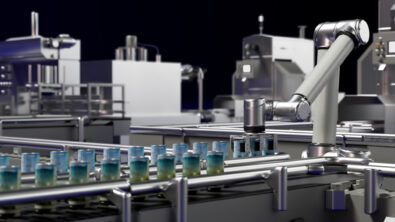
A CPG production environment may include packaging machines, filling lines, robotics, drives, sensors, inspection systems and legacy equipment installed over many years. Some assets may already connect to higher-level systems. Others may operate in isolation. Different vendors, communication protocols and equipment lifecycles can make the landscape harder to connect.
Without reliable connectivity, teams may struggle to answer the questions that shape production decisions:
- Which machines are available?
- Where are issues recurring?
- How much energy is being used?
- Which shop-floor data should be shared with Edge, SCADA, MES or cloud systems?
- Where do IT and OT systems need to exchange information?
- What needs to be protected as connectivity expands?
For CPG teams, those answers can influence throughput, traceability, process optimization, downtime prevention and digital transformation planning.
What is Industrial Connectivity Services?
Industrial Connectivity Services is a Siemens service that helps manufacturers connect plants, machines and components to higher-level systems so operational data can be acquired, processed and used.
In practice, that means connecting new and older equipment, regardless of age or manufacturer, and forwarding shop-floor data to systems such as Edge, SCADA, MES or the cloud based on the plant’s specific requirements.
Connectivity for its own sake does not justify the service. Usable operational data does.
Once production data becomes accessible, teams can improve transparency, analyze processes, support availability and build a stronger foundation for digital transformation. For CPG manufacturers with mixed equipment landscapes, this matters because a connectivity approach that only works for new assets is not enough.
How Industrial Connectivity Services works in practice
Industrial Connectivity Services is delivered through three capabilities that work together.
Connectivity solutions
Siemens service experts examine the existing hardware landscape, no matter how old or complex, to develop individual industrial connectivity solutions and support implementation.
This helps teams establish a shared view of the environment: which assets are connected, which are not connected and where operational data needs to move.
Industrial connectors
Industrial connectors receive data from the shop floor, process it and forward it to higher-level systems such as Edge, SCADA, MES or the cloud.
Plant operators decide where and how data should be processed based on their specific requirements. That helps preserve operational control while making production data more usable across the organization.
Connectivity operations
Connectivity environments need to operate reliably after implementation. Siemens service experts monitor the connectivity environment 24/7 and provide regular reports to support transparency and informed decisions.
This is where connectivity supports operational resilience. Greater transparency into operational data can help teams optimize processes, prevent failures and support plant availability.
What does connected data make possible?
Connected data supports use cases that matter across CPG operations.
Traceability
Connected production data can improve visibility into materials, products and production flows, supporting the traceability requirements that matter across CPG environments.
Downtime prevention
Greater transparency into machine and operational data can help teams identify issues earlier and support efforts to prevent unscheduled downtime.
Process optimization
When production data becomes usable, teams can better analyze performance, identify bottlenecks and make more informed decisions about how to improve operations.
Digital transformation
Industrial Connectivity Services helps address a common obstacle to automation and digitalization: acquiring and using operational data from machines and plants.
IT/OT collaboration
Connectivity helps close the IT/OT gap by creating a practical path for production data to move between shop-floor assets and higher-level systems.
Each of these use cases depends on more data moving across more systems. That is where connectivity starts to change the cybersecurity conversation.
Why connectivity leads to a cybersecurity conversation
Connectivity creates value, but it also creates new cybersecurity considerations.
As IT and OT systems become more connected, more data flows across machines, plants, networks and enterprise systems. That supports visibility, optimization and digital transformation, but it also raises new questions:
- Which assets are connected?
- Where does remote access exist?
- Which interfaces connect OT with IT?
- Which systems are critical to production availability?
- Where should cybersecurity risk assessment begin?
That is why Industrial Connectivity Services and cybersecurity belong in the same planning conversation, even though they are not the same service. Industrial Connectivity Services helps establish the connectivity and data visibility foundation. Cybersecurity planning helps determine how to help protect the connected environment.
See how Defense in Depth fits with your connectivity plan
Once machines, plants and systems become more connected, the next question is how to help protect that connected environment.
Siemens takes a Defense in Depth approach to industrial cybersecurity. The Cybersecurity for Industry white paper explains how plant security, network security and system integrity work together to help protect industrial environments across multiple layers.
Read the white paper to understand how Defense in Depth can help CPG teams plan protection around the connected environment they are building, including practical questions around plant access, network boundaries, system integrity and IT/OT cybersecurity planning.
If IT, operations, automation and cybersecurity teams have not yet aligned on what needs to be connected and protected, this is the conversation to start before the next planning cycle.
FAQ – Industrial Connectivity Services
Understanding the Service
What is Industrial Connectivity Services and how does it work?
Siemens Industrial Connectivity Services is a solution that connects industrial equipment to higher-level systems for data acquisition and use. It helps connect plants, machines, and components—regardless of age or manufacturer—to systems like Edge, SCADA (Supervisory Control and Data Acquisition), MES (Manufacturing Execution System), or cloud environments, enabling operational data to be acquired, processed, and used for traceability, optimization, and digital transformation.
Learn more about Industrial Connectivity Services →
Why do CPG manufacturers need Industrial Connectivity Services?
CPG manufacturers need connectivity to unify mixed equipment landscapes and enable traceability and optimization. CPG plants often include mixed equipment landscapes, disconnected data sources, and systems that were not originally designed for today’s digital use cases. Siemens Industrial Connectivity Services helps create the data transparency needed to support traceability, process optimization, and digital transformation initiatives.
Integration & Use Cases
Is Industrial Connectivity Services the same as a cybersecurity risk assessment?
No. Industrial Connectivity Services focuses on connectivity and operational data, while a cybersecurity risk assessment focuses on identifying risks and protective measures. Industrial Connectivity Services establishes the data connections between shop-floor assets and higher-level systems. A cybersecurity risk assessment focuses on identifying risks, vulnerabilities, and protective measures. The two are related because greater connectivity creates the need to understand the connected environment and plan how to help protect it.
How does Industrial Connectivity Services support IT/OT integration?
Industrial Connectivity Services creates a practical path for data to move between shop-floor assets and higher-level systems. It enables IT/OT integration (the alignment of Information Technology and Operational Technology systems) by connecting operational equipment to systems such as Edge, SCADA, MES, or cloud environments. That gives IT, OT, operations, and digitalization teams a shared foundation for data-driven decisions.
Security & Next Steps
Why is cybersecurity the next step after connectivity?
As production environments become more connected, cybersecurity risk can extend across machines, networks, access points, and higher-level systems. A layered industrial cybersecurity approach—aligned with standards like IEC 62443—helps protect connected operations across plant security, network security, and system integrity. Siemens offers cybersecurity risk assessments and services to help safeguard your connected environment.