Over-the-air updates: how software-defined vehicles keep improving after they leave the factory
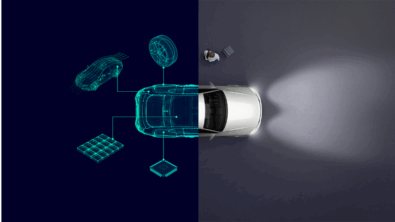
The automotive industry has been transformed by the rise of software-defined vehicles (SDVs), vehicles that rely on powerful software to control their functions and evolve over time. A key innovation fueling this transformation is over-the-air (OTA) updates, which allow manufacturers to remotely update vehicle software. This technology, already familiar in smartphones, is a game-changer for cars, bringing a level of flexibility, security and customization that was previously unimaginable.
In this article, we’ll explore how OTA updates work, their benefits for vehicle maintenance and user experience and why OTA is becoming essential for future vehicles.
What are over-the-air (OTA) updates?
Over-the-air (OTA) updates are a method for remotely pushing software updates and upgrades to a device – in this case, a vehicle. Rather than taking a vehicle to a dealership or service center for upgrades, consumers can receive improvements directly, as long as their vehicle is equipped with internet connectivity. This can range from minor bug fixes and improvements to significant new features, added functionalities and even security patches.
In traditional vehicles, fixing software-related issues would require physical service visits, often meaning recalls or inconvenience for vehicle owners. OTA updates eliminate these steps, providing immediate improvements without the need for a service appointment.
How do OTA updates work in SDVs?
OTA updates in software-defined vehicles rely on a secure communication protocol between the manufacturer’s servers and the vehicle. Here’s a general breakdown of the process:
- Update development: The manufacturer identifies a need for an update—this could be a new feature, a bug fix or an improvement to an existing function. Engineers develop and test this software in controlled environments to ensure it works seamlessly with existing systems.
- Encrypted deployment: Once the update is ready, it’s encrypted and sent out from the manufacturer’s servers. This encryption is essential for cybersecurity, preventing malicious third parties from intercepting the update or introducing vulnerabilities.
- Update download: Vehicles receive the update through their internet connection (usually cellular or Wi-Fi). The update might download in the background while the car is in use, or it might require the vehicle to be idle to start the download.
- Verification and installation: Before installation, the vehicle verifies the update to confirm it’s from the manufacturer and hasn’t been tampered with. After verification, the update installs either automatically or after user approval, depending on the settings and update type. Some updates may require the vehicle to be stationary.
- Activation: After the update completes, the new features, improvements, or fixes are activated, enhancing the vehicle’s functionality.
This process ensures that consumers receive the latest improvements quickly and securely, without needing to visit a dealership. OTA updates offer a streamlined, convenient way for manufacturers to deliver continuous value to their customers.

Benefits of OTA updates for software-defined vehicles
OTA updates bring numerous advantages for both consumers and manufacturers, fundamentally changing the way vehicles are maintained, upgraded and customized. Here are some key benefits:
1. Improved convenience and reduced downtime
One of the biggest advantages of OTA updates is the convenience they provide. Traditionally, a vehicle owner would need to schedule an appointment at a service center to receive software fixes or upgrades. With OTA, improvements are delivered remotely, minimizing the need for service center visits and saving both time and effort.
For consumers, this translates to less downtime and fewer disruptions. Whether it’s a quick bug fix or a more substantial upgrade, drivers can keep their cars at peak performance with minimal inconvenience.
2. Enhanced vehicle longevity and value retention
OTA updates are a game-changer for vehicle longevity. With traditional cars, technological improvements were only accessible in new models, causing older vehicles to quickly fall behind. OTA updates allow vehicles to evolve even after they leave the factory. Features can be refined, software bugs can be fixed, and functionality can improve without hardware changes.
This ability to keep vehicles current makes SDVs a better long-term investment. Consumers can expect their vehicles to remain relevant and high-performing, even years after purchase, which also helps retain the vehicle’s resale value.
3. Security enhancements and cyber threat protection
As vehicles become more connected, cybersecurity is critical. OTA updates allow manufacturers to address vulnerabilities as they arise, rather than waiting for customers to come in for service. When a new security threat is detected, manufacturers can quickly develop a patch and push it out to all affected vehicles, keeping them safe from cyber threats.
This proactive approach to security reduces the risk of data breaches or malicious attacks, giving consumers peace of mind. In a world where connected systems are targets for cyber threats, OTA updates ensure that vehicles remain secure, resilient and prepared for emerging risks.
4. Cost savings for both consumers and manufacturers
For manufacturers, OTA updates reduce costs by lowering the need for recalls and service appointments. This not only saves money but also enhances brand reputation, as fewer recalls result in smoother ownership experiences. OTA updates also help manufacturers avoid the logistical challenges of coordinating large-scale fixes through physical dealerships.
Consumers also benefit financially. By reducing the frequency of service visits and extending the vehicle’s life, OTA updates help lower long-term ownership costs. Additionally, consumers can receive new features or performance improvements without buying a new model, which is likely to make owning an SDV more economical in the long run.
5. Personalized and customized driving experiences
With OTA, vehicle personalization can go beyond simple seat adjustments or climate control settings. Manufacturers can release optional features that allow users to customize their vehicle’s performance, entertainment or even driving dynamics.
For instance, a vehicle might come with a “basic” version of driver assistance features, but through OTA updates, consumers could purchase premium options that offer more advanced capabilities. This flexibility allows owners to tailor the driving experience to their preferences, creating a car that feels like it’s designed specifically for them.
Why OTA updates are a game-changer for vehicle longevity
The ability to continuously upgrade and adapt a vehicle over time has far-reaching implications for the future of driving. Here are some ways OTA updates are transforming vehicle longevity and making SDVs a worthwhile investment:
1. Future-proofing through continuous innovation
OTA updates future-proof vehicles, allowing them to keep pace with the latest technological advancements. For example, if a new safety feature becomes available, or if a performance tweak enhances efficiency, manufacturers can release these updates to existing models, ensuring that drivers aren’t left with outdated technology.
This constant evolution also enables vehicles to adapt to new regulations or market trends. For instance, if emission standards become stricter, manufacturers can optimize engine control software to ensure compliance, even in older models. This adaptability is invaluable in a rapidly changing world.
2. Extending usable life with enhanced performance
Over time, a vehicle’s performance can degrade, but with OTA updates, manufacturers can deliver optimizations that enhance efficiency or improve handling, effectively extending the vehicle’s usable life. This approach means SDVs can age more gracefully, with performance maintained at a high standard even as the car gets older.
Additionally, new AI or machine learning algorithms can be introduced via OTA to improve features like adaptive cruise control, collision detection, or even battery management in electric vehicles. This ongoing optimization reduces the rate of depreciation and keeps the vehicle in optimal condition.
3. Redefining the resale market
Since OTA updates keep a vehicle’s software current, they have a positive impact on the resale market. A car that has received regular software upgrades and security patches will likely retain value better than one that hasn’t. Buyers can be confident that the vehicle remains safe, functional and equipped with recent features.
For manufacturers, this benefit strengthens brand loyalty and reputation, as consumers see their vehicles as long-term investments that remain valuable even after a few years.
OTA updates: Challenges and considerations
While OTA updates bring significant advantages, there are also challenges that manufacturers and consumers must consider.
1. Connectivity requirements
For OTA updates to work effectively, SDVs must have a reliable internet connection. In areas with limited or inconsistent connectivity, downloading and applying updates may be delayed. Manufacturers often recommend connecting the vehicle to a home Wi-Fi network if possible to ensure stable downloads and installations.
2. Security concerns
While OTA updates can quickly address security issues, they also rely on strong cybersecurity protocols. If an OTA system is compromised, hackers could potentially access sensitive vehicle functions. To prevent this, manufacturers invest heavily in encryption, secure communication channels, and multi-factor authentication.
3. User awareness and consent
Some consumers may be unfamiliar with OTA updates, raising concerns about privacy or control. Manufacturers address this by allowing users to choose when to install updates and providing clear notifications about each update’s purpose. Educating consumers on the importance of these updates is essential for maximizing their effectiveness.
Conclusion: OTA updates as the future of automotive technology
Over-the-Air updates are transforming the automotive industry, providing a pathway for vehicles to stay current, secure and functional long after leaving the factory floor. For consumers, OTA updates bring convenience, safety, and long-term value, while manufacturers benefit from reduced costs and stronger relationships with customers.
As the automotive industry moves toward software-defined vehicles, OTA updates will become increasingly essential. They allow cars to keep pace with technological advancements, address security risks proactively, and deliver an ever-improving driving experience. The era of the “frozen” vehicle—where a car’s features are fixed at the time of purchase—is rapidly coming to an end. With OTA, drivers can expect vehicles that continually evolve, adapt, and remain relevant for years to come.
In the end, OTA updates are more than just a convenience; they represent a paradigm shift, creating vehicles that are as adaptable and future-proof as the digital world we live in.