Modernizing requirements management: What does “modern” really mean?

In today’s world, product complexity grows daily and so do the demands on systems engineers and requirements engineers. Paper trails, spreadsheet lists and email signoffs no longer cut it for organizations striving to innovate quickly and build high-quality, compliant products. But what does it really mean to “modernize” requirements management, or what characteristics define a modern solution?
What challenges make traditional requirements management outdated?
Gone are the days when product requirements could be stored on a local server or passed around as static documents. Today’s engineering projects typically involve large, distributed teams, multiple suppliers and overlapping disciplines like software, hardware and mechanical design. Traditional requirements management often leads to:
- Silos and disconnected documents
(Making it hard to collaborate, trace or update requirements)
- Limited traceability
(Increasing risk of missed regulations or costly rework)
- Manual processes and version confusion
(Leading to mistakes, delays and duplicate effort)
- Difficulty responding to change
(When market needs or regulations shift)
Modernization isn’t about using the latest buzzwords — it’s about empowering teams to work faster, smarter and together.
51 percent of product development leaders state that they actively pursue design documentation improvements to avoid downstream development delays and resulting costs. (Lifecycle Insights)
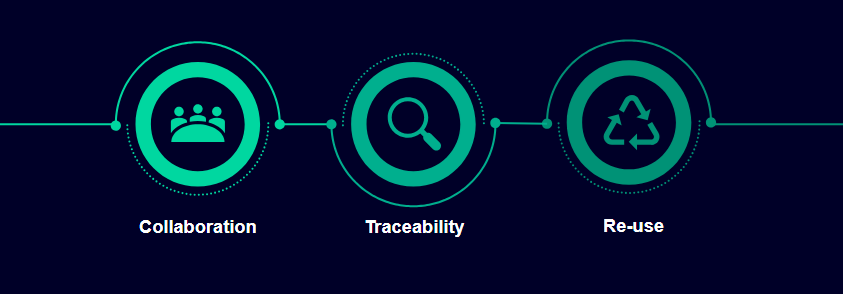
What are the key characteristics of modern requirements management?
How do I know if a requirements management approach is “modern”?
If your requirements management practices or your organization’s current tools don’t include these characteristics, it may be time for a digital transformation:
1. Full lifecycle traceability
- Every requirement, from idea through validation and release, should be traceable across the entire product lifecycle
- Teams can instantly see how a change in a customer requirement impacts downstream systems, tests and deliverables
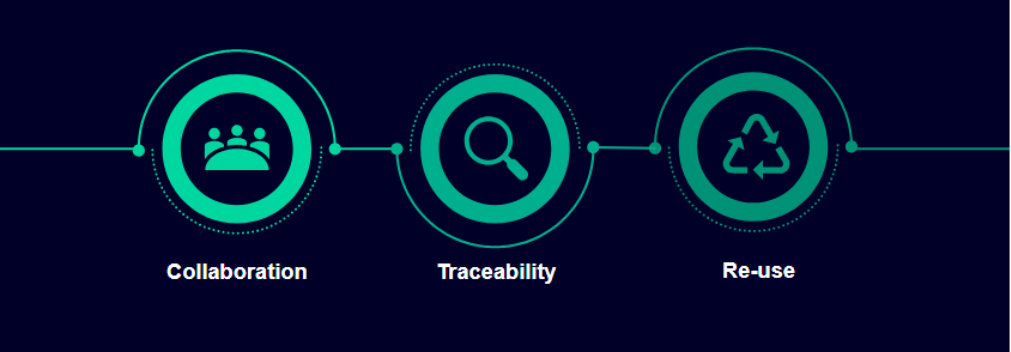
2. Integration across disciplines and tools
- Modern requirements management spans the entire engineering organization: software, hardware, mechanical, regulatory and project management
- Seamless integration with modeling, testing and reporting systems allows for end-to-end visibility and data flow.
3. Process automation and workflow support
- Review cycles, approvals, change management and notifications are streamlined and often automated
- This creates accountability and compliance without manual busywork
4. Change and impact analysis
- Digital platforms make it easy to assess the impact of any change, reducing the risk of surprises late in development
- Teams can simulate “what if” scenarios to understand how a requirement change may affect timelines, budgets or compliance
5. Support for standards and regulations
- Modern requirements management helps verify that products adhere to industry standards and regulatory requirements
- Automated traceability reports can be generated instantly for audits or compliance reviews
6. Reusability and modular design
- Requirements, templates and components can be reused across projects and product lines
- Modular reuse reduces duplication, creates consistency and preserves best practices
7. Analytics and reporting
- Powerful data analytics give teams insights into requirement status, risk areas and trends over time
- Integrated dashboards allow engineers and leaders to make informed decisions based on real-time data
9. User-friendly and configurable
- A modern approach means the system is intuitive for engineers of all disciplines
- Flexible configuration allows the tool to adapt to existing processes — not the other way around
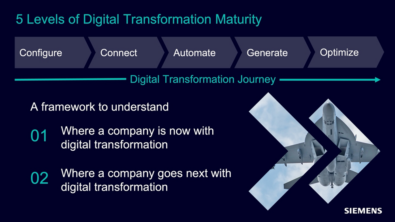
What role does digital transformation play?
Why does “going digital” matter for requirements management?
Digital transformation isn’t just about moving off paper; it’s about unlocking new levels of collaboration, transparency and agility. With digital, integrated requirements management:
- Teams can operate from anywhere in the world, working on the same up-to-date requirements
- Changes are tracked automatically so there’s always a record of who did what and when
- Requirements can be easily linked to models, test cases and verification activities
- Audit trails are instantly available for compliance checks
This digital backbone accelerates innovation and safeguards quality at every stage.


Want to learn more?
If your organization is looking to modernize its requirements management and ensure your next project runs smoother, discover Siemens solutions. A modern solution can help engineers start integrated and stay integrated, making requirements a source of clarity, efficiency and competitive advantage.
Modern requirements management is more than a digital document repository; it’s a strategic enabler for today’s complex, fast-paced engineering efforts. By adopting solutions with these characteristics, you’ll help your teams to collaborate seamlessly, manage change confidently and deliver successful products every time.