What you Practice, You Retain – Why having Cloud-based Virtual Labs at your fingertips matters

Today, practical lab-based training is no longer optional. It should be a mandate.
Research has, for decades, has shown conclusively that students are more likely to retain knowledge when they actively retrieve, apply, and practice than when they study it passively.
Hermann Ebbinghaus’ classic work on memory introduced what is now widely known as “The Forgetting Curve,” the observation that students’ retention of newly learned information declines rapidly when it is not reinforced or applied.
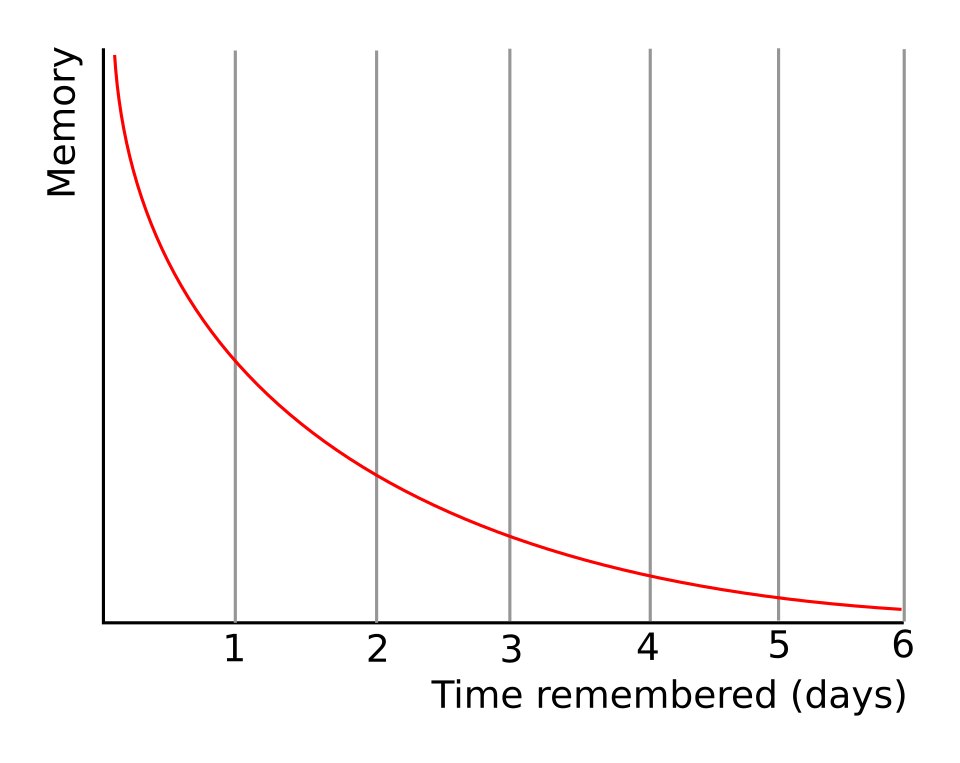
This concept has been reinforced in a study by Karpicke and Roediger, who found that “repeated retrieval practice enhanced long-term retention, whereas repeated studying produced essentially no benefit.” In other words, reviewing slides is not the same as building capability. Watching a demonstration is not the same as completing the task. Familiarity is not proficiency.
For EDA training, this matters deeply.
The true measure of success in EDA user training is not through observation of a workflow demo, but rather through students’ ability to perform the workflow independently, post-training in realistic design and verification scenarios. Only if, post-training, our students confidently execute steps such as environment setup, solid decision-making, accurate troubleshooting, and practical application of tools, can we claim success.
Our customers are not studying basic, generic concepts. They are learning sophisticated engineering workflows in simulation, verification, physical design, PCB design, DFT, signoff, analysis, debugging, optimization, and automation. These are not skills that become durable through passive observation alone. They require guided repetition in an environment that feels close to the real engineering world.
The Siemens EDA training journey provides the three elements necessary to ensure maximum effectiveness:
- Conceptual understanding: what the tool or methodology does and why it matters.
- Tools demonstration: how the workflow is performed correctly.
- Hands-on lab execution: where learners perform the steps themselves, make mistakes, receive feedback, and build confidence.
The third point is where the most crucial transformation happens.
Labs turn passive learners into active engineers. They create the moment when a participant moves from “I understand what the instructor did” to “I can do this myself.” That difference is the difference between knowledge exposure and operational readiness.
This is also why cloud-based virtual labs are becoming essential to modern technical training.
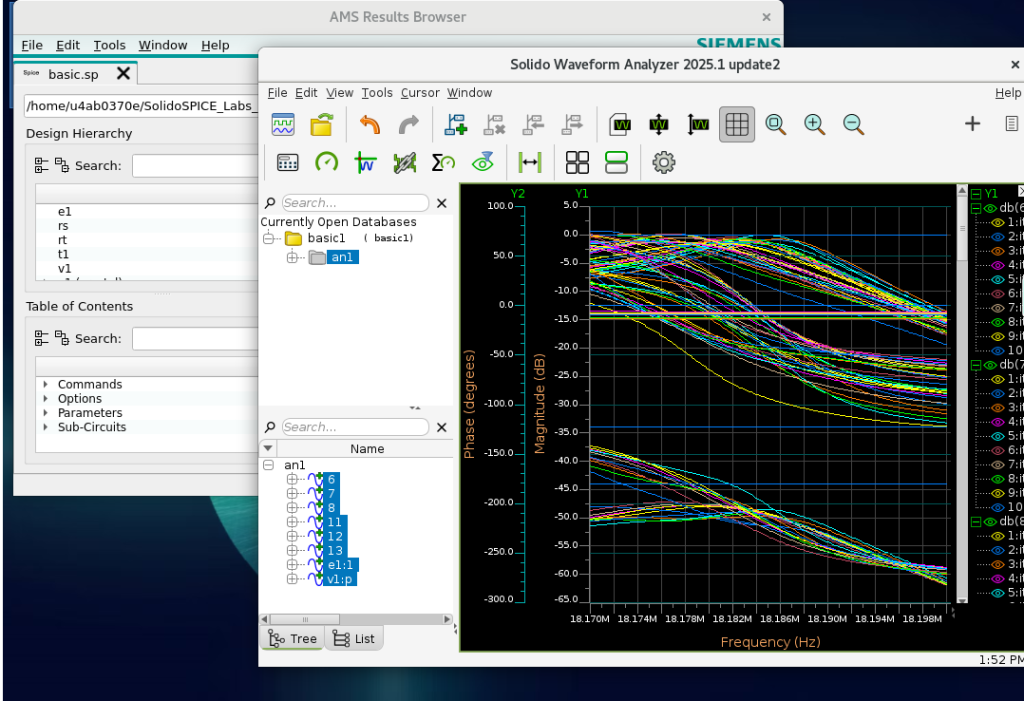
Again, today, it is clear: practical lab-based training is no longer optional. It should be a mandate.
Siemens EDA cloud-based virtual labs, customers can access structured, ready-to-use training environments without the traditional overhead of local setup, installation, licensing preparation, or IT dependency. Learners can focus on the engineering task, not the infrastructure. This unique capability sets us apart from all our competitors. No need to beg, borrow, and steal licenses just to practice what you are learning. All of that is neatly packaged and accessible through our learning management system.
To learn more about Siemens EDA training offerings and cloud-based virtual lab options, visit us at: Hardware & software applications courses | Siemens, or contact us at: xceleratoracademy_eda.disw@siemens.com
* File: Forgetting curve decline.svg – Wikimedia Commons
Author: Weaam Awad, Learning Services Manager, Siemens EDA Learning Services