Building software‑defined vehicles before hardware exists
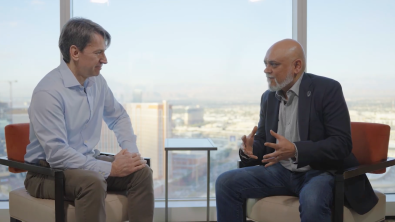
At CES, the conversation around automotive innovation made one thing clear: software is now the critical path. In a special episode of The New Industrialists, Microsoft Cloud host Adam Bogobowicz sat down with Ash Sethi, Program Director for PAVE360 at Siemens EDA , to unpack how digital twins and cloud‑scale compute are redefining how vehicles are built.
Why automotive development is finally changing
The pressure on automakers has been building for years. Chip shortages exposed fragility in traditional workflows. The rise of electric vehicles lowered barriers to entry and vehicles are consolidating dozens of distributed ECUs into a handful of high‑performance compute nodes. The result software volume is exploding.
“The amount of software that has to be developed now takes over the project schedule,” Sethi explained. Hardware timelines no longer define delivery. Software does.
That shift breaks the old development model, where software teams waited for physical hardware to arrive before writing and validating code. Until a software led approach to vehicle programs becomes standard it will not be possible to reduce the minimum five‑year vehicle development cycle standard.
Digital twins as the new development foundation
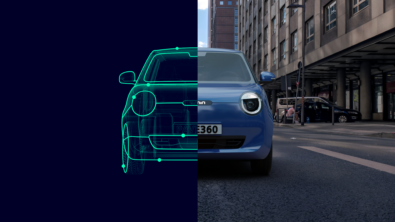
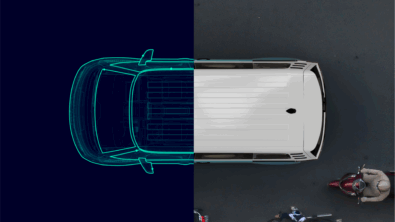
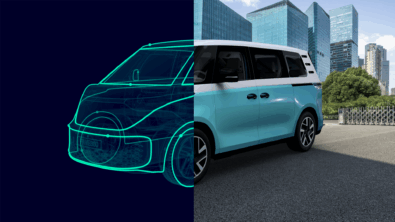
PAVE360 addresses this bottleneck by enabling software development before hardware exists. Using processor‑accurate digital twins, engineers can write, execute, debug, and validate vehicle software in a fully virtual environment.
Historically, processor models existed, but they were too slow to support real development workflows. Developers waited minutes or longer for each execution cycle, killing productivity.
The result is a development experience that feels indistinguishable from working on physical hardware, without waiting for silicon.
From years to hours
One of the most disruptive changes is time to entry. Building a usable digital twin traditionally required years of effort and specialized expertise. With PAVE360 Automotive, Siemens delivers a fully integrated digital twin environment, complete with reference software and vehicle networks, that can be brought up in about an hour.
Instead of spending years building infrastructure, developers can begin writing production‑grade code on day one, using their existing tools and workflows.
Validating software in realistic environments
The platform goes beyond simulating electronics in isolation. Engineers can test vehicle software against digital twins of real‑world environments, including roads, cities, traffic, and pedestrians. This makes validation faster, safer, and vastly more scalable than physical road testing.
As vehicles move toward autonomy, this capability becomes essential. AI‑driven systems require enormous volumes of data to train and validate. That data cannot realistically be collected by driving millions of physical miles. Digital cloud-based environments make that scale possible.
Why Azure matters
Cloud scale is what enables this shift. Azure provides the compute capacity required to run complex processor models, environmental simulations, and AI workloads simultaneously. For Siemens, partnering with Microsoft ensures customers can deploy PAVE360 in a cloud environment already trusted across the automotive industry, while still supporting on‑premise options when required.
What this means for drivers
For consumers, the impact is tangible. Vehicles become more reliable, more connected, and more adaptable over time. Software‑related recalls decline. Over‑the‑air updates expand functionality years after purchase. Cars begin to feel less like static machines and more like evolving digital platforms.
From seamless phone integration to intelligent services and future autonomy, the foundation is being laid now.
As Ash Sethi put it, this is not an incremental improvement. It’s a turning point for the automotive industry. Learn more about Microsoft for Manufacturing here.