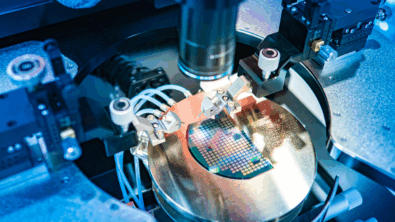
Feeding the world, one data point at a time: how Bunge mastered the “data avalanche”

For over 200 years, Bunge has fed the world. With 34,000 colleagues across the globe and operations spanning from seed to table, they’re a powerhouse in edible oils, fats, and specialty food ingredients.
But here’s the challenge nobody talks about: Success creates data—lots of it.
René Blok, Global Analytical Development Manager at Bunge, calls it an “avalanche.” After 25 years of managing analytical data through traditional LIMS, Bunge faced a perfect storm: rising regulatory demands, increasingly sophisticated analytical equipment, and customers expecting unprecedented transparency.
The question wasn’t how to store data—it was how to master it.
The shift: from reactive to proactive
When I asked René about the biggest challenge, his answer was striking: “We need to combine it all in one analytical database and keep track with good traceability.”
But the real insight came when discussing regulations and customer demands. René revealed something that separates industry leaders from the rest:
It’s not only about acting when the questions are there. It’s about having the proof, the trending, and all the information before the questions arise.
That’s the difference between compliance and confidence. Between following the curve and leading it.
This is where Siemens Opcenter Research, Development and Laboratory (RDL) entered the picture. Bunge migrated from their legacy Unilab system to Opcenter RDL—a modern, centralized platform designed for global quality and food safety (QFS) harmonization.
👉 Watch René’s full story here
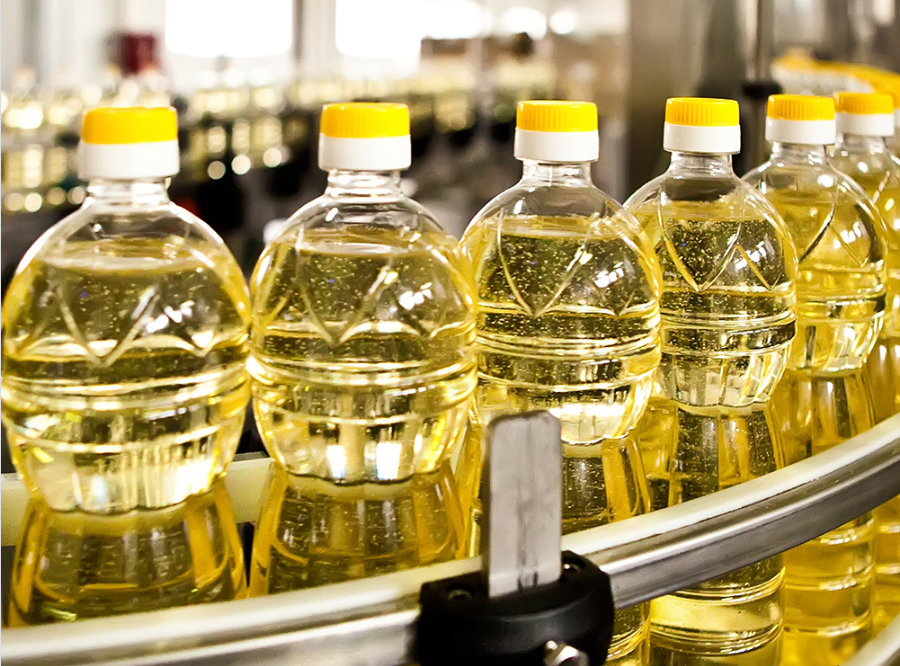
Three game-changing results
1. Global data visibility One centralized database. Multiple locations – and growing. Bunge started with 4 specialty sites and is strategically expanding across different countries and regions. Real-time insights into quality variations help them see the full picture across their current operations, while building toward a truly global setup.
2. The “blue-collar” buy-in Here’s what René is most proud of: the system was embraced by the people on the lab floor as well as in the operations and innovation areas – the ones doing the actual work. When frontline experts see efficiency and effectiveness, adoption isn’t forced; it’s celebrated. That’s how you know a tool truly works.
3. Future-proofing in an uncertain world New analytical technologies generate exponentially more data. New regulations emerge unpredictably. Opcenter RDL isn’t just a solution for today—it’s a “growing brilliant,” as René describes it, that scales with Bunge’s evolving needs while maintaining cost-efficiency and quality standards.
👉 Watch René’s full story here
The partnership mindset
René’s final words are telling: “
It’s very important to have a great partnership with Siemens and service partners to invest and discover opportunities to create an efficient and effective program.
This isn’t about buying software. It’s about building a strategic partnership that evolves as your business evolves.
What’s next?
If you’re managing analytical data at scale—whether in food safety, pharma, biotech, or specialty chemicals—Bunge’s journey offers a roadmap. The question isn’t whether you need better data management. It’s whether you’re ready to move from reactive compliance to proactive excellence.
Curious to hear more from René? Watch the full video interview where he discusses Bunge’s transformation, the importance of global harmonization, and why Opcenter RDL is the foundation for their next chapter.