From paper to intelligence: Ziehl-Abegg cuts rework costs with Siemens Opcenter
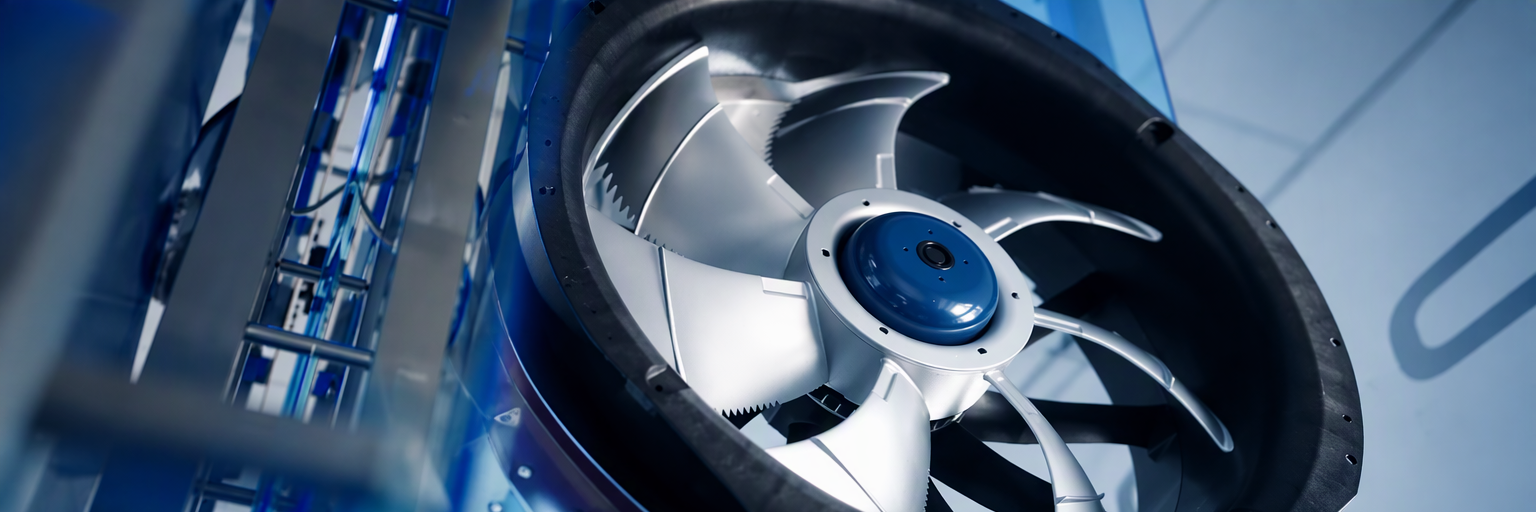
Ziehl-Abegg is a leading technology provider for highly efficient air technology and electric drive solutions. Its fans, motors, drives and control technologies are integrated into applications ranging from data-center cooling and HVAC systems to industrial equipment and elevators. Ziehl-Abegg’s innovative strength is particularly evident in its digitalization strategy, which focuses both on making its products smarter and more digital and on streamlining and improving the efficiency of its internal processes.
For manufacturing, that means addressing some very tangible challenges on the shop floor: long response times, paper-based processes, documents containing errors and limited access to timely production information. Ziehl-Abegg set out to standardize their manufacturing processes and create a more transparent, data-driven production environment.
The results are already measurable: across its electronics manufacturing operations, Ziehl-Abegg has reduced rework costs by 50% with Opcenter MES, while improving efficiency in previously paper-based activities by 5–10%.
But becoming paperless is only part of the story. The manufacturing data Ziehl-Abegg is building today is also creating the foundation for what comes next, including exploring how AI can support repair processes and help employees make better decisions.
When paper processes become a barrier to speed and quality
For Ziehl-Abegg, the need to digitalize manufacturing started with a very practical challenge: information was not moving through production fast or reliably enough. Paper-based documentation made processes time-consuming: when errors were passed along, response times could become extremely long.
“Before digitalization, one of the biggest challenges was extremely long response times. Documents containing errors were passed on, and the process was very time-consuming.”
Marcus Engel, Plant Manager Electronics, Ziehl-Abegg
The goal was not simply to replace paper. Ziehl-Abegg wanted to standardize processes, improve transparency and give employees faster access to accurate production information. Digitalizing repair documentation was an important part of that effort, alongside improving process and product quality and making production data easier to use.
That created the starting point for a broader transformation: moving from information captured in documents to manufacturing data that could be accessed and acted on directly on the shop floor.
Connecting the shop floor with the data people need
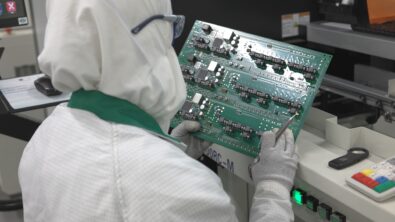
Since introducing Siemens Opcenter MES in 2020, Ziehl-Abegg has brought information directly to employees’ workstations. Repair operators can access the information they need digitally, while data from machines and test systems provides greater visibility into production and quality.
One source of data, better collaboration
Having production information in one place has also changed how teams work together. Production and quality management can now work from the same data rather than relying on separate documents and information flows.
“Since introducing Opcenter MES, collaboration between production and quality management has improved significantly because we now work from the same data set.”
Markus Frankenbach, Group Leader Quality Management Electronics, Ziehl-Abegg
This shared view gives teams a clearer picture of what is happening in production and helps them identify quality issues and make decisions based on consistent information.
Watch the full interview to learn how Ziehl-Abegg addressed their digitalization journey
Greater efficiency and 50% lower rework costs
For Ziehl-Abegg, the shift from paper-based processes to connected manufacturing data is delivering measurable results, that speak by themselves:
- 5–10% efficiency gains in areas transitioned from paper-based to digital processes.
- 50% reduction in rework costs
- Paper-based documentation eliminated
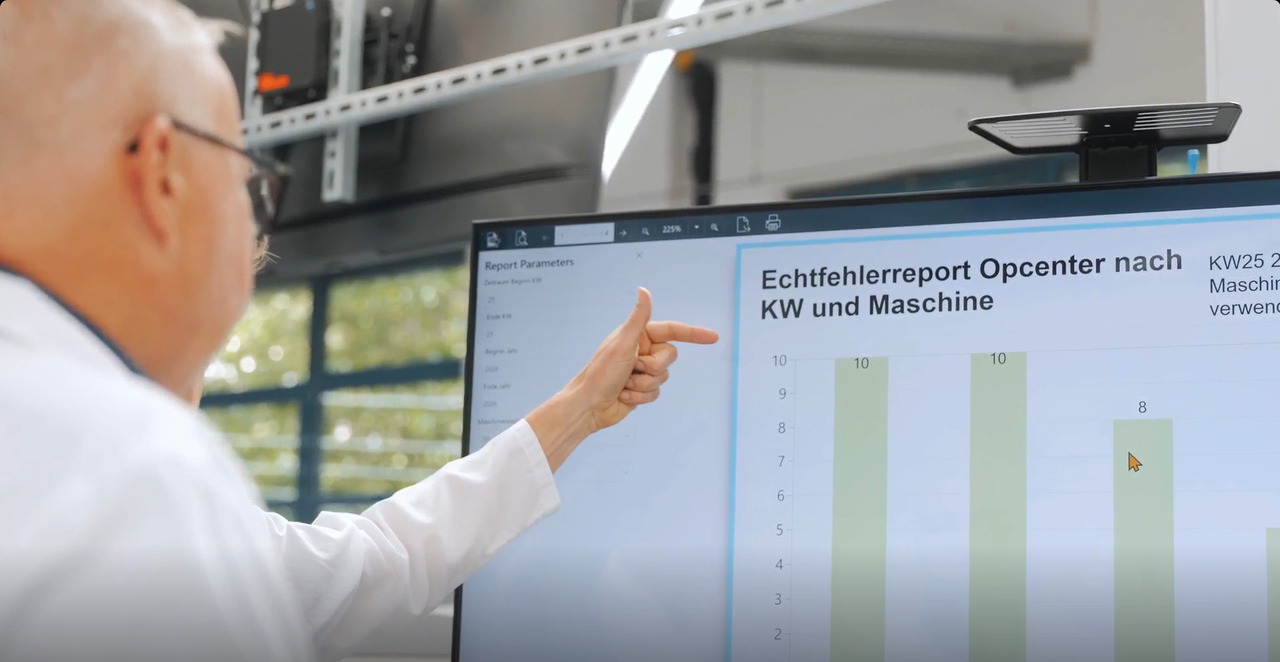
Behind those numbers is a more fundamental change in how manufacturing teams work. Information is available faster, production and quality teams have greater visibility into what is happening on the shop floor.
For Ziehl-Abegg, this means less time spent managing information and correcting problems, and more opportunity to use manufacturing data to continuously improve efficiency and quality.
Making digitalization work for the people who use it
Technology alone does not transform manufacturing. For Ziehl-Abegg, making digitalization work also means ensuring that the people using the technology every day can work with it easily.
As Marcus Engel explains:
“For employees to accept the solution, it has to be simple, easy to use, and intuitive.”
That principle is particularly important on the shop floor, where employees need quick access to reliable information without adding unnecessary complexity to their work.
Watch the full interview to learn how Ziehl-Abegg addressed their digitalization journey
By bringing information directly to the workstation and creating a common data foundation for production and quality, Ziehl-Abegg is not simply digitizing existing processes. It is changing how people access information, collaborate and make decisions.
From connected data to AI-assisted repair
For Ziehl-Abegg, building a digital manufacturing environment has created something increasingly valuable: a growing foundation of manufacturing data. The next question is how that data can be used to help employees solve problems faster and more effectively.
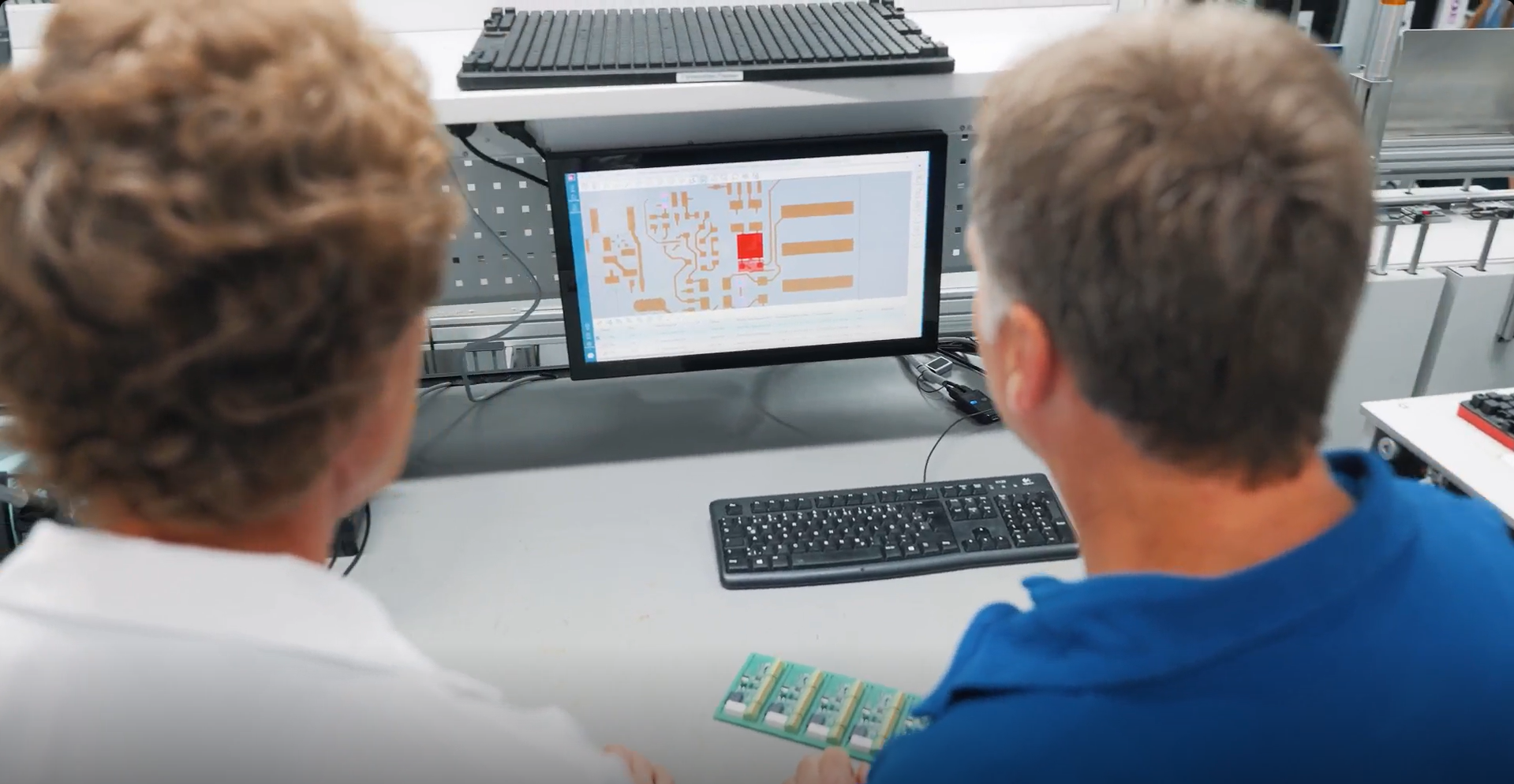
One area Ziehl-Abegg is now exploring is Siemens AI Repair Advisor. Using historical manufacturing data, the technology can generate recommendations to help repair personnel identify potential causes of failures and determine where to focus their attention.
The potential is particularly interesting in electronics repair. Ziehl-Abegg is testing how AI could help operators locate defective components more precisely, reduce repair time and avoid unnecessary repair activities. It could also make specialist knowledge more accessible to employees who may not have deep electronics expertise.
Making the entire product lifecycle digital
For Ziehl-Abegg, transforming manufacturing is part of a much broader digitalization journey. The ambition extends beyond the shop floor, connecting product development, engineering, simulation, quality and production more closely through digital processes and data.
Opcenter is only one part of that journey. Ziehl-Abegg and Siemens have been working together on digitalization for more than two decades, beginning with quality management and progressively expanding into areas such as manufacturing execution, application lifecycle management, testing and manufacturing simulation. Today, Ziehl-Abegg uses Siemens solutions including Opcenter, Polarion, Simcenter Anovis, Process Simulate and Plant Simulation across different parts of their digital landscape.
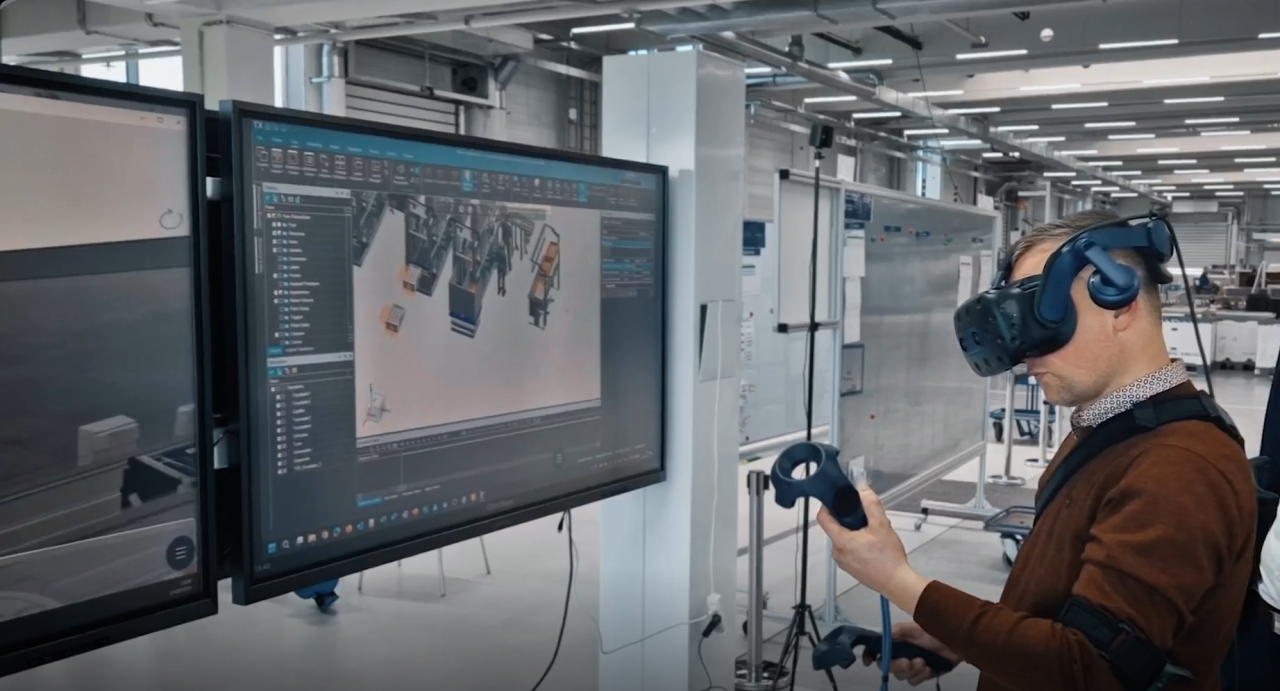
This broader relationship supports Ziehl-Abegg’s own digitalization ambitions rather than defining them. Looking toward 2030, the company is pursuing more connected end-to-end processes, production automation, digital twins for products and production, systems engineering and greater digital continuity across the product lifecycle.
As Joachim Ley, Ziehl-Abegg’s CEO explains:
“For us, this means the entire product lifecycle must become digital.”
And ultimately, the value of that transformation comes back to improving the way Ziehl-Abegg operates:
“This increases efficiency on the one hand and improves quality on the other, thereby creating the foundation for the future.”
Joachim Ley, CEO, Ziehl-Abegg
From eliminating paper-based processes to connecting manufacturing data and exploring AI-assisted repair, Ziehl-Abegg is building the digital foundation for its future. Siemens is supporting that journey across multiple areas, extending a relationship that goes well beyond manufacturing execution and helping Ziehl-Abegg advance toward a more connected digital product lifecycle.
Learn more
Discover Siemens Opcenter
Learn more about Opcenter Execution Electronics
Watch the Ziehl-Abegg customer story on Youtube