60% faster scheduling: inside America Embalagens’ production planning overhaul
Introduction
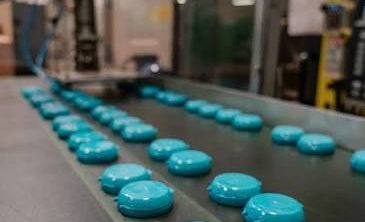
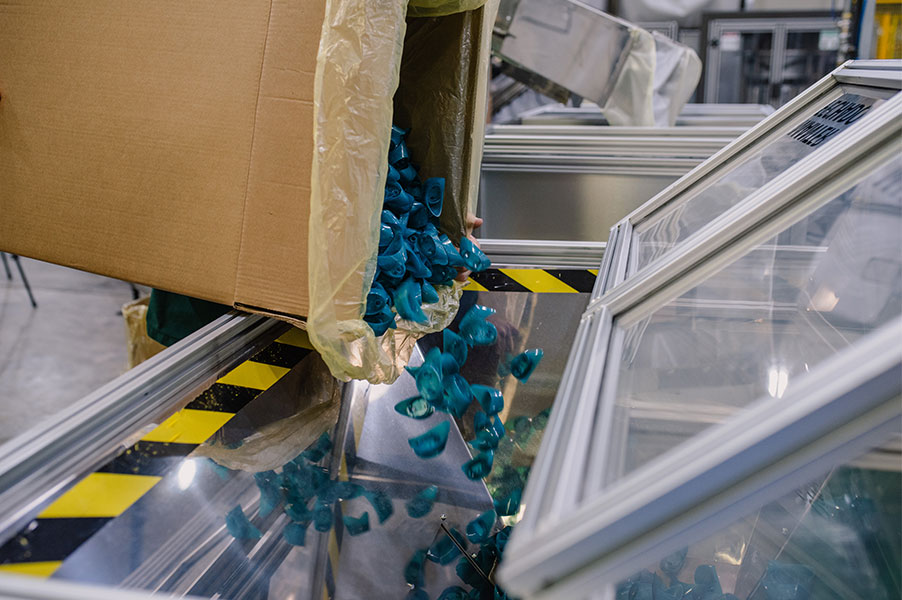
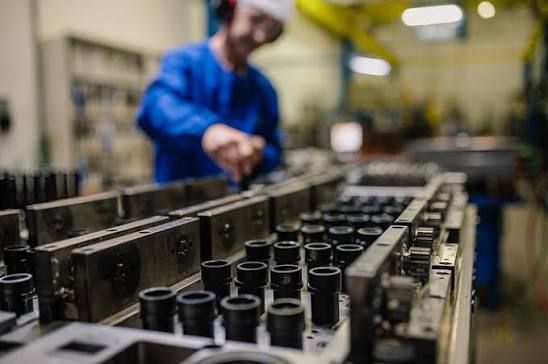
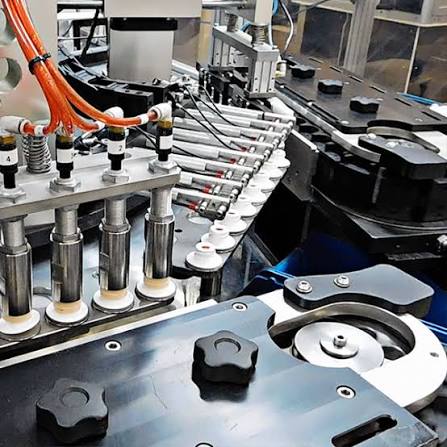
Every hour counts on a production floor. For America Embalagens, the South American leader in plastic cap manufacturing, those hours were adding up in the wrong place—buried in production scheduling. Five hours. That’s how long it took to generate schedules for their 30+ production lines across two facilities in Brazil and Argentina, every single day. When you’re managing 65 molds, 950+ SKUs, and serving major beverage and personal care brands across two countries, that’s a lot of time spent planning instead of producing.
How complexity drove innovation
This complexity demanded a smarter approach to production scheduling. Their previous APS solution, while an improvement over spreadsheets, couldn’t keep pace with the company’s evolving needs.
Generating production schedules took five hours for both facilities. Data integration with their ERP system was sluggish, consuming valuable time. The scheduling team spent considerable effort correcting system errors rather than optimizing production.
Opcenter Advanced Planning and Scheduling was implemented in just three months—a record timeline that reflected both the quality of NEO Digital Industries (a Siemens solution partner) expertise and America’s organizational maturity.
Measurable results driving real change
The implementation delivered concrete, quantifiable improvements:
- 60% reduction in schedule generation time: Production scheduling dropped from five hours to two hours across both facilities
- 30-minute data integration savings: ERP and Opcenter APS integration eliminated significant processing delays
- Minimized setup times: Optimized Scheduling reduced changeovers and improved machine utilization
- Automated sales order fulfillment: The system now automatically returns fulfillment dates to the sales team, strengthening cross-departmental collaboration
Beyond these metrics, America gained access to detailed reporting capabilities that support faster decision-making and a significantly lower rate of system corrections—freeing the scheduling team to focus on strategic improvements rather than troubleshooting.
Read the full case study to discover how America
reduced production scheduling time by 60 percent.
Two-pronged planning approach
Opcenter APS enabled America to tackle production planning at two critical levels:
Short- and medium-term scheduling: The system generates production orders from sales orders, optimizes setups, dynamically allocates molds across machines, and synchronizes material needs with production—all integrated with their ERP and manufacturing execution system (MES).
Long-term master planning: Opcenter creates an aggregated master production schedule (MPS) that considers finite factory capacity. This visibility allows America to identify bottlenecks, spot idle resources, and project raw material consumption—preventing future supply chain disruptions.
As Anderson Petter, Scheduling Coordinator at America, explains: “Scheduling production today, tomorrow and in the short, medium and long term with ease, agility, speed and assertiveness are among the differentials that using Opcenter APS provides us today.”
Future outlook
America isn’t stopping here. The company is planning additional automation projects, including automatic purchase requisition generation based on scheduling dates and demand forecasts, plus enhanced master production plan rules tailored to their specific operational needs.
Ready to transform your production planning?
America Embalagens achieved remarkable efficiency gains by partnering with Siemens and NEO Digital Industries. If your manufacturing operation is struggling with scheduling complexity, data integration delays, or outdated APS solutions, it’s time to explore what Opcenter APS can do for you.
Read the full case study to discover how America
reduced production scheduling time by 60 percent.