Why is digital manufacturing for heavy equipment important for part suppliers?

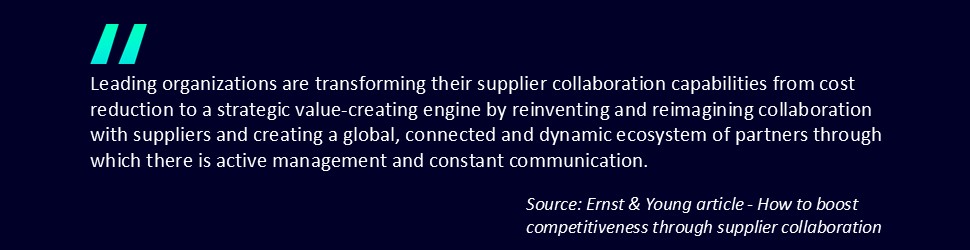
Heavy equipment OEMs have begun re-evaluating their sourcing strategies, shifting away from the traditional approach of the past few decades, where they prioritized product quality, on-time delivery and cost. Innovative software tools enable them to compare thousands of candidates worldwide instantly across various aspects, including criteria that cannot be easily quantified. Deploying digital manufacturing for heavy equipment will be crucial for part manufacturers to thrive in a rapidly evolving supplier landscape.
This is happening due to several factors – the most important ones being:
- Geopolitics and associated turmoil impacting the way OEMs organize their global operations
- Accelerated digital innovation that is disrupting products and processes, including those for sourcing at OEMs
What drives heavy equipment OEMs to select suppliers today?
As a parts supplier, if you don’t prioritize what truly matters to your customers today, you risk losing them, even if you have a longstanding relationship. Delivering quality products on time and at a competitive price is still critical – that will never change. But OEMs are increasingly focused on strategic priorities such as business resilience, sustainability, agility and flexibility. OEMs want to surround themselves with future-proof suppliers and partners who share their vision and reinforce them on their digitalization journey.
With digital manufacturing for heavy equipment, you can support your customers in pursuing these strategic goals.
What value do I get from digital manufacturing for heavy equipment?
Digital manufacturing for heavy equipment will help you stay on top of your customers’ approved supplier lists, enabling you to create a value proposition that goes far beyond traditional sourcing criteria, such as product quality, time and cost. Even if external factors, such as changing tariffs or supply chain disruptions, would create an uneven playing field, OEMs would still prefer working with you over working with your competitors, because you can offer the following benefits:
- Digital manufacturing enables flexible manufacturing systems to address a larger variety of orders more effective
- You can be an integrated part of your customers’ connected manufacturing ecosystem, so they can collaborate with you in full transparency, even in real time
- Using digital tools to track production activities fosters continuous improvement in manufacturing, so you can help your customers meet higher quality and sustainability standards
Watch this short video to learn more about how Siemens solutions for smart manufacturing can help heavy equipment parts suppliers stand out:
Why should heavy equipment parts suppliers have flexible manufacturing systems?
Heavy equipment OEMs are attempting to attract a new generation of farmers and contractors by offering them a consumer-like buying experience. This includes customized online orders that can be changed at any time, as well as packages that focus on outcomes and include maintenance. They can only do so if everyone in their manufacturing ecosystem can keep up with a larger and more complex variety of orders. Therefore, they seek parts suppliers with flexible manufacturing systems that can efficiently process a wide range of diverse and ad hoc orders.
With digital manufacturing for heavy equipment you can:
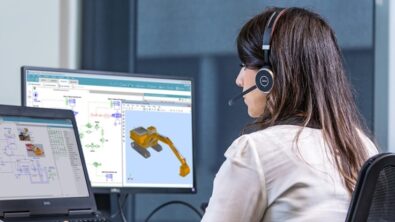
- Simulate your plant and process to optimize your manufacturing system for flexibility and modularity
- Prepare the full process for part design virtually, including tooling and numerical control (NC) programming to ramp up seamlessly
- Connect manufacturing operations with product design, enabling you to spot manufacturability issues and opportunities earlier and respond faster to change requests.
What are the benefits of a connected manufacturing ecosystem?
A few examples of how a connected manufacturing ecosystem benefits both heavy equipment OEMs and their suppliers includes:
- Improved transparency through end-to-end traceability
- Continuous collaboration between OEMs and suppliers
- Reduced iterations and rework
The new generation of heavy equipment customers want to follow up on their orders and gain insights into specific details of the production process, such as progress or delivery status. OEMs are increasingly digitalizing their global manufacturing operations, making all activities traceable to ensure they can consistently deliver on brand values and meet all regulatory requirements. Suppliers that can easily provide access to any information an OEM needs, when it is needed, will create a long-term competitive advantage.
Some additional and often overlooked benefits of digital manufacturing for heavy equipment also include:
- Communicating with OEMs dynamically and in full transparency, in real time, as an integrated part of a connected manufacturing ecosystem
- Everyone in the manufacturing organization uses a common data infrastructure, where you can capture and share information between disciplines, track decisions and store best practices
- No longer working with scattered tools and data formats – this will boost your operational efficiency and reduce the risk of introducing mistakes that would lead to expensive rework and delays
How to achieve continuous improvement in manufacturing
With digital manufacturing for heavy equipment, you will have the tools to continuously monitor, analyze and adjust your production activities to ensure you meet the highest quality and sustainability standards. You will achieve and demonstrate manufacturing excellence through continuous improvement in your manufacturing processes. OEMs, who are increasingly mandated to achieve sustainability goals and are under growing public scrutiny, will value your partnership, trusting you are not introducing any risk.
With digital manufacturing for heavy equipment, you can also collect data on key performance indicators (KPIs) during operations and assess whether your process performs as expected. Additionally, you will be able to detect anomalies and process degradation early, anticipate potential problems, and avoid downtime. Data can be collected to make informed decisions about your production activities and drive continuous improvement of both products and processes.
Elevate your business relationship with your customers to a new level, one that surpasses that of a replaceable vendor. OEMs will prioritize your company as an approved supplier, recognizing you as a forward-thinking partner who enables them to advance their strategic objectives. Your flexibility will make them more agile, your transparency builds trust and your drive to constantly improve your production process will help them make continuously better and more sustainable products.
Digital manufacturing for heavy equipment is the key to differentiating yourself in a rapidly evolving supplier landscape.
Ready to learn more about Siemens solutions? Read our latest ebook developed exclusively for heavy equipment parts suppliers: Ebook: Smart manufacturing for heavy equipment suppliers