Simplify heavy equipment design and cut production time with engineering design software
Let’s be honest. Designing heavy equipment isn’t getting any easier. Machines are getting smarter, more customized and are expected to do more than ever. At the same time, teams are spread across the globe and get confronted with evolving regulations while their timelines are ever tighter.
So how do you keep up with increasing demands and maintain good design practices? It starts with using the right engineering design software that brings every discipline involved in the process together and keeps everyone aligned on the common goals, so your team can deliver design excellence at every occasion.
When variants get complicated, quality can suffer
With so many product options, design variants are growing fast. But managing them isn’t just a product challenge; it’s a process challenge.
Mechanical teams, electrical engineers and software developers often work in silos. That makes it tough to stay on the same page, focused on top-level requirements, especially when you’re juggling different configurations, compliance requirements and customer specs. One mistake can lead to a domino effect of issues.
Traditional design methods weren’t built for this level of complexity.
4 ways teams are leveling up their design game
To build better machines, companies are doubling down on the fundamentals of great design using advanced engineering design software, digital tools and close collaboration to standardize best practices while achieving and proving design excellence.
1. Digital twin that tells the whole story
A comprehensive digital twin has all the data about each individual design up-to-date and available for everyone. It is the cornerstone of consistent and systematic verification and validation throughout the entire process.
2. Integrated tools for seamless handoffs
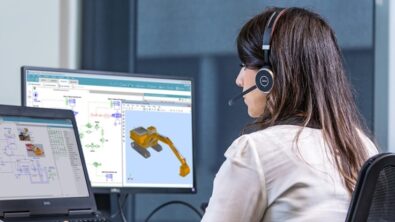
Automated, integrated design tools keep things moving and foster standardization. Whether it’s mechanical design, electrical design or embedded software development, syncing everything streamlines the overall design process, eliminates bottlenecks and helps teams iterate with confidence.
3. Collaboration across every discipline
Designing in isolation is holding you back. Cross-functional teams need to work side by side. Aligned teams don’t just move faster. They make smarter decisions, considering the overall picture and consistently build the kind of machines your customers dream about.
4. Program and process management that keeps you aligned
With a cloud-based platform like Siemens Xcelerator, everyone from program managers to designers can track requirements, deliverables and decisions in real time so you stay on schedule, compliant and rooted in good engineering practices.
How can we reduce design cycle time and deliver excellence across variants?
It starts with integrating your teams, processes and tools.
When teams work in one connected environment, complexity becomes manageable and output becomes exceptional. A connected heavy equipment design process lets you keep everyone focused on core requirements and catch issues early before they snowball.
That’s where Siemens Xcelerator comes in. This cloud-based, scalable engineering design software ecosystem connects professionals, tools and data across the entire product lifecycle. Hosted on Amazon Web Services (AWS), it gives OEMs and suppliers the flexibility, security and performance needed to maintain visibility and control, no matter where your teams are located.
That’s the power of having the right tools in place. We’ve seen companies cut time-to-production from a year to just 3–4 months, reduce processing time by 50% and lower overall costs by up to 20%.

Ready to compete on design excellence?
Heavy equipment design will only get more complex. But your ability to deliver exceptional, high-quality machines will always come down to the same thing: keeping good design practices at the core of your process.
With the right digital tools, you can set a new standard in heavy equipment for key requirements like quality, sustainability and performance.
Explore additional resources below that can help your team turn design excellence into a strategic advantage:
Resource library: Accelerate heavy equipment design