Siemens eXplore tour brings the future of manufacturing to Rhode Island
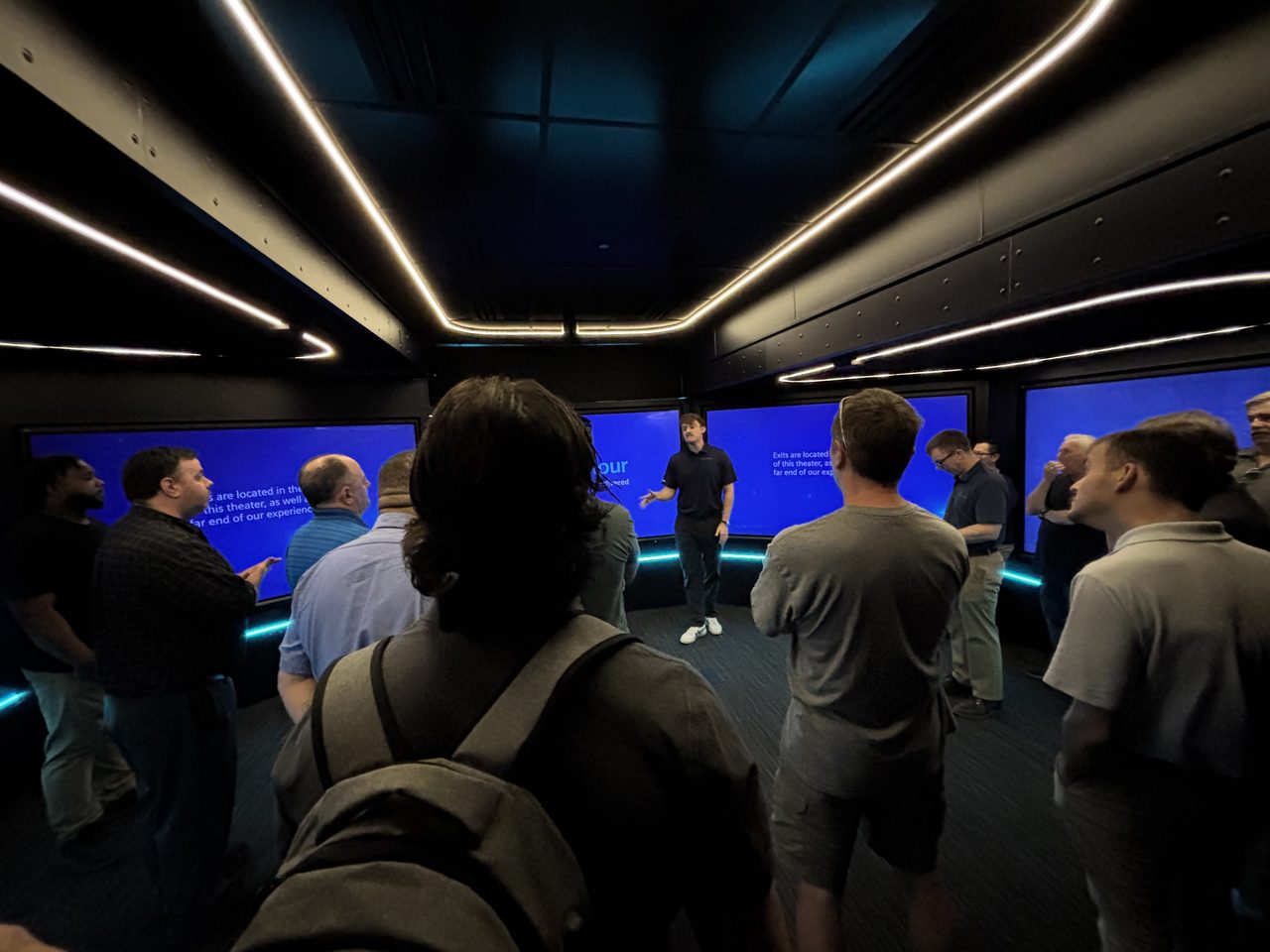
At Walco’s Providence facility, local manufacturers and community leaders saw how digital tools can support design, production and maintenance.
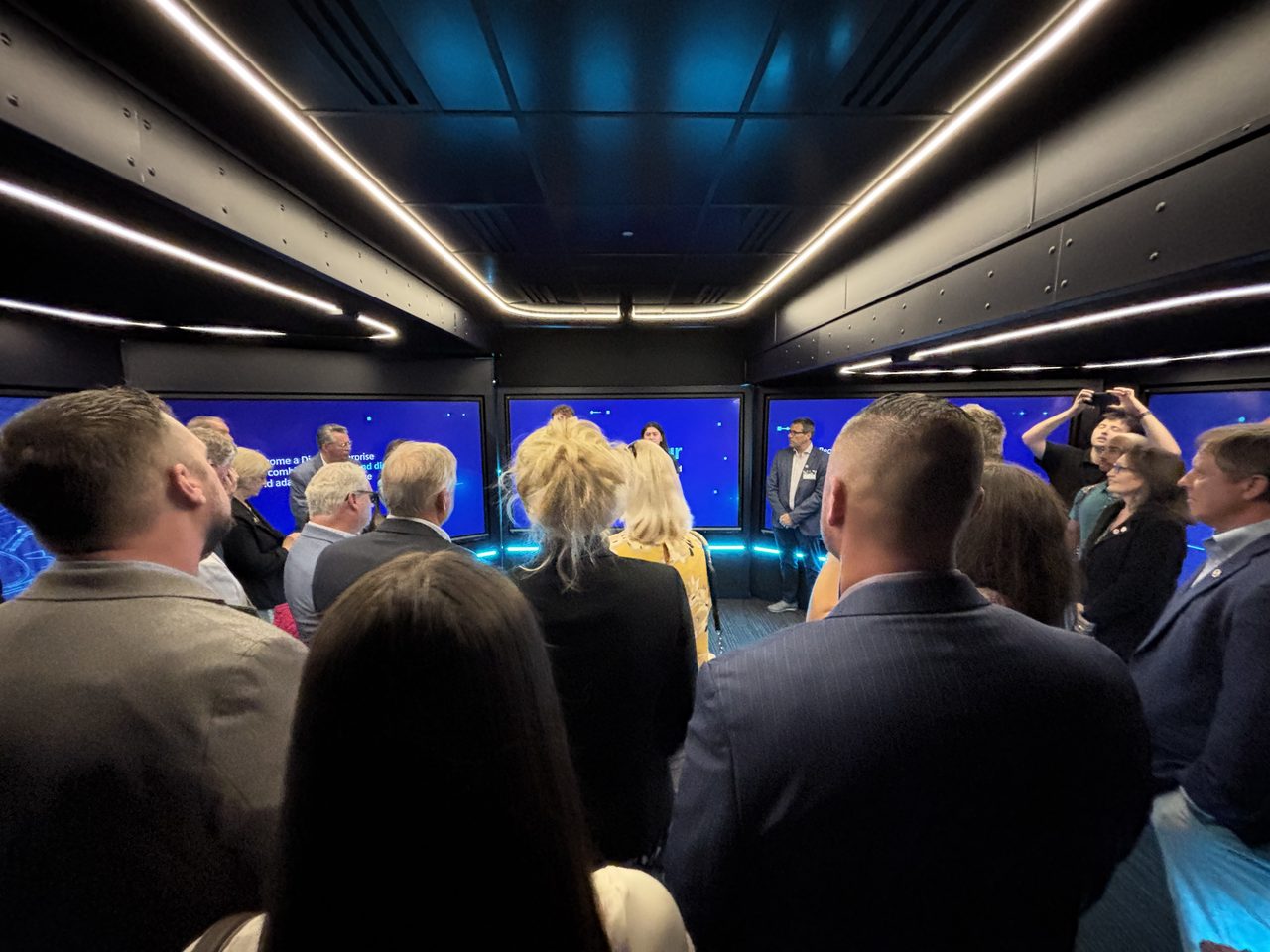
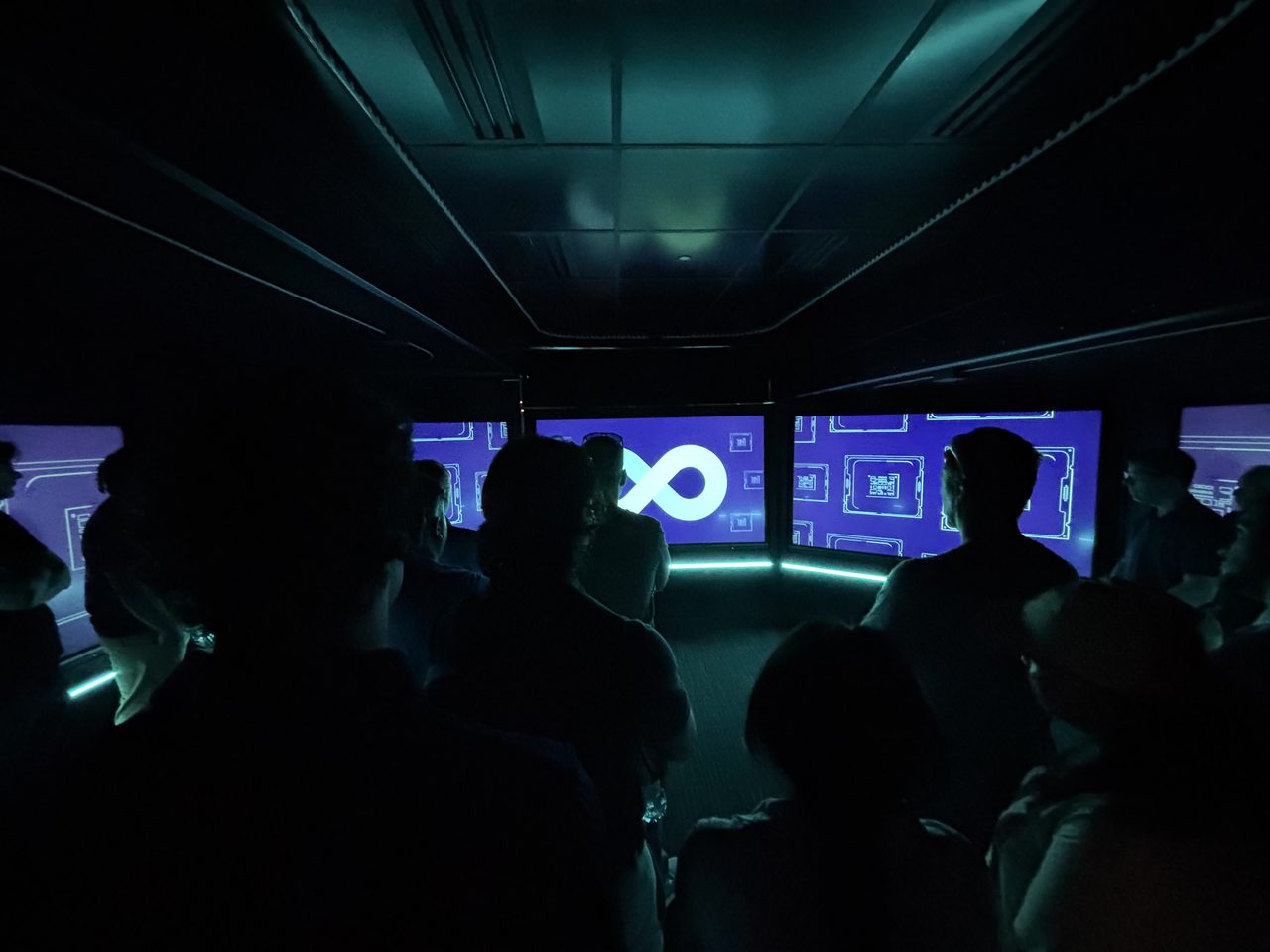
In August, the Siemens eXplore tour pulled into Walco’s Providence facility and opened its doors to manufacturers, business leaders, educators and public officials from across Rhode Island. Inside the truck, visitors followed digital information from product design through production and maintenance. They watched manufacturing scenarios, examined working technology and spoke with Siemens and Walco specialists about production challenges.
For Walco, hosting the truck made sense. The company has operated in Rhode Island for nearly 100 years and is a longtime Siemens Solution Partner. Walco’s work spans automation and control systems, industrial power systems and rail transportation. Its Automation and Controls group has installed more than 1,500 drives and drive systems worldwide, according to the company.
Ellis Waldman, Walco president and CEO, immediately recognized an opportunity for his company when he experienced the eXplore tour at a previous stop.
“The second [Ellis] saw the eXplore truck and went through, he came back and said, ‘We need to bring this to Rhode Island,’” said Anthony Lombardi, sales engineer at Walco. “We knew manufacturing was a growing industry here, and that [the truck] would fit perfectly with the accounts in this area.”
Rhode Island’s manufacturing story keeps moving
Manufacturing across the state has changed many times since Walco began in 1931, making and selling radio antenna kits. Founder Edmund Waldman soon moved into repairing and rebuilding electric motors used by the region’s wire and textile mills.
As the Port of Providence and the surrounding industrial base grew, Walco added work on hoists, cranes, compressors, welders, pumps, motors and generators. It also developed machining, electrical contracting and motor-control capabilities.
And Waldman has watched the state’s industrial base continue to shift. “For many years, up until the late ’60s, textile, wire and cable manufacturing were the dominant industries,” he said. “As those industries left for other regions of the country, others moved in.” Those industries included businesses connected to defense work and newer fields such as unmanned submarines.
Waldman also pointed to engineering talent coming from Brown University, the University of Rhode Island and Worcester Polytechnic Institute. In his view, those schools help give the region a strong base in electrical, electronic and mechanical engineering.
Rhode Island manufacturers now work with different equipment, skills and industries than Walco encountered in its early years. Companies that stayed close to the work adapted along the way.
What modernization looks like on the factory floor
Manufacturers are trying to keep production moving despite workforce gaps, downtime and tighter requirements. Artificial intelligence (AI) and digitalization add another layer. Leaders must decide where those technologies can help while keeping current operations running.
Waldman described modernization in practical terms. “Modernization is about doing it better, about doing it more cost efficiently and effectively,” he said.
He connected modernization with tighter tolerances, more uptime and faster production while keeping experienced people central to the work. That distinction matters in a state where manufacturers need experienced people and younger workers must be prepared for equipment and software that continue to change. A modern plant still depends on people who can spot a problem, understand the process and make a sound decision. Digital systems can give them better information and help them act sooner.
Walco expects this work to become a larger part of its business. Lombardi said the company sees data collection and AI analysis influencing where the industry is headed over the next five to 10 years. He also described Walco’s relationship with Siemens as an opportunity to help manufacturers put those approaches to work across Rhode Island and the rest of New England.
The eXplore truck makes technology tangible
The eXplore tour brings industrial technology to customer sites, industry events, academic institutions and government organizations. The mobile experience shows how Siemens connects physical production with digital systems to help industrial companies respond to changing conditions.
At customer stops, the experience can include an immersive theater presentation, an experience lab with industry scenarios and a virtual reality or augmented reality component. Demonstrations cover subjects that include the digital thread, AI-assisted troubleshooting and predictive maintenance supported by generative AI.
Inside the truck, visitors watched systems respond to manufacturing problems and followed the information behind each response. The demonstrations helped connect broad strategy discussions with familiar concerns such as unexpected deviations, maintenance issues and lost production time.
The setting also gave manufacturers room to raise their own questions while Siemens and Walco specialists connected the demonstrations to specific equipment and production realities.
What Rhode Island manufacturers need next
Waldman wants manufacturers to connect digital systems more closely with physical equipment and use AI to improve production. He also sees a role for schools and public leaders.
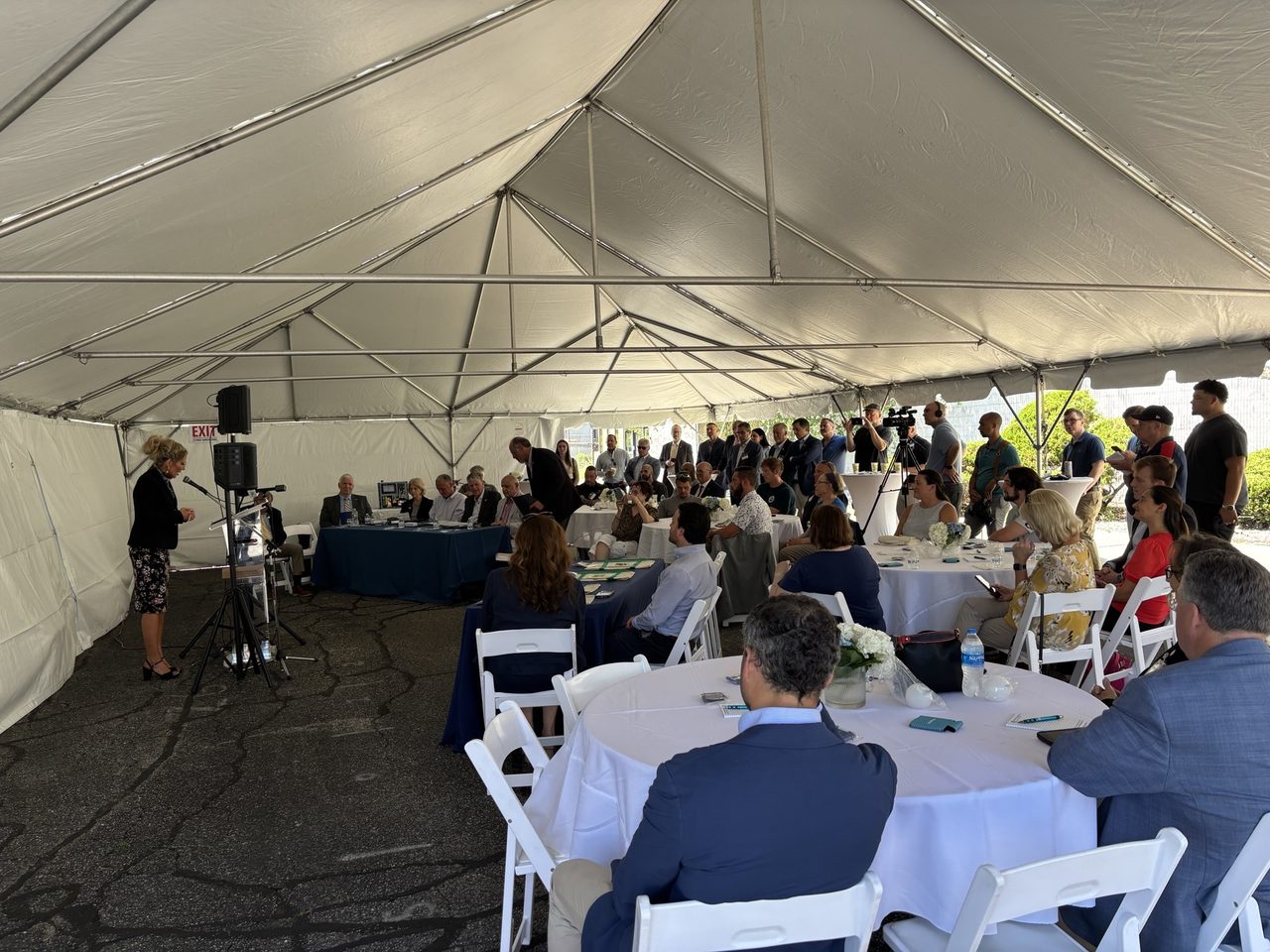
“It isn’t just what the factory looks like to me,” Waldman said. “It’s also what the rest of the environment [looks like], the understanding of state legislators who are here today, the understanding of elected officials who are here today … of what this means and what they have to do, and what they have to support in order to make that happen.”
The Walco stop brought manufacturers, technology specialists, educators and public officials into the same discussion. Their decisions influence workforce preparation and manufacturers’ ability to invest in the region.
“I also hope our universities and schools that train our younger generations will have the skills, understanding and technology to be able to continue the growth and expansion of manufacturing,” Waldman said.
What comes next after the truck leaves
Rhode Island’s industrial economy has never stood still. Textile and wire mills gave way to other forms of production, while mechanical repair grew into automation engineering. Today, manufacturers are determining how data, AI and connected hardware fit into plants built over many years.
For Lombardi, the opportunity ahead is helping manufacturers apply what they saw. For Waldman, the wider picture includes companies improving production, schools preparing people for technical careers and state leaders understanding local industry needs.
The truck has moved on, but the questions raised inside it remain in Rhode Island as manufacturers decide what comes next.
“We see this as a great opportunity to help implement these strategies across Rhode Island and New England,” Lombardi said.