Harnessing simulation technology for circuit breaker innovation
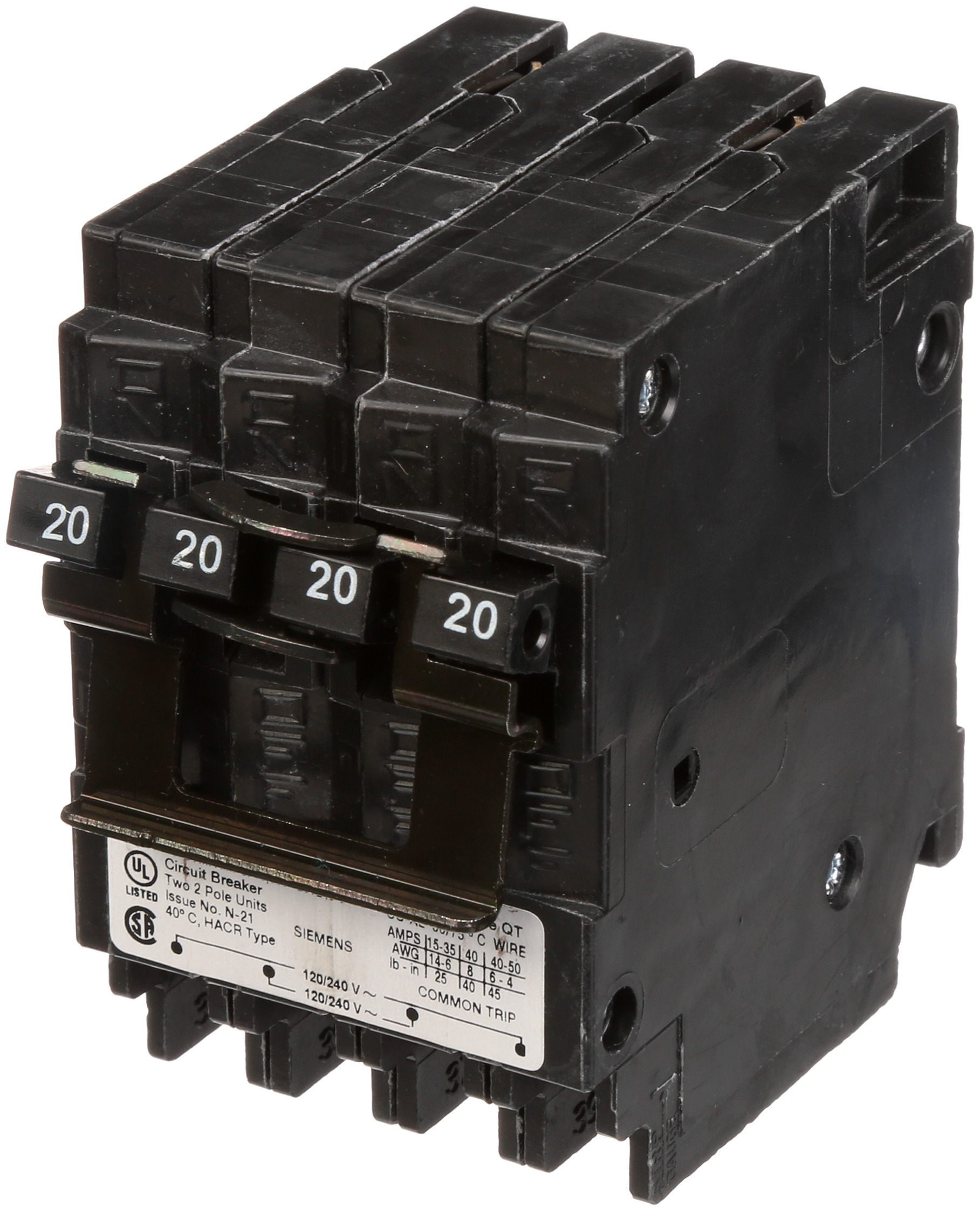
Our simulation technology is revolutionizing circuit breaker design by enhancing efficiency, safety, and performance while reducing costs and time to market.
Understanding circuit breaker simulation
In the ever-evolving landscape of the electricity industry, circuit breaker design presents complex challenges that demand innovative solutions. our simulation technology is at the forefront of this transformation, allowing engineers to predict performance, validate designs, and optimize engineering choices before constructing physical prototypes. As highlighted by Matteo Ghirardi, an application engineer at Siemens, “With Siemens tools, we can predict performance, validate designs and optimize engineering choices before building physical prototypes.” This integration of simulation technology into the development process not only empowers teams to work smarter but also ensures they can meet the demands of performance, reliability, safety, and efficiency in circuit breaker design.
“By the end of this seminar, you will understand how Siemens solutions seamlessly integrate into development process, empowering teams to work faster and smarter.” – Matteo Ghirardi
The critical role of simulation in circuit breaker design extends beyond mere prediction; it encompasses a comprehensive analysis of the device’s core functionalities, from mechanical movements to arc suppression. As the market for circuit breakers is projected to reach around $30 billion by 2030, driven by electrification initiatives and the development of smart cities, the need for reliable and efficient simulation tools becomes increasingly vital.
Insights from the live Q&A session
The live Q&A session offered profound insights into the practical applications and scalability of our simulation solutions. Attendees were keen to understand the hardware requirements necessary to run complex multiphysics analyses efficiently. Matteo clarified that while standard simulations could be conducted on a typical laptop with robust RAM and up to 30 cores, more intricate analyses, such as arc discharge, might require heavy-duty workstations or clusters with tens or hundreds of cores. This scalability ensures that our simulation tools can accommodate both small-scale designs and large industrial systems with high-voltage components.
“For those kinds of simulations we are talking about very heavy duty, let’s say workstation or a cluster with, you know, tens or hundreds of cores.” – Matteo Ghirardi
Furthermore, the session highlighted our commitment to democratizing simulation tools, enabling designers and CAD engineers to perform simulations at earlier stages of development. This integration within the CAD environment ensures that simulations are not only synchronized with design changes but also accessible to engineers, thus bridging the gap between design and analysis departments.
Tips for using our simulation tools
Tip #1: Understanding hardware requirements
For efficient simulation of circuit breakers, especially when dealing with complex multiphysics analysis, it is essential to ensure your hardware meets the necessary requirements. While standard simulations can be run on laptops with adequate RAM and cores, more complex tasks such as arc discharge require powerful workstations or clusters. As Matteo noted, “For the rest, I would say using center and, you know, it’s robust measures and solvers you can as I showed before, you can simply run on your, on your laptop working on, on a CAD system.”
Tip #2: Leveraging scalability for diverse applications
Our simulation tools offer significant scalability, making them applicable to both small-scale circuit breaker designs and large industrial systems. This flexibility ensures that regardless of the scale, engineers can effectively simulate and analyze their designs. Matteo emphasized, “Simcenter allows for parallelization, so let’s say HPC options, so you can either… it really depends on the kind of physics you want to solve.”
Tip #3: Early integration of simulation in design
Incorporating simulation at the early stages of design can significantly enhance the development process. Our CAD-embedded simulation tools empower engineers to perform analyses within a familiar environment, facilitating early insights and seamless integration. Matteo highlighted this by stating, “Simcenter being CAD embedded allows also CAD engineers that are sometimes might be performing simulations in a different environment, with a physics that they might not be familiar with.”
Viewing the future with simulation
Our simulation technology stands as a transformative tool in the design and development of circuit breakers, offering unprecedented integration and efficiency. By addressing both business and technical challenges, these tools enable engineers to accelerate time to market, reduce costs, and meet stringent industry standards. As the circuit breaker market continues to grow, leveraging the power of simulation will be key to staying ahead in this dynamic field.
To further explore our simulation solutions and how they can be applied to your projects, consider watching the recorded webinar or reaching out to industry experts for personalized advice. The journey towards innovative and efficient circuit breaker design is just a simulation away.