Start compliant and stay compliant: the electronics engineer’s guide to risk-free product development


You know the nightmare scenario: Six months into production, a regulatory audit uncovers a compliance gap that should have been caught in early design. Production stops. Inventory becomes worthless. Your launch date evaporates. The team that worked 60-hour weeks to hit deadlines watches their product get pulled from market.
This isn’t theoretical risk—it’s the reality facing electronics manufacturers who treat compliance as a final checkpoint rather than a foundational design principle. With regulations constantly evolving across environmental standards, safety requirements and industry-specific mandates, reactive compliance strategies guarantee eventual failure.
The organizations that thrive understand a fundamental truth: compliance isn’t something you achieve at the end—it’s something you build in from the beginning.
Why traditional compliance approaches fail electronics manufacturers
Most electronics development teams approach compliance like a final exam they haven’t studied for. Requirements get documented in spreadsheets that quickly become outdated. Testing happens after designs are locked, when changes trigger expensive delays. Verification activities scatter across multiple teams using different tools with no central visibility.
This fragmented approach creates systematic blind spots that compound throughout development:
- Requirements drift: Initial compliance specifications evolve as regulations change or customer needs shift, but design teams continue working with outdated requirements buried in email chains or project documents.
- Verification gaps: Testing teams focus on functional performance while compliance requirements get verified separately, often revealing conflicts too late to address efficiently.
- Documentation chaos: Regulatory submissions require comprehensive traceability that’s impossible to compile when design decisions, test results and approval records exist in disconnected systems.
- Change impact blindness: Component substitutions or design modifications that seem minor can have major compliance implications that aren’t discovered until final certification testing.
The cost isn’t just failed audits or delayed launches—it’s the cumulative inefficiency of reactive compliance that slows every development decision and multiplies project risk.
The integrated compliance framework that eliminates surprises
Forward-thinking electronics manufacturers are transforming compliance from reactive bottleneck into proactive advantage by embedding requirements and verification management directly into their development workflows.
- Start with comprehensive requirements capture: Define not just functional specifications but complete compliance obligations from environmental regulations to safety standards to customer-specific requirements. Make these requirements accessible to every team member who makes design decisions.
- Build verification into development cycles: Implement testing and evaluation checkpoints throughout development phases rather than concentrating verification at project end. This approach catches compliance issues when they’re still easy and inexpensive to fix.
- Establish continuous traceability: Connect every design decision to its underlying requirements and link all verification activities to specific compliance obligations. This creates complete audit trails that satisfy regulatory scrutiny while providing development teams with confidence their decisions support compliance goals.
- Enable real-time compliance monitoring: Deploy dashboards that provide instant visibility into compliance status across all active projects, highlighting potential issues before they become problems and enabling proactive risk management.
How Teradyne saved $2 million annually with integrated requirements management
Teradyne, a leading manufacturer of semiconductor test equipment, faced exactly these compliance and development efficiency challenges. Their engineering teams struggled with fragmented requirements management and disconnected verification processes that slowed development and increased compliance risk.
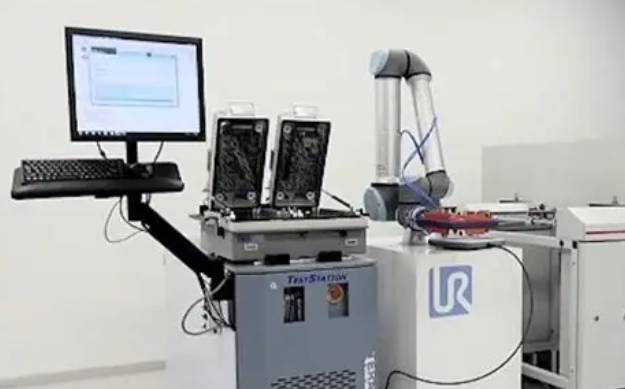
The company implemented integrated requirements and verification management capabilities that connected compliance obligations directly to design decisions and test activities. This transformation delivered measurable results within the first year.
84% cost reduction in engineering processes through improved collaboration and project management efficiency. The integrated approach eliminated time spent hunting for requirements and manually tracking verification status.
$2 million annual savings from reduced compliance-related delays, fewer late-stage design changes and streamlined documentation processes.
Significantly faster change order processing as teams could instantly assess compliance impacts of proposed modifications and accelerate approval cycles.
More accurate data access enabling faster, more confident decision-making throughout development cycles.
“The company started by implementing the functions crucial to addressing its core concerns: requirements management, followed by management of the engineering documentation used to build the product,”
Bill Duggan, Engineering Manager at Teradyne
Your compliance transformation roadmap
Phase 1: Requirements foundation Establish centralized requirements management that captures functional specifications alongside complete compliance obligations. Connect these requirements to design tools so engineers see compliance context for every decision they make. Implement automated notifications when requirements change so teams stay synchronized with evolving standards.
Phase 2: Embedded verification Deploy verification checkpoints throughout development phases rather than concentrating testing at project completion. Create automated workflows that trigger appropriate compliance testing based on design milestones. Establish clear pass/fail criteria that prevent non-compliant designs from advancing to subsequent phases.
Phase 3: Traceability automation Implement systems that automatically link design decisions to underlying requirements and connect verification results to specific compliance obligations. This creates complete audit trails without manual documentation overhead while providing development teams with confidence their work supports compliance goals.
Phase 4: Continuous monitoring Deploy real-time dashboards that provide instant compliance status visibility across all active projects. Establish automated alerts for potential compliance risks before they become problems. Enable predictive analytics that identify compliance trends and prevent future issues.
The competitive advantage of proactive compliance
Organizations that embed compliance into development workflows rather than treating it as final hurdle gain significant competitive advantages across multiple dimensions. Compliance verification that happens continuously throughout development eliminates bottlenecks at project completion and accelerates time-to-market as issues get resolved when they’re easy to fix rather than triggering major delays.
This proactive approach also drives down development costs by preventing expensive late-stage design changes and reducing regulatory submission cycles, allowing teams to focus on innovation rather than compliance firefighting. The integrated requirements management approach ensures customer needs and regulatory obligations both get addressed systematically rather than through competing priorities, resulting in higher product quality that meets market demands while satisfying regulatory scrutiny.
Complete traceability and continuous verification create confidence that products will pass regulatory audits while protecting against compliance-related market recalls, significantly reducing business risk exposure. Additionally, demonstrated compliance capabilities build stronger customer relationships and enable participation in programs with stringent regulatory requirements, opening new market opportunities that competitors with reactive compliance approaches cannot access.
The reality check
Every electronics manufacturer believes their compliance processes are adequate—until they face a regulatory audit, customer rejection or market recall that reveals systematic gaps. The organizations that recognize compliance as competitive advantage rather than necessary overhead are the ones that dominate their markets with reliable, timely product launches.
Your development teams want to focus on innovation. Your customers demand compliant products. Your executives need predictable launches. The only way to achieve all three is by building compliance into your development foundation rather than hoping to add it at the end.
The question isn’t whether your current compliance approach is working—it’s whether it’s working well enough to survive in an environment where regulatory requirements constantly evolve and market windows keep shrinking.
Start compliant. Stay compliant. Win consistently.
Frequently asked questions
What’s the difference between requirements management and compliance management in electronics development? Requirements management captures all product specifications including functional, performance and compliance obligations. Compliance management is a subset focused specifically on regulatory standards, safety requirements and environmental regulations. Integrated systems ensure compliance requirements are treated with the same rigor as functional specifications throughout development.
How do you maintain compliance when regulations change during product development? Integrated requirements management systems provide automated notifications when relevant regulations are updated, enabling teams to assess impact and adjust designs before compliance gaps develop. This proactive approach prevents late-stage surprises that could delay product launches or require expensive redesigns.
What are the biggest compliance risks in electronics manufacturing today? Major risks include environmental regulations like RoHS and REACH, safety standards such as IEC and UL requirements, industry-specific mandates like automotive functional safety and cybersecurity regulations for connected devices. The complexity increases for products sold in multiple markets with different regulatory frameworks.
How do you prove compliance during regulatory audits without integrated systems? Manual compliance documentation requires extensive time to compile scattered evidence from multiple systems, often revealing gaps in traceability that can fail audit requirements. Many organizations discover they cannot adequately demonstrate compliance decisions or verification activities without integrated requirements and verification management.
What’s the ROI timeline for implementing integrated compliance management systems? Most organizations see measurable benefits within 6-12 months through reduced compliance-related delays and more efficient verification processes. Long-term ROI includes avoided costs from regulatory issues, faster market entry and reduced development overhead, with many companies reporting 20-40% improvement in development efficiency.