The invisible advantage: trusted traceability and product intelligence
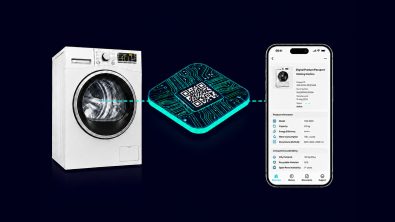
Trust isn’t built on promises—it’s built on proof
Consumers want to know where their products come from, how they’re made, and whether companies stand behind their sustainability claims. Retailers and regulators are demanding the same. If your company can’t provide verifiable proof of sourcing, production, and environmental impact, trust erodes. And once trust is gone, it’s nearly impossible to get back.
Leading consumer products and goods companies are turning traceability into a competitive advantage. Instead of treating it as a compliance burden, they’re using it to strengthen their brand, differentiate from competitors, and build lasting loyalty.
It’s not just about tracking materials—it’s about ensuring every part of your supply chain works smarter, faster, and more efficiently while proving your commitment to responsible production.
Traceability isn’t a cost—it’s a business multiplier
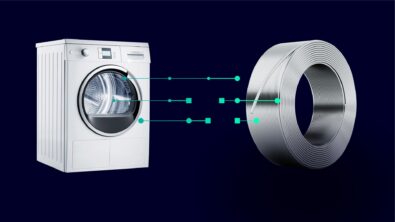
Most companies assume traceability is just about meeting regulations. The real winners understand it’s much bigger than that. The ability to track raw materials, verify sustainability, and provide full visibility from sourcing to finished products is a market differentiator.
Companies using real-time traceability and product intelligence are seeing measurable benefits:
- Fewer disruptions, stronger supply chains – Companies tracking suppliers and inventory in real time detect and prevent supply chain disruptions before they escalate
- Optimized production and efficiency – Manufacturing intelligence connects production and supply chain operations, improving scheduling, reducing downtime, and optimizing utilization
- Sustainability with verifiable data – Traceability enables real-time tracking of emissions, energy use, and responsible sourcing—ensuring that sustainability claims hold up under scrutiny
- Lower operational costs – With real-time monitoring and predictive maintenance, companies cut waste, reduce unnecessary resource use, and optimize production
- Stronger retailer and consumer trust – Brands that prove responsible sourcing and production are securing long-term loyalty and preferred supplier status
Without real-time visibility, businesses are left reacting to disruptions, inefficiencies, and compliance risks. But companies that embrace end-to-end traceability gain a strategic edge—they don’t just meet expectations; they set them.
How Siemens enables trusted traceability
Siemens’ Industrial IoT solutions give manufacturers full visibility into supply chain movements, production conditions, and compliance metrics—all in real time. By integrating blockchain-backed traceability, AI-powered product analytics, and low-code solutions, companies can securely track every material, supplier, and process—ensuring transparency and accountability across the entire supply chain.
- Track suppliers and inventory in real time to detect disruptions before they impact production
- Ensure material and component availability through predictive analytics and proactive inventory management
- Leverage product analytics and AI-powered insights to improve demand forecasting, optimize inventory levels, and make smarter supply chain decisions
- Capture a complete traceability record with IoT and blockchain, verifying ethical sourcing and compliance
- Improve supplier collaboration with a connected, transparent ecosystem that streamlines decision-making and efficiency
For companies that manufacture and move products at scale, trusted traceability is no longer an option—it’s the foundation of a modern, resilient supply chain.
Low-code solutions for traceability-driven efficiency
With Siemens’ low-code application development platform, businesses can build custom traceability solutions without the time and complexity of traditional software development.
- Develop real-time dashboards that integrate supply chain, ERP, MES, and IoT data
- Automate compliance tracking to provide instant verification of sustainability and ethical sourcing
- Create real-time alerts for supply chain disruptions, quality issues, or supplier delays—before they escalate
For IT leaders and supply chain managers, this means less manual work, fewer inefficiencies, and better decision-making powered by real-time data.
From compliance to competitive advantage
Companies that treat traceability as a checkbox exercise will always be one step behind. The ones that treat it as a business growth strategy will lead the industry.
The future belongs to brands that can:
- Prove where their materials come from—because consumers and retailers expect it
- Showcase their sustainability efforts—because transparency builds trust.
- Optimize their operations with real-time intelligence—because efficiency fuels profitability
Leading consumer products companies aren’t waiting for regulations to force change. They’re making trusted traceability a competitive advantage—right now. Is your business ready to take the lead?
Frequently asked questions about trusted traceability
1. How does Siemens’ Industrial IoT solution enable trusted traceability across supply chains?
Siemens’ Industrial IoT solutions enable trusted traceability by providing manufacturers with full visibility into supply chain movements, production conditions, and compliance metrics in real-time. The technology integrates blockchain-backed traceability, AI-powered product analytics, and low-code solutions to securely track every material, supplier, and process. This creates transparency and accountability across the entire supply chain while enabling real-time disruption detection, predictive inventory management, and verified ethical sourcing.
2. How does product intelligence improve manufacturing efficiency?
Product intelligence connects manufacturing and supply chain data in real time. It helps manufacturers:
- Reduce downtime by predicting machine failures and material shortages before they happen
- Optimize production planning by aligning supply availability with demand
- Ensure quality control by tracing materials to their source and verifying compliance
With data-driven insights, manufacturers cut waste, improve efficiency, and adapt to changing demand faster.
3. What traceability capabilities do Siemens solutions provide?
Siemens’ Industrial IoT and low-code solutions give manufacturers full visibility into sourcing, production, and logistics.
Key capabilities include:
End-to-end tracking – Monitor materials from suppliers to finished products
AI-powered supply chain insights – Detect risks and optimize inventory in real time
Compliance automation – Verify regulatory and sustainability requirements instantly
Supplier collaboration tools – Improve transparency across the supply chain
These capabilities help reduce risk, lower costs, and strengthen brand reputation.
4. How does traceability support sustainability goals?
Companies must prove sustainability claims to regulators, retailers, and consumers. Traceability ensures:
- Carbon footprint tracking – Monitor emissions and energy use at every stage
- Ethical sourcing verification – Validate that suppliers meet sustainability standards
- Waste reduction – Identify inefficiencies in production and logistics to cut material waste
By using blockchain-backed traceability records, businesses can provide verifiable proof of their sustainability commitments.
5. What advantages do low-code traceability solutions offer to businesses?
Low-code traceability solutions offer businesses the ability to build custom traceability systems without the time and complexity of traditional software development. With Siemens’ low-code platform, companies can develop real-time dashboards integrating supply chain, ERP, MES, and IoT data; automate compliance tracking for instant verification of sustainability claims; and create real-time alerts for supply chain disruptions before they escalate. This results in less manual work, fewer inefficiencies, and better decision-making powered by real-time data.
6. Why is trusted traceability becoming essential for consumer products companies?
Trusted traceability has become essential because consumers, retailers, and regulators now demand verifiable proof of product sourcing, production methods, and sustainability claims. Without this transparency, trust erodes quickly. Leading companies are transforming traceability from a compliance burden into a competitive advantage that strengthens their brand, differentiates them from competitors, and builds lasting customer loyalty.
7. How can companies transform traceability from a compliance requirement into a competitive advantage?
Companies can transform traceability from a compliance requirement into a competitive advantage by treating it as a business growth strategy rather than a checkbox exercise. Industry leaders are gaining an edge by proving where their materials come from to meet consumer and retailer expectations, showcasing their sustainability efforts with transparent data to build trust, and optimizing operations with real-time intelligence to fuel profitability. This approach positions them ahead of competitors who merely comply with regulations.