From Idea to Impact: The Expedite Design Challenge
Discover how design, AI and the digital thread are redefining digital transformation across industry today. Then show us what you can do!
The Expedite Design Challenge is a global competition for university students who want to turn an idea into a real-world solution.
It brings student teams together to explore meaningful engineering and sustainability challenges, develop practical solutions and present their work in a professional setting.
The challenge is not about arriving with a finished concept or being an expert from day one. It is an opportunity to learn by doing.
Teams identify a problem, explore possible approaches and develop an idea that is innovative, relevant and feasible. Along the way, they build skills that matter far beyond university: problem-solving, teamwork, project planning, digital engineering and professional communication.
Students also gain insight into how products and processes are developed in industry. They experience how different disciplines work together, how ideas are assessed from technical and business perspectives, and how digital tools can help turn a concept into a convincing solution.
The Expedite Design Challenge gives teams the opportunity to:
- Apply their knowledge to a meaningful, real-world problem
- Work with students from different backgrounds and disciplines
- Build technical, teamwork and presentation skills
- Explore industry-relevant digital engineering tools
- Strengthen their future career profile through practical project experience
A strong example is the experience of 210 Robotics.
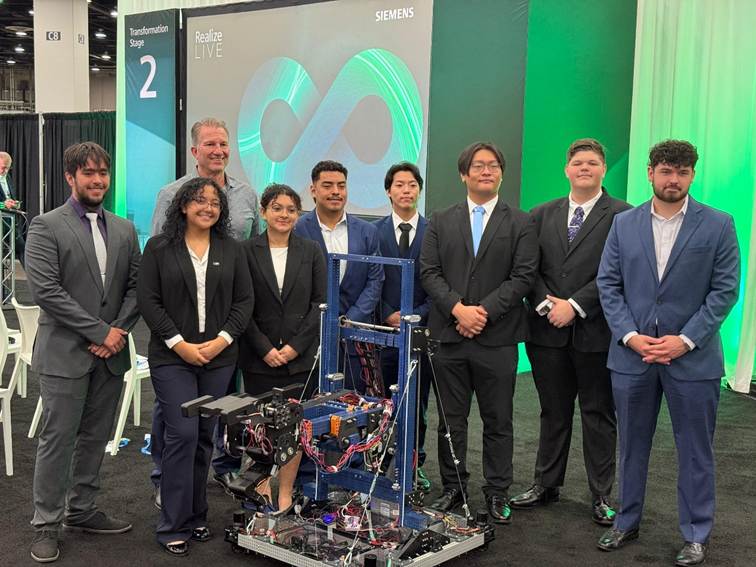
In 2026, Vian and his teammates developed RoboRowdy, a free-roaming autonomous robot designed to reduce idle time in 3D-printing farms. The multidisciplinary student team researched several possible ideas, assessed their potential impact and selected a solution that could contribute to more efficient additive manufacturing.
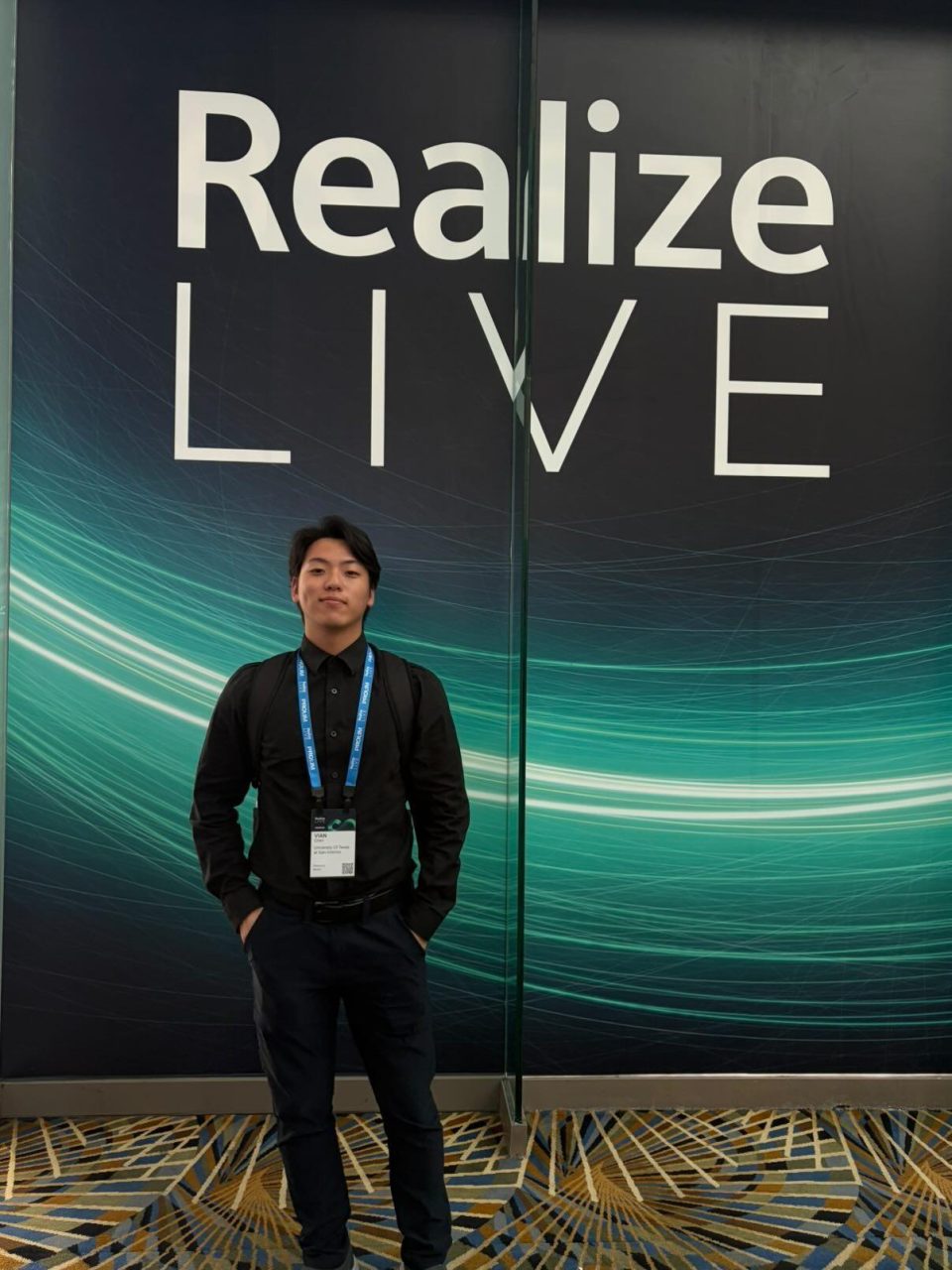
Vian, a computer science student specializing in cybersecurity, supported the programming, building and testing of the robot. Together, the team developed their concept, refined their story and presented their work to the competition judges.
After progressing through the competition rounds, 210 Robotics was named global champion of the 2026 challenge.
Vian, who is now an intern with Siemens Digital Industries Software’s Future Workforce Program, joined the challenge to gain experience working in a team, contribute to a project he could be proud of and understand how engineering projects are created from scratch. Alongside developing robotic programming skills, he gained a practical understanding of product lifecycle management, a workflow he sees as relevant beyond engineering, including software development.
The experience also strengthened skills he still uses today, especially planning and communicating openly within a team. Working with students from different backgrounds gave him new perspectives from areas such as business and medicine, while helping him build confidence in working through uncertainty.
“The challenge taught me that uncertainty is okay and that you need to believe in the work you do, even when it is still taking shape,” Vian says.
Their story shows what the Expedite Design Challenge can make possible. A student team can start with an early idea, develop new skills, work across disciplines and create something with visible relevance and impact.
The next challenge could begin with your team!
Visit the Expedite Design Challenge website to learn about eligibility, deadlines and how to take part.