Engaging with the global engineering education ecosystem and connecting with the digital workforce of the future
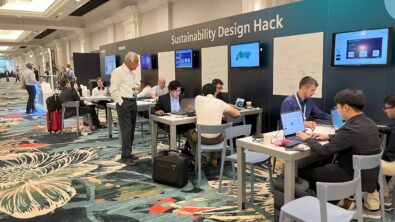
At Siemens, the Global Academic and Future Workforce team is driven by our mission to empower the next generation of talent to develop the digital skill set and digital mindset required to accelerate digital transformation in industry. By showing up in person and online at some of the biggest engineering education events around the world, the team gets a firsthand look at how learners, academia and industry are preparing for the future and how Siemens can further support them.
Siemens is a regular contributor at major conferences including ASEE, SEFI and WEEF, where team members participate in shaping engineering education to meet industrial and societal needs.
We caught up with Shannon O’Donnell, Siemens Academic and Global Future Workforce engagement leader and GEDC executive committee member, to learn more about why engaging the global engineering education ecosystem is so important for Siemens.
Making meaningful connections: Students, faculty and industry
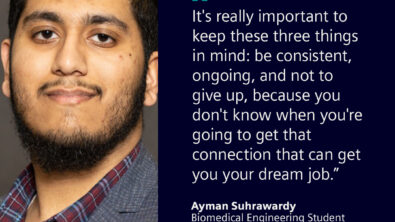
One of the most powerful ways Siemens is engaging the future workforce is through its global Student Ambassador Program.
“We work with students who have used Siemens tools or interned with us,” Shannon shared. “It’s about helping them build a strong global network of peers and of professionals that they can rely on after graduation.”
Faculty engagement is equally hands-on, from guest lectures to collaborative discussions on how academic programs can evolve to meet industry needs. Shannon emphasized that Siemens is actively listening to educators to better understand how their goals are evolving, from integrating emerging technologies into coursework or identifying new opportunities for collaboration. “We want to support faculty as they build innovative, future-ready programs,” she said, “and that means supporting their efforts to stay aligned with the fast-changing demands of the engineering workforce.”
On the industry side, Siemens is conducting focus groups and listening to what employers need from the future workforce. These insights directly influence the team’s direction—especially when it comes to curriculum-aligned offerings.
Why in-person events matter
Digital engagement is essential for global scalability of programs, additionally, Shannon highlights that face-to-face conversations drive the deepest innovation. “In-person events give us the ability to go beyond the presentation,” she said. “They help us better visualize and hear where the gaps are and how we can better support the full ecosystem we support through students, faculty and industry.”
The Immersive Design Challenge—an industry-supported competition using emerging tech—was a direct result of these conversations. “We realized students are drawn to hands-on, immersive experiences with cutting-edge tools. That inspired us to give them access to just that.”
What’s creating excitement?
From students to faculty to industry, one thing is clear: the community is energized by innovation and digital transformation. AI, sustainability and immersive technology are key areas generating buzz.
Shannon points to recent investments as proof of Siemens’ commitment. “In 2025, we’re investing approximately $15 billion in AI capabilities. When I meet with people — whether it’s aerospace companies or research universities — there’s a genuine excitement around partnering with Siemens.”
Programs like the Skills for Sustainability Network are also an application-based draw. “It’s not just about content,” Shannon said. “It’s about building a network—creating spaces where peers can connect and build sustainability into the DNA of engineering education.”
What does Siemens value most from these events?
For Siemens, the most valuable outcomes are the connections and the momentum they create. “Sometimes I feel like a matchmaker — helping a university connect with a resource, or a school find a new tech solution. And when we help someone succeed, we succeed.”
Examples of innovation are already emerging. “One school in Europe is about to place a major order for immersive headsets. They’re planning to build a case study and lead by example. That’s the kind of innovative programming we love to support.” Shannon said.
Where to connect with Siemens in 2025
Whether you’re a student looking for the latest tools, a faculty member rethinking your curriculum, or an industry partner scouting the next wave of engineering talent, connect with the Global Academic and Future Workforce team this year at:
- Realize LIVE | June 30-July 2, Amsterdam | August 5-6, Bengaluru
- International Paris Air Show | June 16-22 Paris, France
- ASEE Annual Conference | June 22-25, Montreal, Canada
- SEFI Annual Conference | September 15-18, Tampere University, Finland
- WEEF & GEDC 2025 | September 21-15, Daegu, Republic of Korea
We also organize and support a range of student competitions around the world including Formula Student. Stay in touch to learn more and get involved in our latest opportunities.
Get involved!
- Stay updated on Siemens workforce transformation: Sign up here.
- Faculty and Industry: Join the Skills for Sustainability Network here
- Students: Access free software, credentials, and valuable resources here
You can also check out Siemens’ Engineering the Future Workforce podcast and the academic offering for the Siemens Xcelerator Academy.